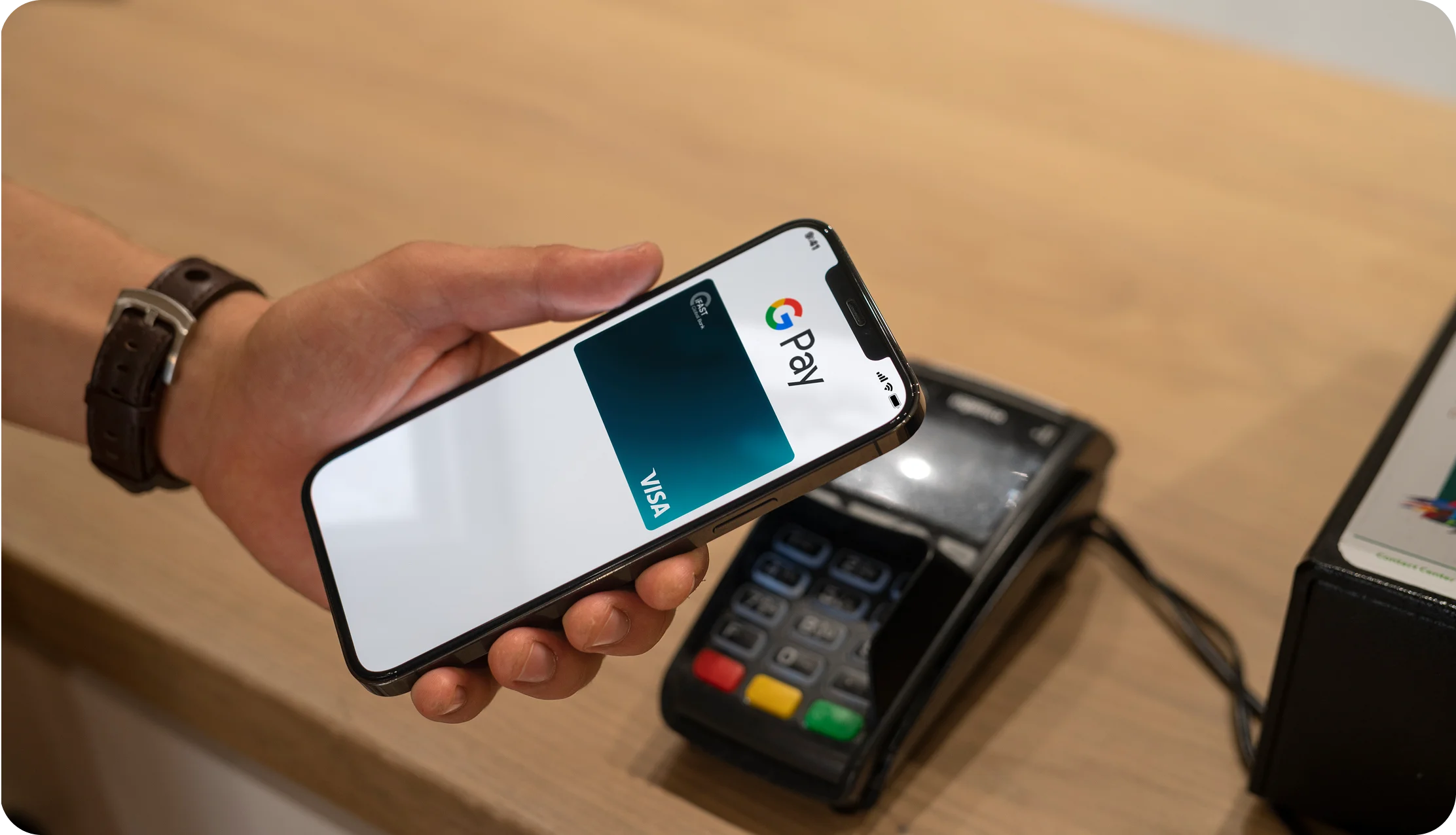
Google Pay is now available to eligible GTBank debit-card customers in Nigeria, while businesses using HabariPay’s Squad gateway can accept it at online checkout. The paired launch gives GTCO a place on both sides of a payment, from the customer selecting a stored card to the merchant receiving the transaction.
GTCO announced the availability on 27 October, the day Google Pay launched in Nigeria. A GTBank customer can add an eligible debit card to Google Wallet through the Android app or a Google Account, then choose Google Pay at a supported online checkout. Squad says Google Pay is enabled by default for its merchants, though a business may switch it off.
For a customer, the main difference is fewer card details to enter on a merchant’s website. Once an eligible GTBank card has been saved, the shopper selects Google Pay, chooses the card and confirms the payment. GTCO says the actual card number is replaced with a digital token, so the merchant does not receive the original card details during checkout. That can make repeat purchases quicker, particularly on a phone where typing a number, expiry date and security code is awkward.
For a Squad merchant, Google Pay appears alongside the gateway’s other payment methods. The company says no new integration is needed because it has switched on the option by default. Merchants already configured for international payments can also accept Google Pay from customers abroad. That is potentially useful for Nigerian businesses selling to the diaspora, though it does not remove ordinary requirements around supported cards, payment approval and merchant account settings.
The distinction between online checkout and paying at a physical terminal matters. GTCO’s announcement describes using a saved card to pay online and does not establish that every GTBank card or every in-store contactless terminal in Nigeria is supported. Customers should check their card eligibility and the payment options shown by a particular merchant rather than assume universal acceptance.
Digital checkout in Nigeria often asks shoppers to choose among cards, bank transfers, USSD and other methods. Each extra step creates another opportunity for a payment to fail or for a buyer to abandon a basket. A stored-card option may reduce that friction, but its value will be measured by successful payments and merchant adoption rather than by the presence of a new button alone.
GTCO’s approach is notable because it connects its bank and payments businesses. GTBank supplies cards to consumers, while HabariPay’s Squad serves merchants. A single group can therefore improve both ends of a transaction. That makes this more than another wallet logo at checkout; it is a test of whether integrated banking and gateway services can make cross-border and domestic online payments simpler.
TechBooky has covered earlier Google Pay integration in Nigerian payments. This new GTCO announcement is specifically about eligible GTBank cards being added to Google Wallet and Squad merchants offering the payment method at checkout. The most useful next evidence will be how reliably the service works for shoppers and whether it reduces failed or abandoned transactions for merchants.
Related Reading
More contextual TechBooky stories selected from tags, categories and article context.
Paul Femi Balo is the founder and publisher of TechBooky. He covers artificial intelligence, African technology, digital infrastructure, enterprise technology and the global digital economy.
We use cookies to ensure that we give you the best experience on our website. If you continue to use this site we will assume that you are happy with it.