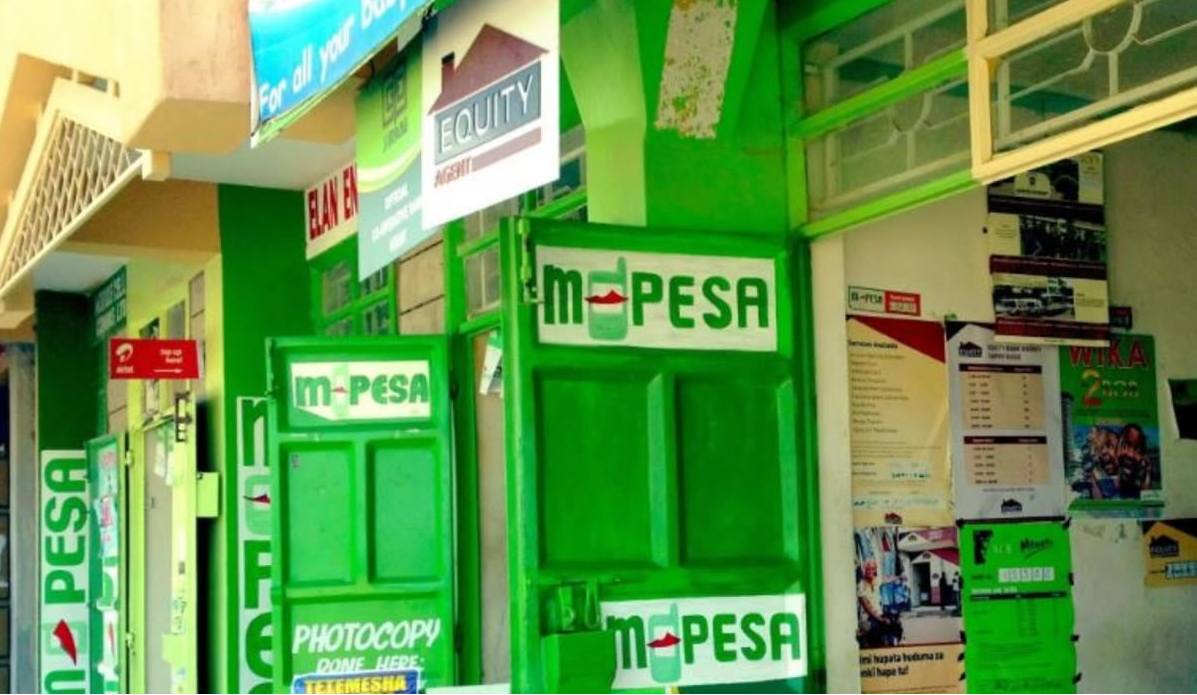
Kenya’s tax authority and Safaricom are discussing a way for M-PESA to generate electronic tax invoices on behalf of small merchants. It is a proposal, not a live feature. If adopted, it could reduce the paperwork that keeps some traders from supplying larger businesses, while giving the Kenya Revenue Authority a clearer record of commercial payments.
The discussions were described by a KRA official to the National Assembly’s Finance and National Planning Committee, according to Kenyan reporting on the briefing. Safaricom has proposed a form of reverse invoicing in which an invoice is created on a merchant’s behalf and transmitted to KRA, potentially at the end of the day. Neither party has announced a start date or published a final design for the arrangement.
A payment confirmation and a compliant tax invoice are different things. A customer can pay a trader through an M-PESA till or paybill today without that transaction automatically producing the electronic invoice a business buyer may need for its records. The proposed link would use the existing payment channel as a route into Kenya’s electronic Tax Invoice Management System, known as eTIMS.
KRA already explains in its eTIMS guidance that businesses generally must issue electronic tax invoices, and that a buyer can issue one on behalf of a small supplier whose annual turnover is no more than five million Kenyan shillings. An M-PESA-based arrangement could make that sort of documentation less manual for qualifying transactions. The details matter, however. It is not yet clear which merchant accounts would be covered, how errors and refunds would be handled, or whether a trader could correct an automatically generated invoice.
There is also an important distinction between invoicing and taxation. Creating a record does not by itself mean that every M-PESA transfer is taxable income, that every merchant owes VAT, or that money received equals profit. Business sales, personal transfers, reversals and refunds would have to be distinguished. Any system that blurs those categories could create work for traders rather than remove it.
The attraction for KRA is clear. Millions of Kenyan traders already use mobile payments, so connecting payment records with eTIMS could improve compliance without asking every small shop to buy separate invoicing software. For merchants, a reliable invoice issued with little extra effort could make it easier to sell to larger customers who require tax documentation.
The same arrangement would also give the authority a more detailed view of merchant activity. Reports on the committee briefing say KRA is examining payment information from tills and Pochi la Biashara accounts to identify income that may not have been declared. Traders therefore need clarity on what data would be shared, who could correct mistakes and how the records would be used. TechBooky recently covered another expansion of M-PESA at the shop counter; this discussion concerns the records behind those transactions rather than a new way for customers to pay.
For now, the prudent headline is that KRA and Safaricom are talking. A launch announcement, technical specification and implementation timetable are still needed before merchants can treat automatic M-PESA tax invoices as an available service.
Related Reading
More contextual TechBooky stories selected from tags, categories and article context.
Paul Femi Balo is the founder and publisher of TechBooky. He covers artificial intelligence, African technology, digital infrastructure, enterprise technology and the global digital economy.
We use cookies to ensure that we give you the best experience on our website. If you continue to use this site we will assume that you are happy with it.