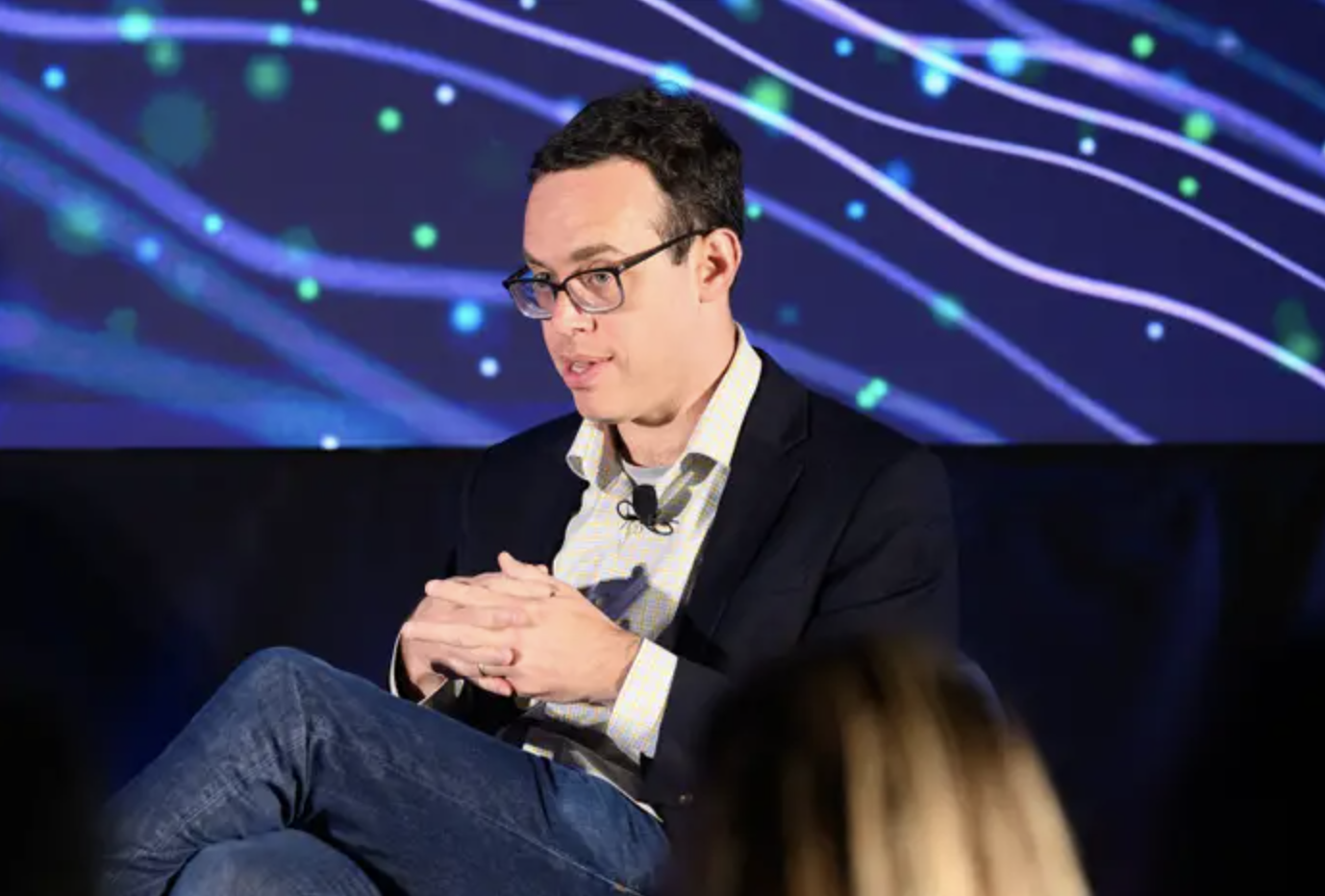
OpenAI has lost a senior figure from its safety work at a moment when the industry is under pressure to show that its safeguards can keep pace with more capable systems. David Robinson, who helped lead the company’s launch safety reports and work around its Preparedness Framework, has resigned and set out his concerns in a first-person essay published by The Atlantic.
Robinson’s account is important precisely because it comes from someone who worked on the mechanisms OpenAI uses to evaluate and communicate risk. He argues that the company’s internal culture made it harder to do that work as he thought it should be done. Those are his assessments, not an independent finding that any particular OpenAI product is unsafe. The distinction should not blunt the news, but it does matter when assessing what his departure proves.
The Preparedness Framework is the company’s approach to tracking potentially severe risks from frontier AI, including capabilities that could make misuse or loss of control more serious. Launch safety reports are supposed to tell the public what testing found and what safeguards accompany a release. Both are useful only if the people preparing them can raise awkward questions and the organization gives those questions weight before a product ships.
A safety process can look rigorous on paper while becoming less effective in practice. Engineers may run evaluations, reviewers may write lengthy reports and executives may still face commercial incentives to release quickly. Robinson’s departure puts attention on that gap between a documented framework and the daily conditions under which it operates.
This is not the first time departures from prominent AI labs have prompted questions about whether safety teams hold enough influence. But each case needs to be treated on its own facts. Robinson’s essay gives readers his account of the culture he experienced; it does not expose every internal decision or settle the broader debate about how OpenAI weighs risk against speed. The Guardian also reported on the resignation and the concerns he raised.
There is a straightforward way for OpenAI and its peers to answer the larger question. They can publish clear evaluation methods, describe thresholds that would delay a launch, explain who has authority to challenge a decision and allow independent researchers to test important claims. No company can disclose every security-sensitive detail, but that should not be an excuse for leaving the public with little beyond reassuring language.
The issue is not whether an AI lab has a safety team; it is whether that team can change the outcome when its findings are inconvenient. TechBooky has previously examined what safety researchers’ exits reveal about lab governance. Robinson’s resignation makes that question immediate again, especially as AI products move into software development, research and other consequential work.
Related Reading
More contextual TechBooky stories selected from tags, categories and article context.
Paul Balo is the founder of TechBooky and a highly skilled wireless communications professional with a strong background in cloud computing, offering extensive experience in designing, implementing, and managing wireless communication systems.
We use cookies to ensure that we give you the best experience on our website. If you continue to use this site we will assume that you are happy with it.