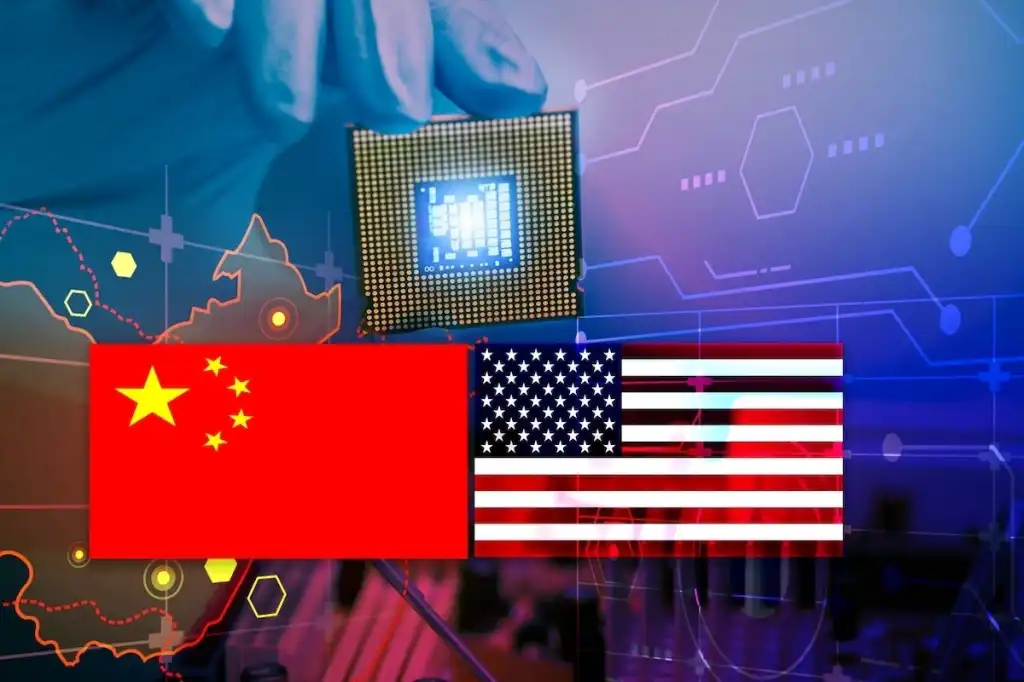
Taiwan Semiconductor Manufacturing Company is tightening access to advanced production for some Chinese chip designers as new US restrictions take effect, according to a Reuters report published on 19 November. The report, citing people familiar with the matter, says TSMC has suspended some previously permitted advanced manufacturing orders and is generally limiting affected customers to older processes. TSMC has not publicly confirmed the full scope of the reported changes.
This is a material change if confirmed because Chinese AI developers depend not only on access to finished processors but also on outside foundries capable of making sophisticated custom chips. Restrictions at the fabrication stage could complicate domestic chip-design plans even when a company has the engineering capacity to design its own accelerator.
A chip designer can specify the circuitry for an AI processor, but it still needs a manufacturing partner to turn the design into silicon at a competitive process node. TSMC occupies a central position in that supply chain. A limit on advanced manufacturing is therefore different from a ban on selling a particular Nvidia product. It reaches further upstream and may affect the alternatives Chinese firms have been developing in response to US controls on American-made AI chips.
Reuters says the latest restrictions follow US Commerce Department rules that took effect on Thursday and narrowed a route through which some Chinese designers could obtain advanced fabrication services without individual export licences. Previously, TSMC could assess technical characteristics of certain designs to decide whether they fell outside existing controls. The new framework reportedly reduces that flexibility. The precise impact will depend on the text of the rule, the identity of customers and any licences granted.
It would be premature to say that TSMC has stopped making every chip for Chinese customers. The report concerns some advanced orders and affected designers, not a blanket halt to all China-related production. It is also too early to quantify the revenue effect for TSMC or the delay for any specific Chinese AI programme. Neither the company nor US officials have supplied a customer-by-customer list in the material reviewed for this report.
Washington has been trying to limit China’s access to the most capable AI computing hardware and, increasingly, to prevent restrictions being bypassed through manufacturing or remote computing arrangements. For Chinese developers, the response has included greater investment in domestic chip design, local fabrication and software efficiency. None of those routes makes an immediate substitute for every advanced overseas manufacturing capability.
The new report also underlines the difference between a chip order and a deliverable product. TechBooky has previously examined the reported backlog in Chinese Nvidia chip deliveries. Even large purchase plans can run up against regulatory approvals, factory capacity and supply-chain bottlenecks. Restrictions on custom fabrication add another variable to that planning problem.
The next facts to watch are a direct TSMC statement, published regulatory guidance and any confirmed effect on named customers. Until then, the strongest formulation is that Reuters reports a tightening of some China-related advanced chip orders as US rules come into force. The broader significance is clear even while the operational details remain incomplete. Control over who can manufacture leading-edge AI silicon is becoming as consequential as control over who can buy it.
Related Reading
More contextual TechBooky stories selected from tags, categories and article context.
Paul Femi Balo is the founder and publisher of TechBooky. He covers artificial intelligence, African technology, digital infrastructure, enterprise technology and the global digital economy.
We use cookies to ensure that we give you the best experience on our website. If you continue to use this site we will assume that you are happy with it.