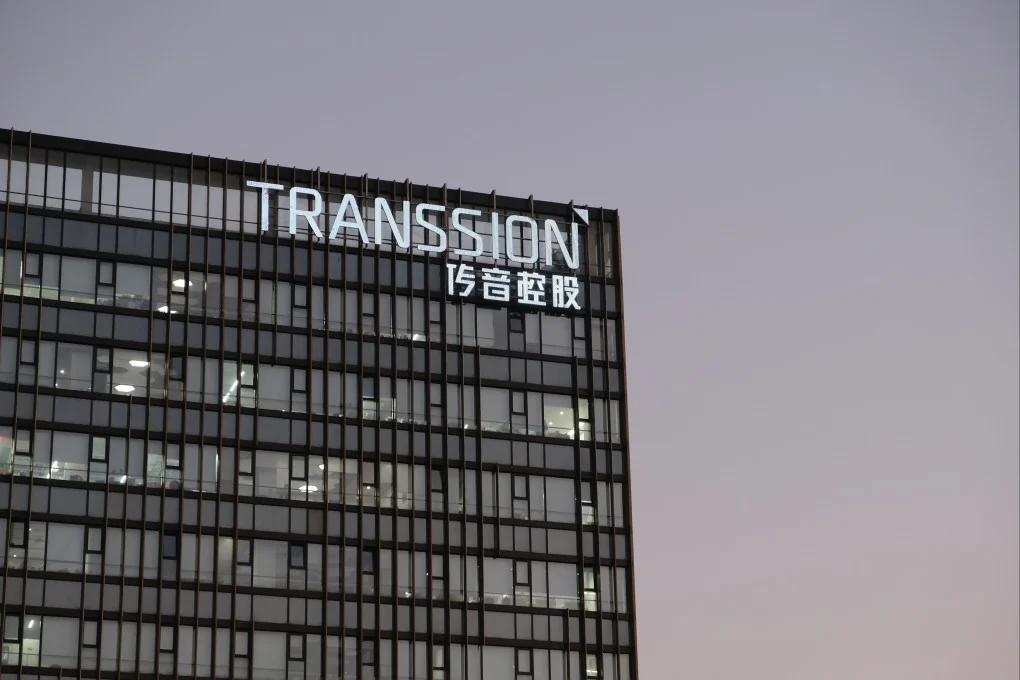
Transsion, the company behind Tecno, Infinix and itel, has raised about $390 million in its Hong Kong share sale. The final figure gives investors and the millions of African customers familiar with its phones a clearer answer than the $428 million maximum discussed when the offer opened.
The Shenzhen-based company sold about 86.6 million shares at HK$35.30 each, bringing in roughly HK$3.1 billion, according to Bloomberg’s account of the exchange filing. The offer had been marketed at up to HK$38.80 per share. The final price is at the bottom of that advertised range, not the top. Trading in the Hong Kong shares is expected to begin on October 15; the listing has not yet started.
TechBooky covered the opening of the sale last week. This is the pricing result, and it matters because the gap between a proposed fundraising ceiling and the amount actually raised says more about how investors valued the deal. At HK$35.30, the company secured substantial new capital, but not the full amount implied by its upper offer price.
Transsion built a leading position by making affordable phones for markets that larger rivals often approached from the premium end. Its brands are deeply embedded in retail and distribution networks across Nigeria and other African countries. The company has been credited with roughly 53% of Africa’s mobile-phone market by units sold, although that figure should not be confused with a majority of smartphone revenue or profit.
The proceeds could help Transsion defend that position as competition and component costs rise. Plans described around the offering include work on AI-related technology, such as assistants and agents, alongside marketing, mobile internet services and connected products. That does not mean Tecno or Infinix buyers will immediately see a new AI feature or a cheaper handset. Whether the money changes the products people use will depend on execution after the listing.
There is a harder financial backdrop, too. As our earlier report noted, Transsion entered the share sale after a sharp decline in profit, even as it retained its enormous African reach. Rising memory costs add pressure for a company whose appeal is closely tied to price. It needs room to invest without making its mass-market phones less competitive.
A Hong Kong listing also gives Transsion a second public-market venue alongside Shanghai. The offer’s final price settles one question, but the next one arrives when the shares begin trading. Investors will then show whether they value Transsion mainly as Africa’s handset leader, as a potential AI-device platform, or as a hardware business facing a tougher margin environment.
Related Reading
More contextual TechBooky stories selected from tags, categories and article context.
Paul Balo is the founder of TechBooky and a highly skilled wireless communications professional with a strong background in cloud computing, offering extensive experience in designing, implementing, and managing wireless communication systems.
We use cookies to ensure that we give you the best experience on our website. If you continue to use this site we will assume that you are happy with it.