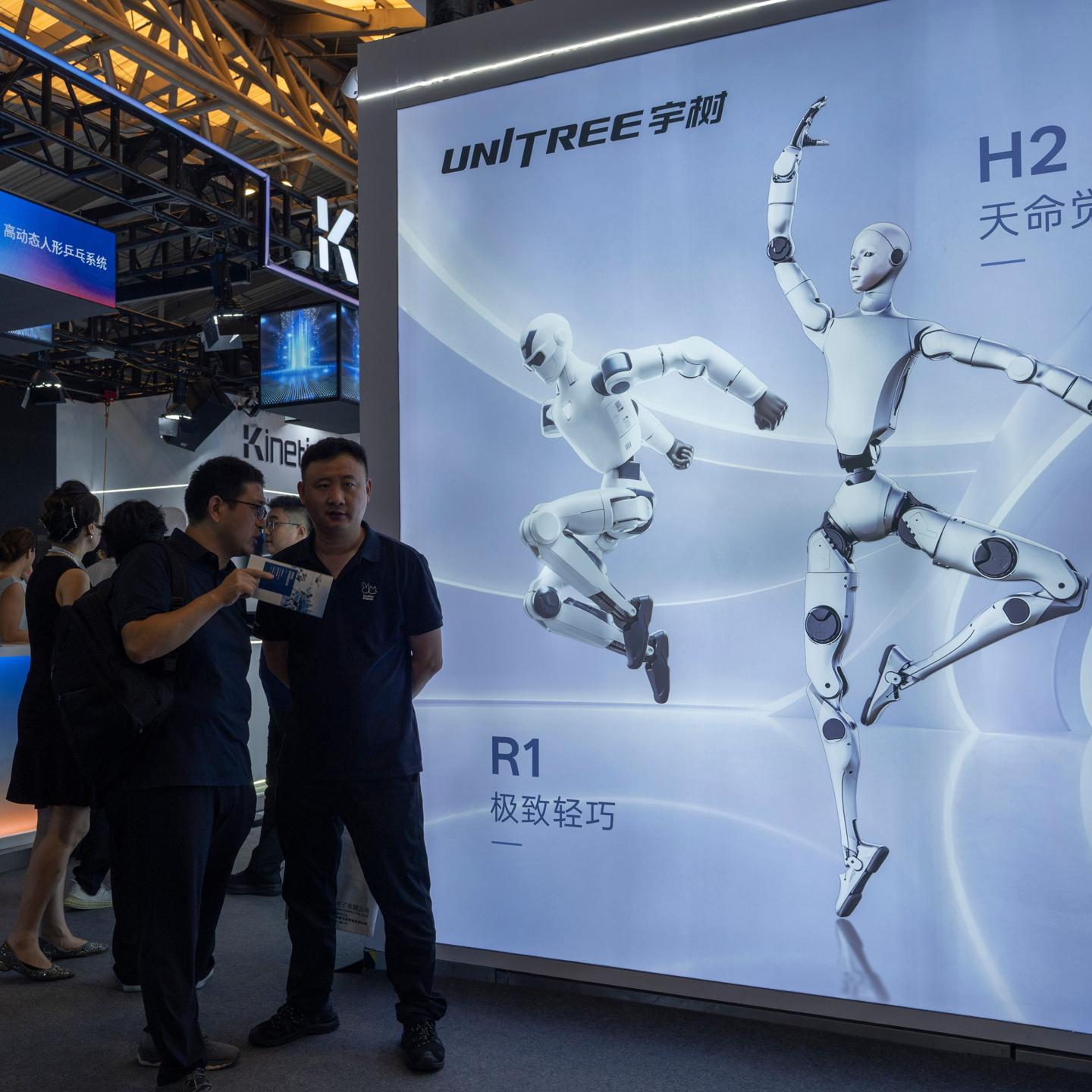
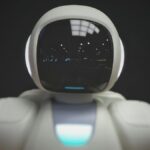
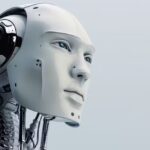
China’s humanoid robotics race just moved from the exhibition floor to the stock market, and Unitree is the company drawing the attention.
AP reported that shares in Unitree surged as much as 629 percent in their Shanghai trading debut before closing 460 percent higher. The company raised about 6.1 billion yuan, roughly $904 million, through the listing.
Unitree is best known globally for humanoid and quadruped robots that can run, dance, fight, backflip and perform the kind of demos that spread quickly online. Those demonstrations matter for attention, but the IPO is about something larger: whether investors believe China can turn robotics spectacle into a real industry.
The timing is useful for Beijing. The World Robot Conference in China has been showing the breadth of the country’s robotics ambitions, from robot dogs to humanoid helpers and industrial systems. Unitree’s listing gives that ambition a public-market signal at a time when China wants leadership in both AI software and physical AI.
Robotics sits at the intersection of several strategic technologies: sensors, chips, batteries, manufacturing, mobility, AI models and control systems. A country that can scale humanoid robots is not just building consumer gadgets. It is building a platform that could eventually touch logistics, factories, elder care, security, retail and dangerous industrial work.
That is why the market reaction matters even if the technology is still early. Many humanoid robots remain better at demonstrations than everyday labor. Folding clothes, handling messy warehouses, working safely around people and understanding open environments are still difficult. The real world is less predictable than a launch-stage routine.
Still, Unitree has something many AI startups do not: hardware that people can see. In an AI market dominated by chatbots, benchmarks and model releases, robots give investors a physical symbol of progress. That may partly explain why the stock debut became such a strong market event.
The China-US angle is unavoidable. Washington has been tightening scrutiny of Chinese technology, while China continues to build domestic alternatives across chips, models and robotics. We have argued before that China may win the AI race if the US does not adapt. Robotics gives China another path to turn AI capability into industrial advantage.
For Africa and other emerging markets, the bigger question is when these systems become affordable and useful enough to matter outside rich factories and government-backed pilots. Cheaper Chinese hardware could eventually make robotics more accessible, but it could also create dependency on imported platforms if local companies do not build services and software around them.
Unitree’s debut does not prove humanoid robots are ready for mass adoption. It does prove that investors are willing to back the idea aggressively. The next test is whether the company can turn attention, capital and national momentum into robots that do useful work at scale.
Related Reading
More contextual TechBooky stories selected from tags, categories and article context.
Paul Balo is the founder of TechBooky and a highly skilled wireless communications professional with a strong background in cloud computing, offering extensive experience in designing, implementing, and managing wireless communication systems.
We use cookies to ensure that we give you the best experience on our website. If you continue to use this site we will assume that you are happy with it.