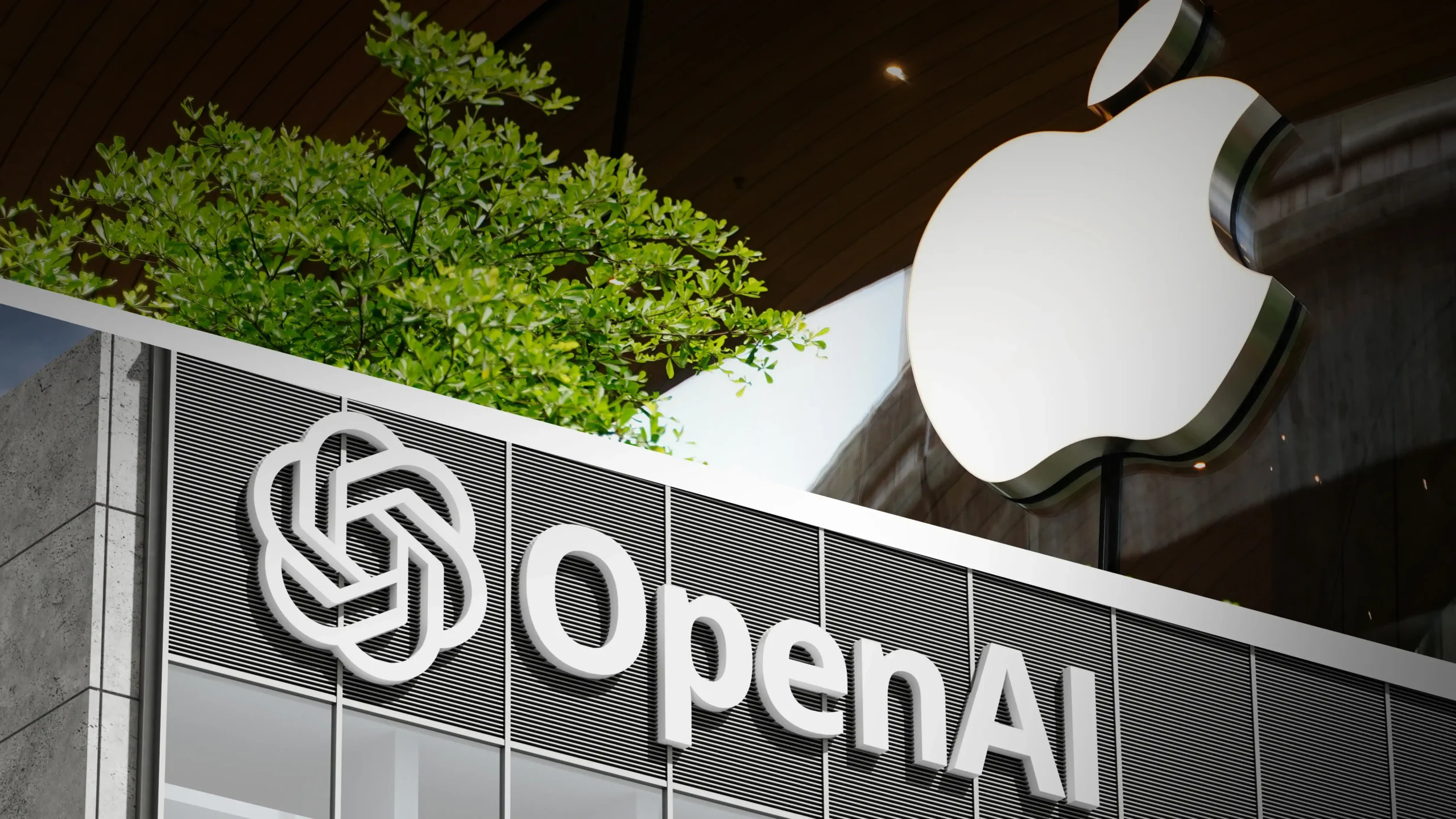
Apple and OpenAI are no longer only arguing over what happened before a lawsuit was filed. Apple is now trying to slow OpenAI in court while asking for faster access to evidence, a sign that the AI hardware fight between the two companies is becoming more serious.
A new filing covered by TechCrunch says Apple is seeking expedited discovery from OpenAI, io, the OpenAI Foundation and two former Apple employees named in the case: Chang Liu and Tang Yew Tan. Apple is also pursuing a preliminary injunction that could restrict OpenAI from moving forward with products Apple believes may rely on its trade secrets.
The latest filing reportedly goes beyond the two central former Apple employees. Apple says its continuing investigation has identified other former employees who may have been witnesses or involved in events connected to the case. The company also claims that some former Apple employees now at OpenAI reached out after the lawsuit about returning Apple-issued devices they had kept.
This does not prove Apple case. It does show that Apple wants the court to treat the matter as urgent. In trade-secret cases, speed can matter because a company may argue that once confidential product information is used in a rival product, the damage cannot easily be undone with money later.
The dispute sits inside a larger shift in Silicon Valley. OpenAI is trying to move beyond software into consumer AI hardware, helped by its acquisition of Jony Ive connected design studio io. Apple, meanwhile, is trying to protect the device layer that has defined its business for nearly two decades. We have already looked at how the lawsuit turned the AI hardware race into a legal fight and how OpenAI publicly pushed back with emails and iMessages.
OpenAI says Apple is wrong. In its public response, the company said it does not have or want Apple trade secrets, argued that Apple had misrepresented parts of the timeline and blamed some access issues on Apple own offboarding controls. OpenAI has also tried to make the dispute look less like a theft case and more like a nervous incumbent trying to slow a new device rival.
That public framing is useful for OpenAI, but the courtroom question is narrower. The court will care about what information was accessed, whether it was confidential, whether OpenAI or io received or used it, and whether Apple can show a real risk of misuse. Public blog posts may shape the narrative, but documents, devices, messages and depositions will shape the case.
The case is awkward because Apple and OpenAI were partners not long ago. Apple brought ChatGPT into its software ecosystem, while OpenAI benefited from distribution through Apple devices. But AI changes the relationship. If the assistant becomes the interface, and if OpenAI builds its own hardware, then the two companies are no longer just cooperating. They are circling the same future.
That is why the injunction request matters. Apple is not merely asking for damages after the fact. It wants the court to intervene before OpenAI hardware work moves too far. Whether the judge agrees will depend on how persuasive Apple evidence looks at this early stage.
For users, this may feel distant for now. There is no OpenAI consumer device in their hands yet. But the fight matters because it is about who gets to build the next mainstream AI interface. Apple wants that future to remain inside its carefully controlled ecosystem. OpenAI wants to prove that an AI-first device can exist outside it. The court battle is now part of that product race.
Related Reading
More contextual TechBooky stories selected from tags, categories and article context.
Paul Balo is the founder of TechBooky and a highly skilled wireless communications professional with a strong background in cloud computing, offering extensive experience in designing, implementing, and managing wireless communication systems.
We use cookies to ensure that we give you the best experience on our website. If you continue to use this site we will assume that you are happy with it.