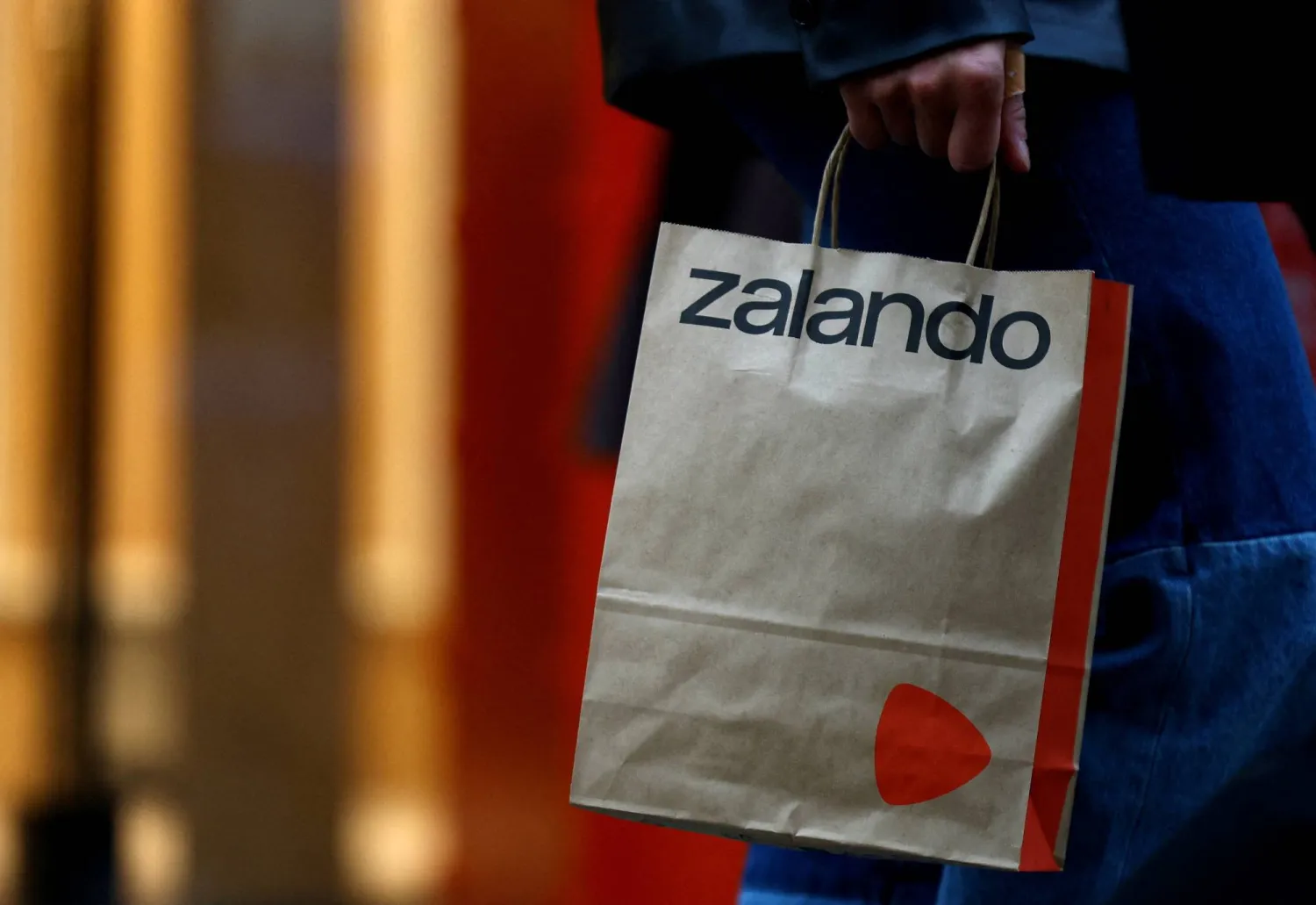
Zalando is moving closer to a shopping model in which an AI assistant can discover products beyond the retailer’s own catalogue. The company announced Zalando Extended on 3 November, saying it will show products from partner shops that Zalando does not itself sell. Westwing is the pilot partner. The more ambitious step, an agent-assisted checkout, is planned from 2027 rather than available to shoppers today.
That timing is important. Zalando has described a direction for its commerce platform, not a completed replacement for the online store. A customer using an AI assistant might eventually compare products across shops and complete an order with fewer handoffs, but the company has not yet demonstrated that this works at scale.
Zalando Extended would let the retailer surface merchandise held by other shops. For shoppers, the appeal is a broader selection in one discovery journey. For partner merchants, it could offer distribution without requiring them to become ordinary Zalando marketplace sellers. The crucial commercial questions are who controls the customer relationship, payment, returns and the data generated by a recommendation. Zalando has not disclosed every term of the proposed model.
Westwing, a home and living retailer, gives the pilot a category that can sit alongside Zalando’s existing fashion and lifestyle business. AI-based discovery may help a shopper articulate a need in natural language, but recommendations must still be accurate about price, stock and delivery. A polished answer that sends someone to an unavailable item is not a useful shopping service.
The announcement lands amid a broader race to put checkout closer to AI-led discovery. TechBooky has covered TikTok’s experiments with a shopping assistant and faster checkout, while Google’s Flipkart test in India takes another approach. These products differ in who owns the transaction and where a buyer confirms it.
Zalando’s latest results explain why it is interested. In the third quarter, gross merchandise volume rose 7.5% to EUR 4.5 billion and revenue increased 5.1% to EUR 3.2 billion. Adjusted operating profit climbed 10.6% to EUR 107 million, while its business-to-business revenue grew almost 28% to EUR 354 million, according to the company. Expanding the platform without carrying every product itself could deepen that B2B relationship.
The test for Zalando Extended will not be whether an assistant can produce a persuasive product description. It will be whether shoppers trust the ranking, merchants see worthwhile sales, and the promised 2027 checkout turns a conversation into a reliable order.
Related Reading
More contextual TechBooky stories selected from tags, categories and article context.
Paul Femi Balo is the founder and publisher of TechBooky. He covers artificial intelligence, African technology, digital infrastructure, enterprise technology and the global digital economy.
We use cookies to ensure that we give you the best experience on our website. If you continue to use this site we will assume that you are happy with it.