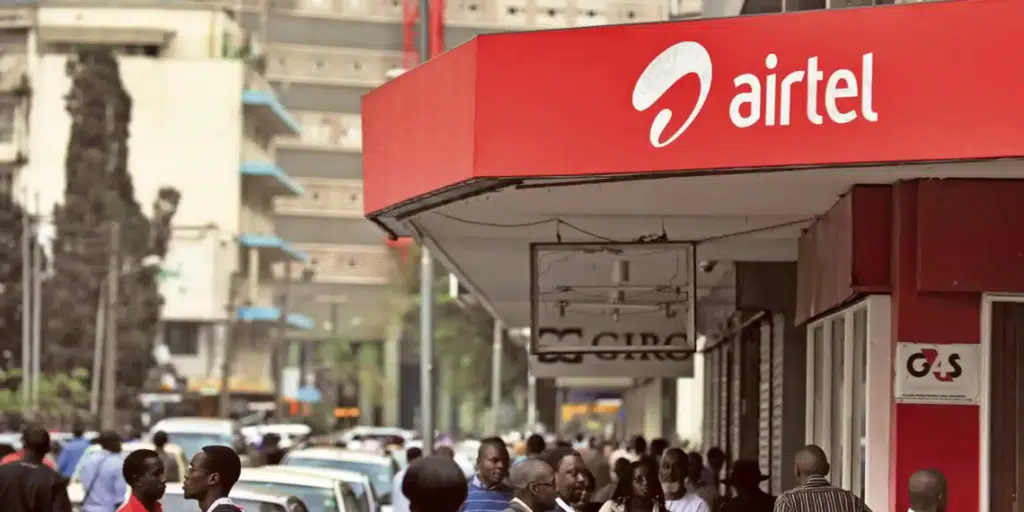
Airtel Nigeria has launched a tool designed to show subscribers more about the network around them and give them a direct route to report poor service. Called Open Network, it sits in the MyAirtel app. For anyone who has wondered whether a weak signal is a local fault, a coverage gap or part of an upgrade, the idea is straightforward. Make some of the information held by the operator visible to the people paying for the connection.
This is not a launch that happened today. Airtel unveiled the initiative in Lagos on Friday, 30 October 2026, according to the Nigerian State House’s account of the event. The Nigerian Communications Commission’s executive vice-chairman, Aminu Maida, attended. The official description says customers can see network developments in their areas and report service difficulties directly.
Reports on the rollout describe coverage and signal information, site status and planned or ongoing upgrades in the MyAirtel app. The tool also lets a customer flag a service problem. A practical guide from TechCity places Open Network under Quick Actions and advises users to update MyAirtel if the option is not visible. Availability may vary during rollout, so an absent button does not by itself show that the service has been withdrawn.
The strongest use case is a location-specific complaint. A subscriber who sees a weak connection at home or at work can compare what the app says about that area with their actual experience, then submit a report through the same interface. That is more useful than a national coverage claim, which may say little about the street, building or hour when a connection fails.
The distinction between coverage and service quality matters. A coverage map can show that a network should be available, but it cannot by itself prove dependable indoor reception, low latency or adequate capacity at a busy time. Congestion, power problems, backhaul limitations and the device being used can all affect the result. TechBooky recently examined why Airtel’s network spending needs to be judged by the service customers actually receive.
The information in Open Network comes from the operator. That makes it valuable as a window into Airtel’s plans, but it should not be mistaken for an independent audit of every connection. Nor does filing a complaint guarantee a repair by a particular date. Subscribers should keep a record of where and when the problem occurs, what service was affected and any response they receive. Repeated problems are easier to investigate when reports are specific.
Nigeria’s wider debate about network quality is increasingly about measurable experience rather than headline coverage. As TechBooky has explained, a download speed figure alone does not capture latency and consistency. Airtel’s new tool could help narrow the gap between what a network promises and what a customer encounters, provided its information remains current and complaints lead to visible action.
The real test will be whether people can use Open Network to identify a problem, report it without friction and see improvement afterwards. Transparency is a good start. A reliable connection is the result customers will judge.
Related Reading
More contextual TechBooky stories selected from tags, categories and article context.
Paul Femi Balo is the founder and publisher of TechBooky. He covers artificial intelligence, African technology, digital infrastructure, enterprise technology and the global digital economy.
We use cookies to ensure that we give you the best experience on our website. If you continue to use this site we will assume that you are happy with it.