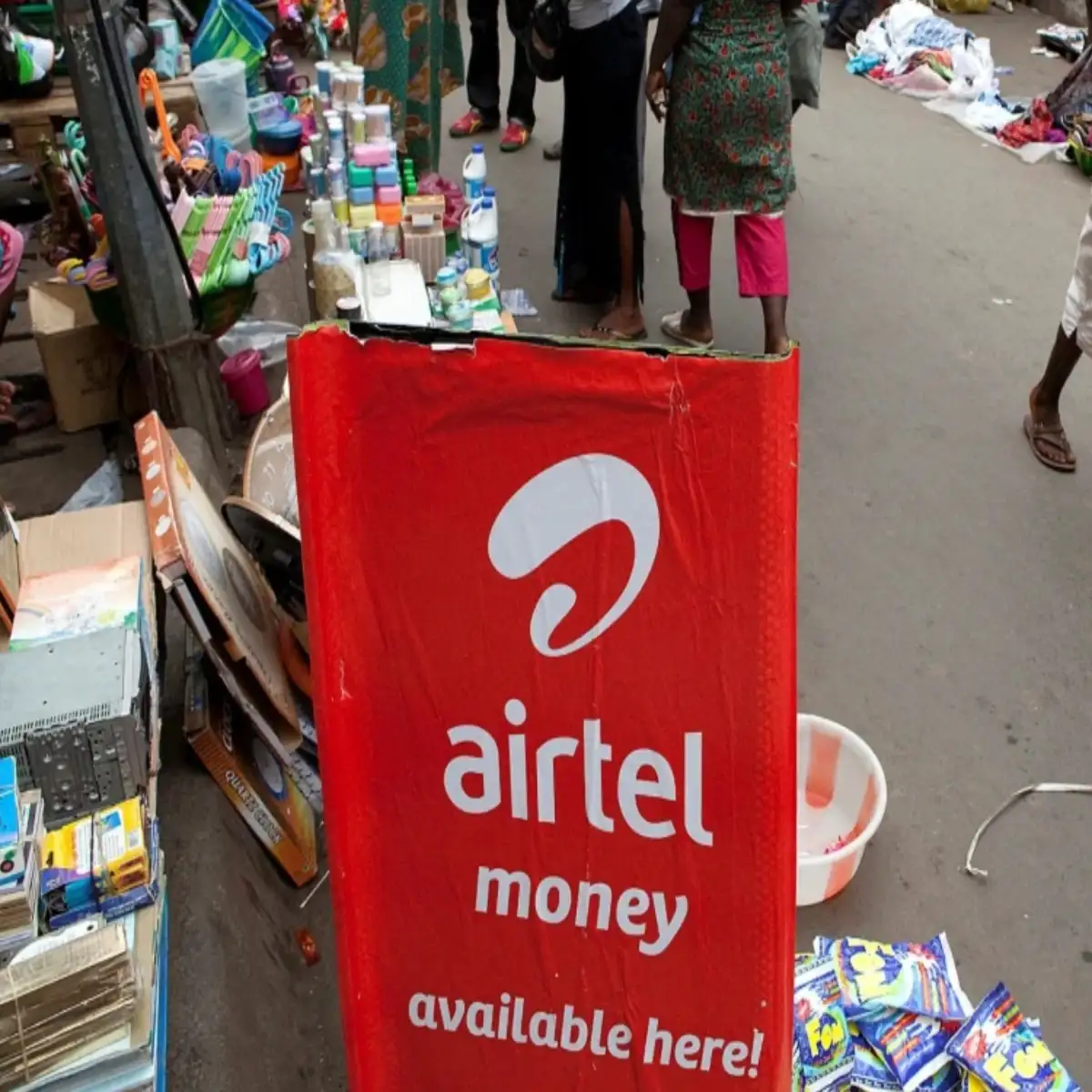
Airtel Money has crossed the final line in its London listing. Shares in Airtel Mobile Commerce N.V., the company behind the payments business, began unconditional trading on the London Stock Exchange main market at 8 a.m. London time on Wednesday, October 14, under the ticker AMC. The formal admission follows several days of conditional dealing and turns a closely watched African fintech flotation into an actively traded public company.
In a regulatory announcement, the company said 2.7 billion ordinary shares had been admitted to the Financial Conduct Authority official list and to trading on the exchange. That is the number of shares admitted, not the number newly sold to investors. The distinction matters when reading the size of the offer and the valuation attached to it.
Unconditional trading means the listing process has moved beyond the restricted period in which only certain investors could deal in the shares. Investors can now assess Airtel Money as a separately listed business, with its own market price, public disclosures and pressure to explain growth, profitability and regulation across its operating markets. It does not mean the underlying mobile-money services or their ownership have changed overnight for customers.
Airtel Money had already set its final offer price at GBP 1.96 per share. At that price, the 2.7 billion shares admitted imply an equity value of roughly GBP 5.3 billion, though the market price can move after trading begins. The company is entering public markets at a time when investors are searching for durable payments growth in Africa but have also become more demanding about margins, compliance and the cost of expansion.
The listing creates a clearer public yardstick for one of the continent’s best-known mobile-money operations. Airtel Money serves customers through a network of agents and digital channels in multiple African markets. Its appeal to investors rests on the scale of those networks, the frequency of everyday transactions and the prospect of earning more from services beyond basic transfers. The harder questions concern how much of that activity converts into sustainable earnings and how different national rules affect the group.
The transaction should not be read as a direct flotation of every Airtel-branded payments service in Africa. As TechBooky explained when the prospectus emerged, Nigeria’s SmartCash is outside the listed vehicle. That boundary is particularly important for readers in Nigeria: performance or regulatory developments at SmartCash should not automatically be treated as results of the newly listed Airtel Money company.
For African fintech, the milestone is larger than a ticker appearing on an exchange screen. A public valuation and recurring disclosures will offer a more concrete way to judge the economics of mobile money at scale. Whether the listing becomes a template for other African payments businesses will depend less on opening-day excitement than on the results Airtel Money reports from here.
Related Reading
More contextual TechBooky stories selected from tags, categories and article context.
Paul Balo is the founder of TechBooky and a highly skilled wireless communications professional with a strong background in cloud computing, offering extensive experience in designing, implementing, and managing wireless communication systems.
We use cookies to ensure that we give you the best experience on our website. If you continue to use this site we will assume that you are happy with it.