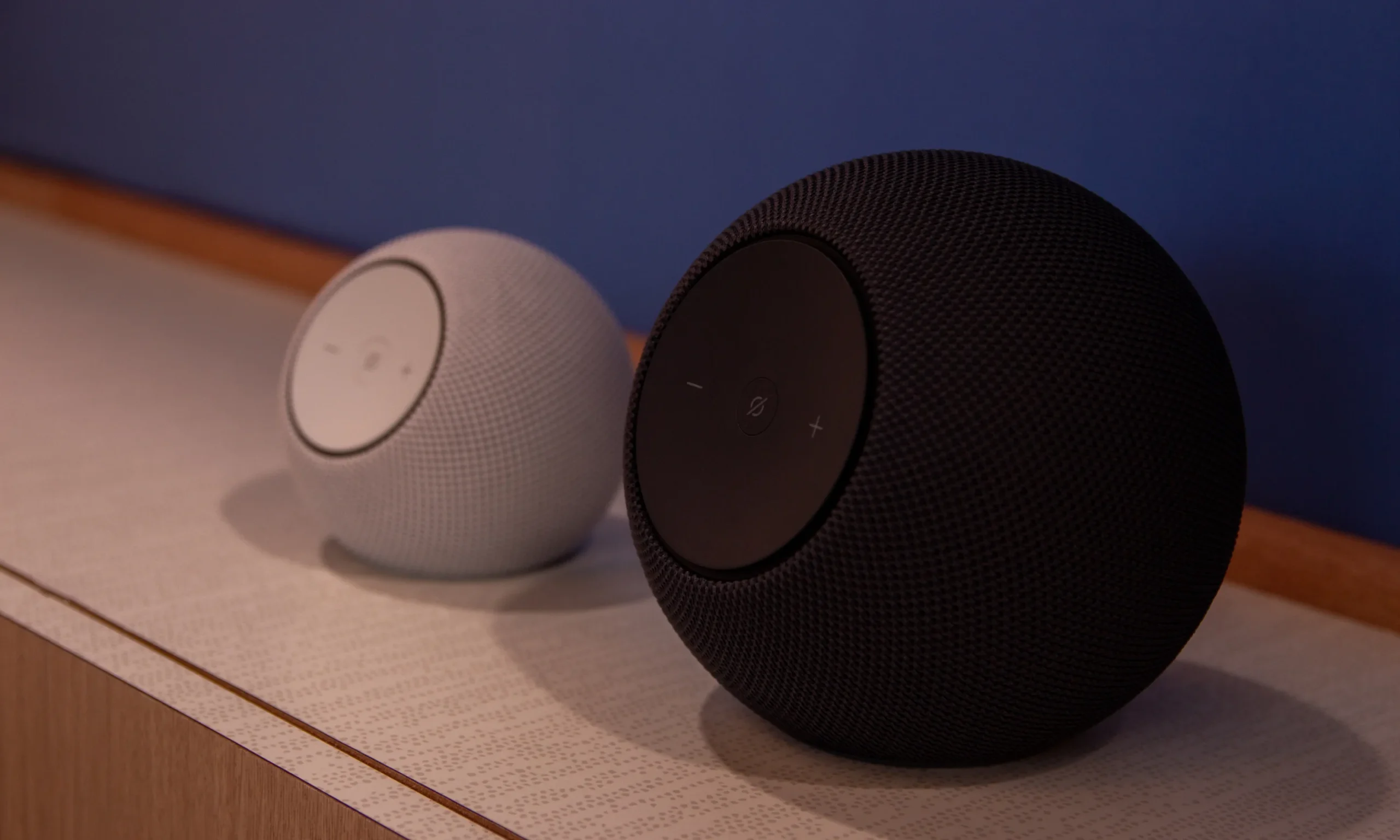
Amazon’s latest device price increases are a useful reminder that the AI boom is not only sitting inside data centres. It is beginning to show up in the price of ordinary consumer hardware.
According to major American news outlets, Amazon has raised prices across Echo, Fire TV, Kindle and eero devices, with some increases reaching as high as 60 percent. Amazon blamed significant increases in memory and storage component costs for the move.
The most visible example is the Echo Dot, one of Amazon’s best-known entry-level smart speakers, which reportedly moved from $49.99 to $79.99. Some Fire TV and Kindle products also became noticeably more expensive. For a company that has historically used low hardware prices to pull people deeper into its ecosystem, that is not a small adjustment.
The bigger story is memory. AI servers need huge amounts of high-bandwidth memory and storage, and the same supply chain feeds laptops, phones, tablets, streaming sticks, smart speakers and routers. When cloud companies and chip buyers lock up capacity for AI infrastructure, consumer electronics makers eventually feel the pressure.
This is why the price hike is more than an Amazon story. It shows how the AI buildout can create second-order effects across the hardware economy. A customer buying a Kindle is not buying an AI server, but the components inside that device may still be competing with the global appetite for AI infrastructure.
There is also a strategy question for Amazon. Its hardware business has often worked best when devices were cheap enough to become household defaults. If prices rise too much, consumers may delay upgrades, look at rivals or simply hold on to older devices longer. That could slow the flow of users into Alexa, Prime Video, Ring, Fire TV and Amazon’s wider services business.
The irony is that Amazon is one of the companies driving the AI infrastructure race through AWS. That does not make the price hikes wrong, but it does show how deeply connected the market has become. Cloud AI demand can help one part of a tech giant while putting cost pressure on another.
The same memory squeeze is already visible in broader AI infrastructure deals, from Nvidia’s central role in the market to new data-centre projects and hardware financing models. We have seen the same pressure around Nvidia’s earnings week, where investors are watching whether supply can keep up with demand.
For consumers, the lesson is simple. The cheap smart-home era may become harder to sustain if component prices stay elevated. For the wider tech industry, the lesson is sharper; AI is no longer a separate category. It is now competing for the same chips, memory, power and supply chains that support everything else.
That means AI inflation may not arrive as a single headline. It may arrive quietly, one Echo, Kindle or Fire TV price tag at a time.
Related Reading
More contextual TechBooky stories selected from tags, categories and article context.
Paul Balo is the founder of TechBooky and a highly skilled wireless communications professional with a strong background in cloud computing, offering extensive experience in designing, implementing, and managing wireless communication systems.
We use cookies to ensure that we give you the best experience on our website. If you continue to use this site we will assume that you are happy with it.