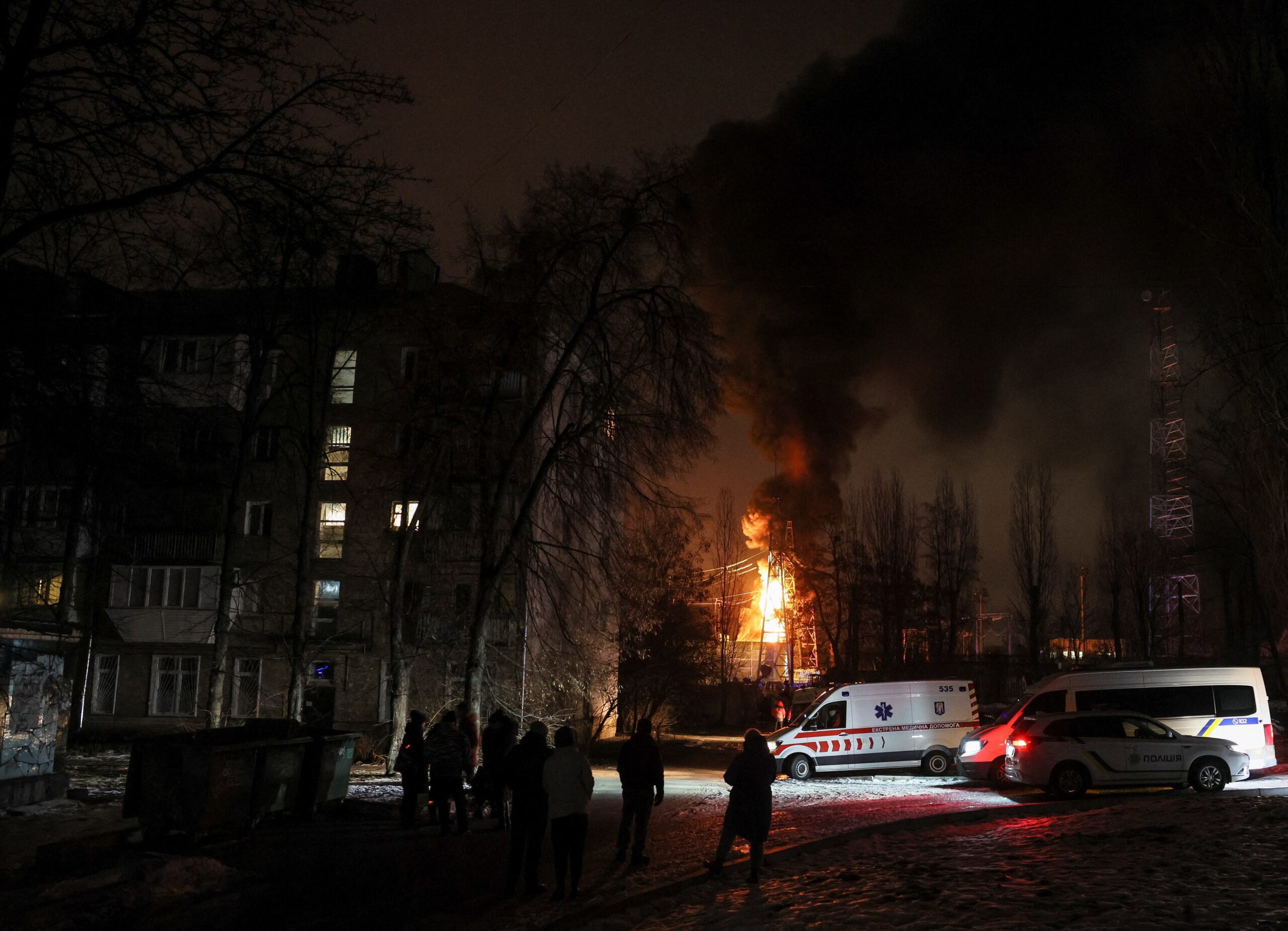
A drone strike has forced Yandex to shut down a data centre in Russia’s Vladimir region, turning a military attack into an immediate test of the digital services people use every day. The company said the facility was damaged and its operations were halted. No staff were injured, according to the Associated Press, which reported the incident on Sunday, October 11.
The immediate question for customers is not only whether the building can be repaired. It is how many services depended on that particular site and whether workloads can move cleanly elsewhere. Yandex operates search, cloud computing, maps, payments-related technology and a ride-hailing platform across a number of markets. A data centre outage can ripple through products that seem unrelated to the underlying infrastructure.
Russian independent outlet Astra reported disruption to services including taxis and banking in parts of Russia, as well as problems reported in Kazakhstan, Belarus and Armenia. Those downstream reports have not all been independently tied to the Vladimir facility, so the scope of any wider outage remains uncertain. Yandex’s confirmed position is narrower: the struck data centre stopped operating.
This was not an isolated hit on Russian computing infrastructure. AP said Yandex facilities in the Ryazan and Kaluga regions were also struck on October 8 and 9. Three reported incidents in four days raise a practical issue for any operator with concentrated infrastructure: redundancy works only if an alternative site can take the load, maintain connectivity and remain reachable during a broader disruption.
For businesses that run on cloud infrastructure, a supplier’s resilience plan is often invisible until something fails. Backups, regional failover and incident communication matter as much as the headline capacity of a data centre. That is especially true for services such as transport and payments, where a short interruption is felt by customers immediately.
There is also a wartime dimension. Data centres are civilian infrastructure used by businesses and ordinary people, even when they sit within a country at war. The effects of a strike can travel well beyond the physical site through cross-border platforms and networks. The reported problems in neighbouring countries underline why the impact needs careful verification rather than assumptions about a single company’s outage.
Yandex has not given a public timetable for restoring the Vladimir site in the reporting available so far. We will update the picture when the company provides a fuller account of the damage, affected services and recovery. For now, the confirmed story is a damaged facility and a complete halt at that location, with the broader service impact still being assessed. For another recent example of how cloud infrastructure decisions shape AI services, see our report on Cloudflare’s Dynamic Workers.
Related Reading
More contextual TechBooky stories selected from tags, categories and article context.
Paul Balo is the founder of TechBooky and a highly skilled wireless communications professional with a strong background in cloud computing, offering extensive experience in designing, implementing, and managing wireless communication systems.
We use cookies to ensure that we give you the best experience on our website. If you continue to use this site we will assume that you are happy with it.