Apple is reportedly cutting more than 200 jobs across parts of its Siri and Vision Pro teams, and the move looks less like a simple cost cut than another sign that Apple’s AI and device roadmap is being reset.
Bloomberg reported that the cuts affect teams connected to Siri, Vision Pro and other projects as Apple shifts resources toward newer device priorities, artificial intelligence and smart-glasses work. Apple has not announced the cuts publicly, so this should be read as a reported internal move rather than a formal company statement.
The timing matters. Apple has spent the past year trying to convince users and investors that Apple Intelligence will become a real part of the iPhone, Mac, Watch and future wearable experience. But the company is still under pressure to show that Siri can become more useful in the age of ChatGPT, Gemini, Claude and Meta AI.
Siri is the obvious pressure point. Apple has the installed base, the operating system access and the privacy story. What it has lacked is the sense that Siri can reason across tasks, understand context and act naturally across apps. That gap has become harder to ignore as third-party AI assistants move deeper into daily workflows.
We saw that this week with ChatGPT gaining Apple Messages integration on Mac. If ChatGPT can search and draft messages while Siri still struggles with more ambitious personal-assistant work, Apple has a platform problem, not just a feature problem.
Vision Pro is the other side of the reset. Apple’s headset remains one of the most technically impressive consumer devices in the market, but it has not become a mass-market product. High price, limited everyday use cases and a still-developing app ecosystem have made it difficult for Apple to turn the device into the next iPhone-like platform.
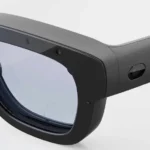
That is why smart glasses keep coming back into the conversation. Lighter, cheaper and more socially acceptable AI glasses could eventually reach far more users than a premium mixed-reality headset. Apple may still believe in spatial computing, but the product form factor may need to change before the market truly opens.
The job cuts also show the hard side of Apple’s usually patient product culture. Apple can afford long development cycles, but it cannot ignore when the market moves faster than its internal roadmap. Generative AI has changed user expectations quickly, and Apple is now trying to align teams around the parts of the roadmap that can matter most.
This does not mean Siri or Vision Pro are being abandoned. It more likely means Apple is narrowing focus and moving people toward the next version of those ideas: more capable personal AI, lighter wearables, better context awareness and devices that make Apple Intelligence feel useful without shouting about AI.
For Apple, the risk is that it moves too carefully while rivals move too visibly. The opportunity is that if it gets the combination of Siri, privacy, wearables and on-device intelligence right, it can still make AI feel more personal than anything running in a browser tab.
Related Reading
More contextual TechBooky stories selected from tags, categories and article context.
Paul Balo is the founder of TechBooky and a highly skilled wireless communications professional with a strong background in cloud computing, offering extensive experience in designing, implementing, and managing wireless communication systems.
We use cookies to ensure that we give you the best experience on our website. If you continue to use this site we will assume that you are happy with it.