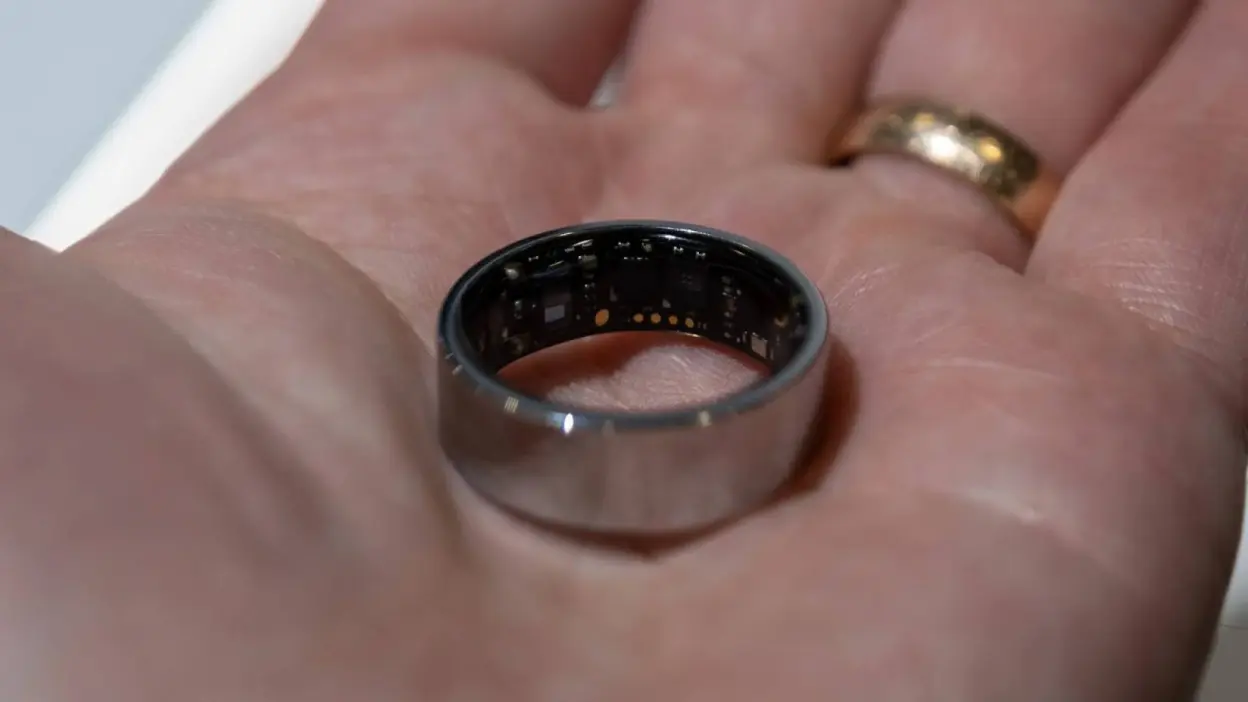
Oura is facing a proposed class action over sleep-tracking accuracy, and the case could become a useful test of how confidently wearables can market AI-estimated health data.
The complaint, filed in federal court in California, accuses Oura of misleading consumers by presenting its smart rings as able to accurately track sleep stages and sleep quality. The plaintiffs argue that Oura’s rings cannot directly measure the brain activity required to determine sleep stages and instead rely on estimates.
That distinction matters. Sleep is complex, and clinical sleep-stage measurement typically involves signals such as brain activity, eye movement and muscle activity. A finger-worn ring can measure signals such as movement, heart rate, temperature and blood oxygen. Those can be useful, but they are not the same as a full sleep lab.
The lawsuit claims Oura promoted sleep-stage accuracy figures that gave consumers more confidence than the technology could support. Oura has not had its full day in court, and the filing is one side of the dispute. But the case still raises a broader question for the wearable industry.
Consumers increasingly treat wearable scores as facts. Sleep scores, recovery scores, readiness numbers and stress scores can shape how people feel about their health, their training and even their productivity. If the scores are probabilistic estimates, companies need to communicate that clearly.
The issue is not whether Oura rings are useless. Many users find wearables valuable for trends, routines and general health awareness. The issue is whether marketing language makes an estimate sound more exact than it really is.
AI makes this more important. Wearables are increasingly using machine learning to infer what is happening inside the body from imperfect external signals. That can produce helpful patterns at scale, but it can also hide uncertainty behind a polished dashboard.
This connects to the wider AI disclosure debate. We recently covered Google’s AI ad-label compliance issue, and the same trust principle applies here: users need to understand when AI is estimating, not measuring directly.
For Oura and other wearable companies, the path forward is not to abandon AI health insights. It is to explain confidence levels, limitations and appropriate use more clearly. A sleep score can be useful without pretending to be a medical-grade sleep study.
The lawsuit may take time to resolve, but the industry lesson is already visible. As wearables move closer to health claims, the legal tolerance for vague or inflated AI accuracy claims will shrink.
Related Reading
More contextual TechBooky stories selected from tags, categories and article context.
Paul Balo is the founder of TechBooky and a highly skilled wireless communications professional with a strong background in cloud computing, offering extensive experience in designing, implementing, and managing wireless communication systems.
We use cookies to ensure that we give you the best experience on our website. If you continue to use this site we will assume that you are happy with it.