Apple has delivered the kind of earnings report that explains why investors have been treating it differently from the rest of Big Tech this season. While Microsoft, Amazon, Meta and Google are being judged mostly on AI infrastructure spending, Apple is still being judged on a simpler question: can it keep selling premium devices at scale while slowly bringing AI deeper into its ecosystem?
In its fiscal third-quarter earnings release filed with the SEC, Apple said revenue rose 16 percent year over year to $109.4 billion for the quarter ended June 27, 2026. Diluted earnings per share rose 29 percent to $2.02. Apple also reported company gross margin of 50.1 percent, helped by a favourable impact of about two percentage points from tariff refunds.
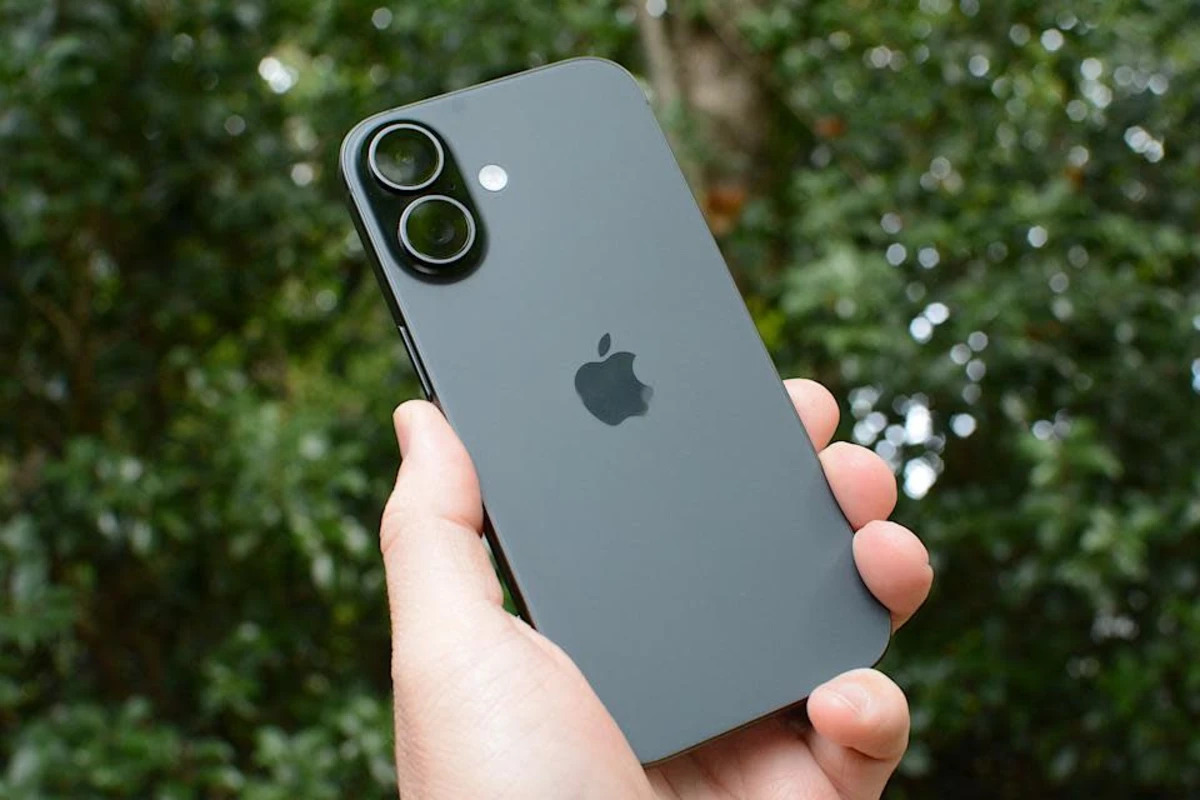
The iPhone was the main engine. Apple reported iPhone revenue of $54.3 billion, up from $44.6 billion a year earlier. That is a strong result in a global smartphone market that has been uneven and often weak, especially as consumers hold devices for longer and local brands put pressure on Apple in important markets like China. For Apple, iPhone strength still matters more than any AI promise because the phone remains the centre of the companys ecosystem.
Mac revenue also improved sharply, rising to $10.4 billion from $8.0 billion a year earlier. That is important because the Mac is increasingly part of the AI device conversation. Consumers and businesses are looking at local AI performance, memory, battery life and software support more seriously than before. Apple does not need to build giant cloud data centres at the same pace as hyperscalers to benefit from AI if it can make more people want new hardware capable of running AI features well.
Services remained Apple most reliable profit story, with revenue rising to $30.7 billion from $27.4 billion a year earlier. The category includes the App Store, Apple Music, iCloud, Apple Pay, AppleCare and other subscription and platform revenue. Services growth gives Apple a more predictable layer on top of hardware sales, and it is one reason investors tend to give the company patience even when product cycles become uneven.
There were weaker spots. iPad revenue fell to $6.2 billion from $6.6 billion, while Wearables, Home and Accessories rose more modestly to $7.9 billion. That shows Apple is not getting the same momentum across every product line. The company is still heavily dependent on the iPhone, and even when the wider ecosystem works well, there is no easy replacement for a strong iPhone cycle.
Geographically, Apple showed broad growth. Americas revenue rose to $45.8 billion, Europe reached $29.4 billion and Greater China climbed to $18.8 billion from $15.4 billion a year earlier. The China number is especially important because Apple has faced strong competition from Huawei and other local brands, along with regulatory pressure around AI services. The recent approval path for Apple Intelligence in China with Alibaba Qwen gives the company a better chance of keeping its premium position there.
The AI angle around Apple is still different from the cloud companies. Amazon just showed huge AWS growth, Microsoft showed Azure strength, and Meta showed how expensive AI can become when infrastructure spending runs ahead of visible profit. Apple is not trying to win that race by spending hundreds of billions on data centres. Its bet is that AI becomes more useful when it is tied tightly to devices, operating systems, privacy and daily consumer habits.
That is why Siri AI and Apple wider software work matter even if Apple is not moving as loudly as OpenAI, Google or Anthropic. Apple can be late in model performance and still matter if it controls the device where people use the assistant every day. The challenge is that expectations are rising quickly. After years of Siri being seen as behind, Apple has to show that its AI features are not just safe and private, but genuinely useful.
The company is also changing how it sells hardware. Apple recently moved deeper into device financing and leasing through Apple Upgrade for iPhones and Macs, a sign that high device prices and rising component costs are forcing even Apple to make ownership feel more affordable. If memory and storage prices keep rising because of AI demand, financing could become a bigger part of how Apple protects upgrade cycles.
Apple quarter is strong because it is not complicated in the wrong way. Revenue hit a June-quarter record, iPhone and Mac sales were solid, Services kept growing and gross margin stayed high. The risk is that Apple still has to prove its AI strategy can become more than a defensive feature set. But for now, while other tech giants explain their infrastructure bills, Apple has reminded investors that premium hardware, services and pricing power can still be a powerful story on their own.
Paul Balo is the founder of TechBooky and a highly skilled wireless communications professional with a strong background in cloud computing, offering extensive experience in designing, implementing, and managing wireless communication systems.
We use cookies to ensure that we give you the best experience on our website. If you continue to use this site we will assume that you are happy with it.