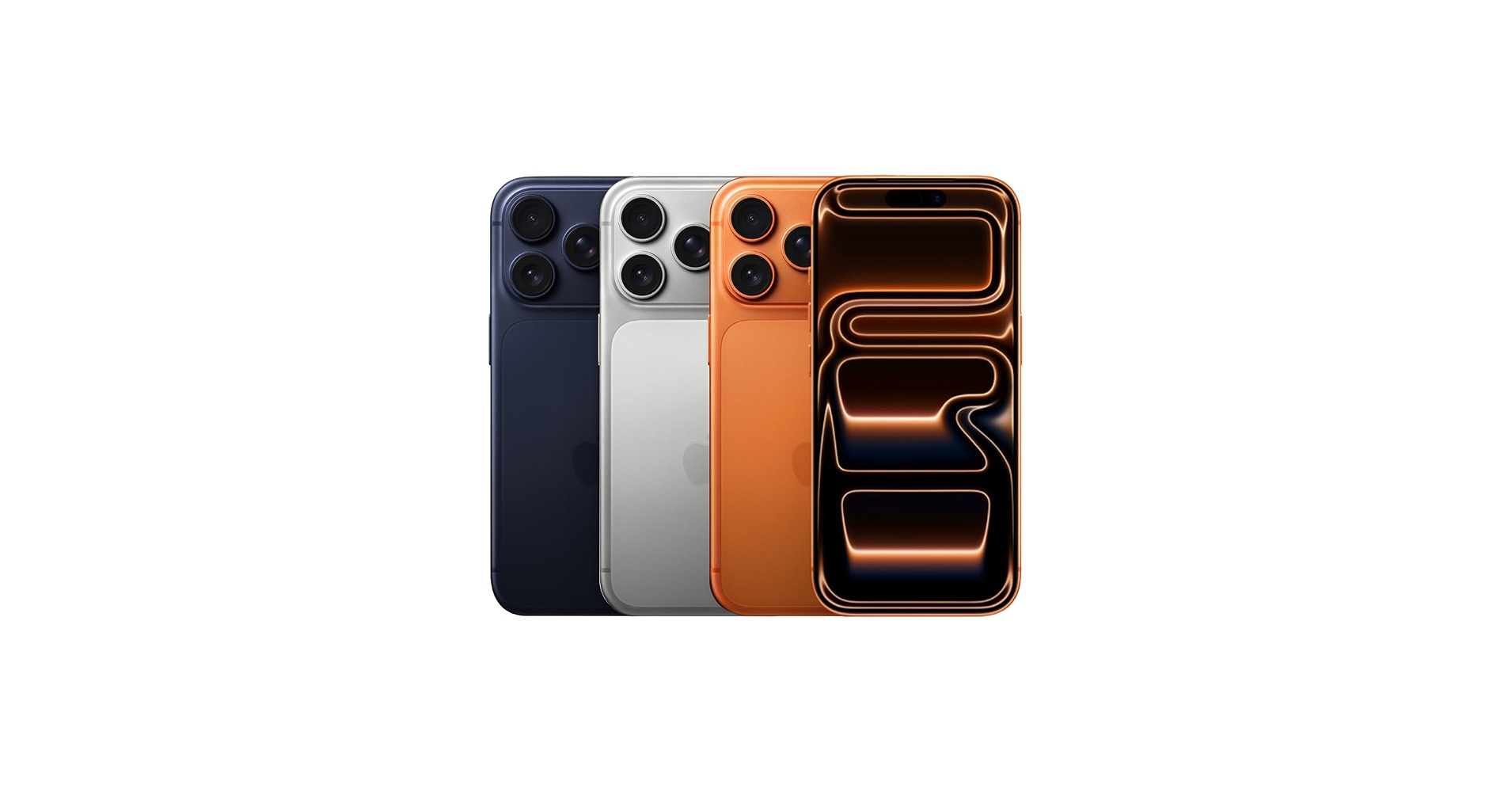
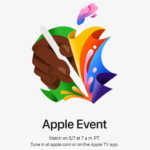
Apple’s September event is officially set for September 9 at 10 a.m. PT, and this one may tell us more about the economics of the smartphone market than about design alone. Apple’s event page invites users to watch a special event under the theme Surprise and shine, but the industry expectation is that Apple will lean heavily into premium hardware.
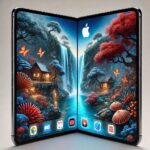
Wired reports that the event will be the first major Apple launch under new CEO John Ternus after Tim Cook’s departure, with expectations around iPhone 18 Pro models, Apple Watch updates and a long-rumoured foldable iPhone. MarketWatch has framed the expected foldable as a possible $2,000 iPhone moment, aimed at high-end buyers willing to pay for novelty, screen size and status.
The price matters because it arrives at an awkward time. The global memory crunch, already described in our RAMageddon analysis , is making phones, laptops and consoles more expensive. AI data centres are competing for the same broad memory supply chain that consumer electronics companies need to build devices at scale.
That means Apple’s premium push is not just about luxury. It may be a way to protect margins when component costs rise. If memory, storage and AI-ready hardware become more expensive, the safest customers are the ones already willing to buy Pro, Ultra and foldable devices.
The strategy also fits the Ternus era. We wrote earlier that Apple is entering a new leadership phase , and the first big iPhone event under Ternus will be watched for more than product specs. Investors will want to see whether Apple can make AI feel useful, protect iPhone revenue and keep its premium brand power intact.
Apple is also expected to delay the base iPhone 18 into 2027, according to reports. If that happens, it would mark a meaningful shift in launch rhythm. A staggered lineup could help Apple spread revenue across the year, but it also risks making the affordable end of the iPhone family feel less important.
There is a product logic too. Features such as iPhone Handoff point to a future where users may move between multiple Apple devices more naturally. A foldable iPhone, a Pro Max, a backup phone and AI-powered Siri all become more interesting if Apple can make identity, calls, apps and context follow the user across hardware.
The real question is whether consumers will accept the price. A $2,000 iPhone can be a halo product that lifts the whole brand, or it can become a symbol of how expensive everyday technology is becoming in the AI era. Apple has usually been good at making premium prices feel inevitable. Tomorrow’s event may show whether that skill still works when the cost pressure is no longer hidden.
Related Reading
More contextual TechBooky stories selected from tags, categories and article context.
Paul Femi Balo is the founder and publisher of TechBooky. He covers artificial intelligence, African technology, digital infrastructure, enterprise technology and the global digital economy.
We use cookies to ensure that we give you the best experience on our website. If you continue to use this site we will assume that you are happy with it.