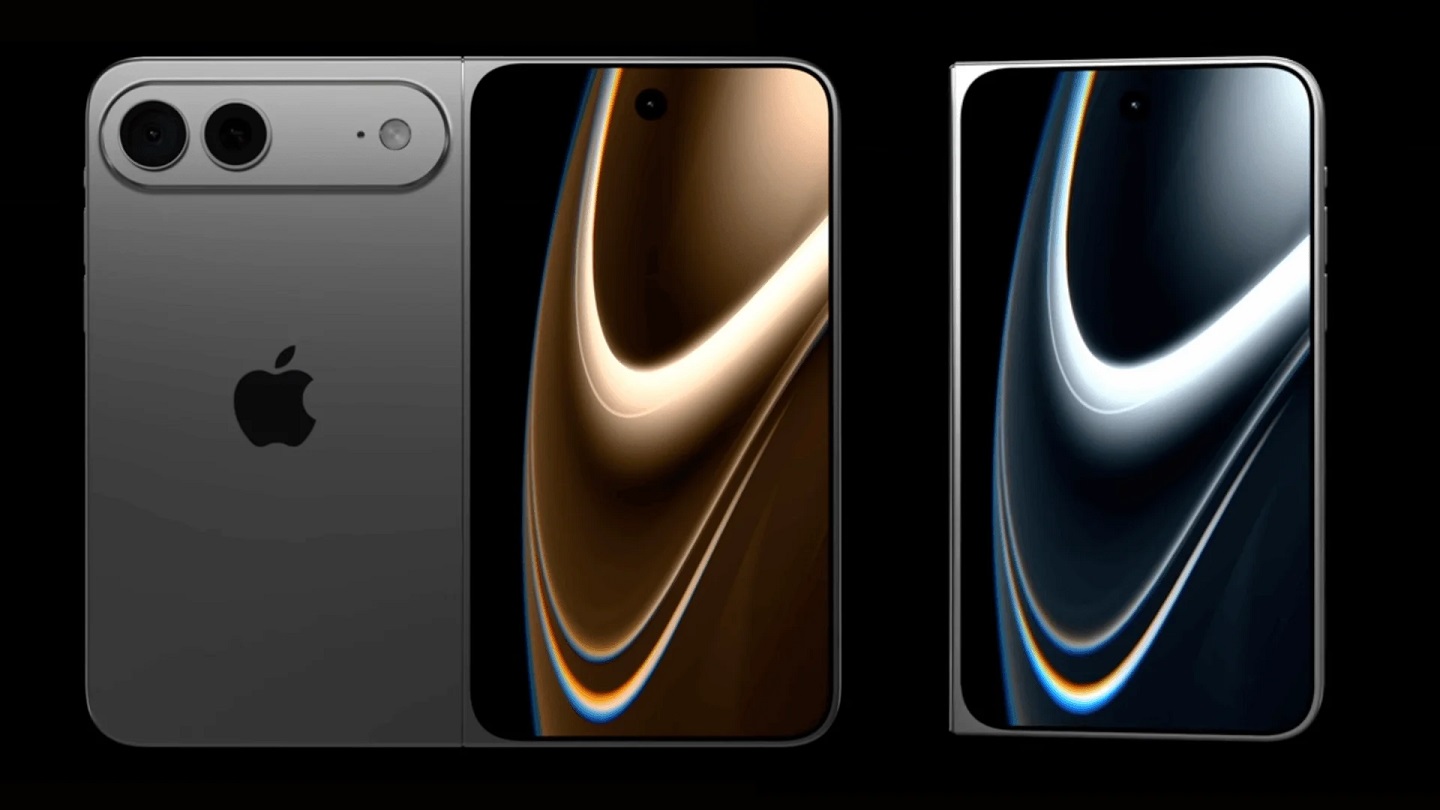
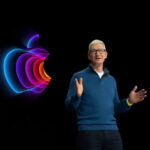
Apple’s most important product event in years arrives tonight, and the reason is not just another iPhone refresh. The iPhone maker is expected to use its September 9 event to show whether it is finally ready to enter the foldable phone market, a category Samsung, Google, Motorola and Huawei have shaped for years while Apple waited.
Apple’s event page says the company will stream the event under the Surprise and shine theme, while AP reports that the launch is expected to include the latest iPhone lineup and possibly Apple’s first foldable model. It is also the first major product moment for John Ternus as chief executive, which makes the event as much about leadership as hardware.
That is why this launch carries more weight than the usual September routine. Foldables are no longer strange experiments, but they are still not mass-market devices. They are expensive, delicate and often bought by people who want the newest form factor rather than the most practical phone. Apple arriving late means it has had years to study the category’s weaknesses. It also means expectations will be higher.
The big question is whether Apple can make a foldable feel like an iPhone first and a gadget experiment second. Samsung has improved the Galaxy Z Fold line steadily, but foldables still carry questions around durability, crease visibility, battery life, app design and price. Apple will have to convince users that the hinge is not a compromise and that the extra screen is worth the extra money.
There is also the pricing problem. Analysts expect the first foldable iPhone, widely rumoured as an iPhone Ultra, to sit far above the normal iPhone range. If memory costs and AI hardware needs are also pushing prices up, this could become Apple’s most expensive consumer phone launch. That links directly with the argument we made recently about why Apple’s $2,000 iPhone moment is really about AI costs.
Apple’s AI story will matter too. The company has been under pressure to show that Apple Intelligence can become more than a delayed software promise. A foldable iPhone with weak AI would look like a hardware flex at a time when rivals are selling assistant-first experiences. A foldable with useful on-device intelligence could give Apple a cleaner story around privacy, productivity and premium hardware.
Tonight’s event may therefore tell us what the new Apple wants to be: a company still selling elegant devices at higher prices, or one trying to make hardware the trusted home for personal AI. The foldable iPhone, if it appears, will not be judged only by whether it opens and closes nicely. It will be judged by whether Apple can make the category feel inevitable.
Related Reading
More contextual TechBooky stories selected from tags, categories and article context.
Paul Femi Balo is the founder and publisher of TechBooky. He covers artificial intelligence, African technology, digital infrastructure, enterprise technology and the global digital economy.
We use cookies to ensure that we give you the best experience on our website. If you continue to use this site we will assume that you are happy with it.