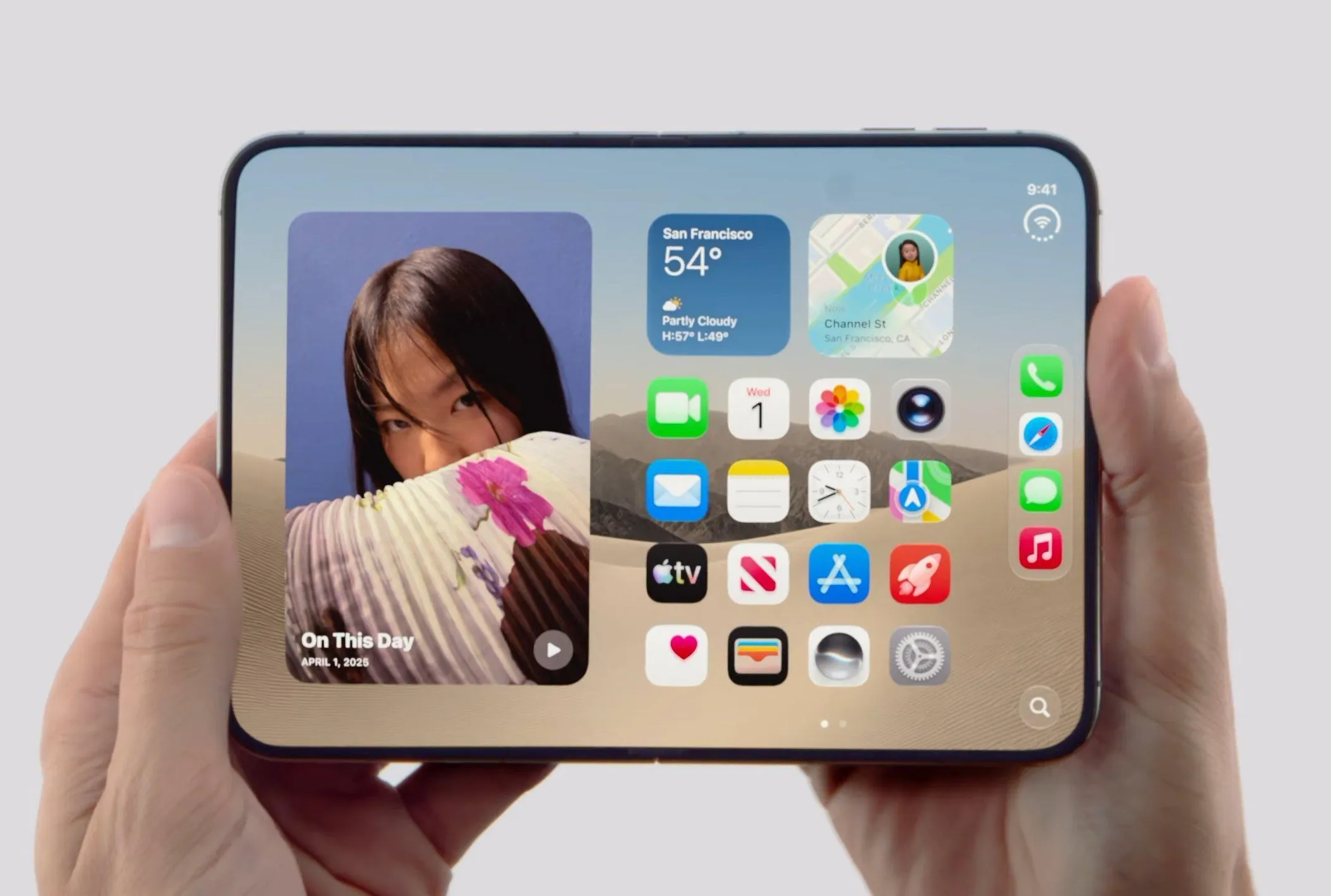
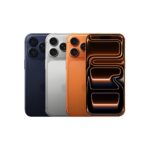
Apple has finally entered the foldable phone market. After years of watching Samsung, Google, Motorola, Huawei and Chinese brands carry the risk of early folding screens, Apple has unveiled its first foldable iPhone at its September event.
The launch was made during Apple’s live event, available through the company’s official events page. The broader event coverage now confirms the important point; Apple is no longer treating foldables as an Android experiment. Apple identifies the device as the iPhone Duo.
The significance is bigger than the name. Foldables have been available for years, but the category has remained expensive and relatively narrow. Many buyers liked the idea of a phone that could become a tablet, but held back because of price, hinge durability, app support, battery tradeoffs and the visible screen crease. Apple arriving now means the company believes the category is finally ready for a more mainstream premium push.
Apple’s usual playbook is visible here. It rarely needs to be first when it can wait, study the category’s weaknesses and then present a cleaner version to its own users. The iPod was not the first music player. The iPhone was not the first smartphone. The Apple Watch was not the first smartwatch. Apple tends to arrive when it thinks the hardware, software, retail story and developer ecosystem can work together.
That is why Samsung should take this seriously even though it has a long head start. Samsung created much of the modern foldable market with the Galaxy Z Fold and Z Flip lines. Google later added the Pixel Fold family, and Chinese vendors pushed thinner bodies, stronger hinges and faster charging. But Apple brings something different: iOS developers, carrier attention, accessory makers and millions of loyal iPhone users who may never have considered switching to Android for a foldable.
The most important test will be whether the folding screen becomes useful every day. A foldable iPhone cannot survive on novelty. It has to make reading, messaging, video, gaming, photography, multitasking and AI-assisted work feel better enough to justify the higher price. If it feels like an expensive party trick, Apple’s brand will not save it forever.
Apple Intelligence gives the device a stronger reason to exist. A larger folding display could make Siri, summaries, translation, editing and multi-app workflows more useful than they are on a normal phone screen. If Apple gets the software right, the foldable iPhone could become a pocket phone when closed and a small personal AI workspace when opened.
This connects with Apple’s broader Pro push today. TechBooky’s live draft on the iPhone 18 Pro and 18 Pro Max looked at the A20 Pro chip, C2 modem, upgraded cameras and deeper Apple Intelligence. The foldable iPhone extends that same argument: Apple wants hardware to remain the trusted place where personal AI happens.
Pricing will decide how fast this spreads. Early market expectations put Apple’s first foldable well above ordinary flagship phones, which means it may start as a prestige device before becoming a real volume product. That would not be unusual. Apple often lets the first generation define the category, then improves weight, battery life, software and price over later cycles.
For the wider smartphone market, this is the signal rivals were waiting for. Foldables are no longer just a Samsung bet or a Chinese hardware race. Once Apple enters, developers and consumers treat the category differently. That does not guarantee instant success, but it changes the premium phone conversation immediately.
The question now is whether Apple can make foldables feel inevitable. If it can, today’s launch may be remembered as the moment the folding phone stopped being a niche gadget and became the next serious battleground for premium mobile computing.
Related Reading
More contextual TechBooky stories selected from tags, categories and article context.
Paul Femi Balo is the founder and publisher of TechBooky. He covers artificial intelligence, African technology, digital infrastructure, enterprise technology and the global digital economy.
We use cookies to ensure that we give you the best experience on our website. If you continue to use this site we will assume that you are happy with it.