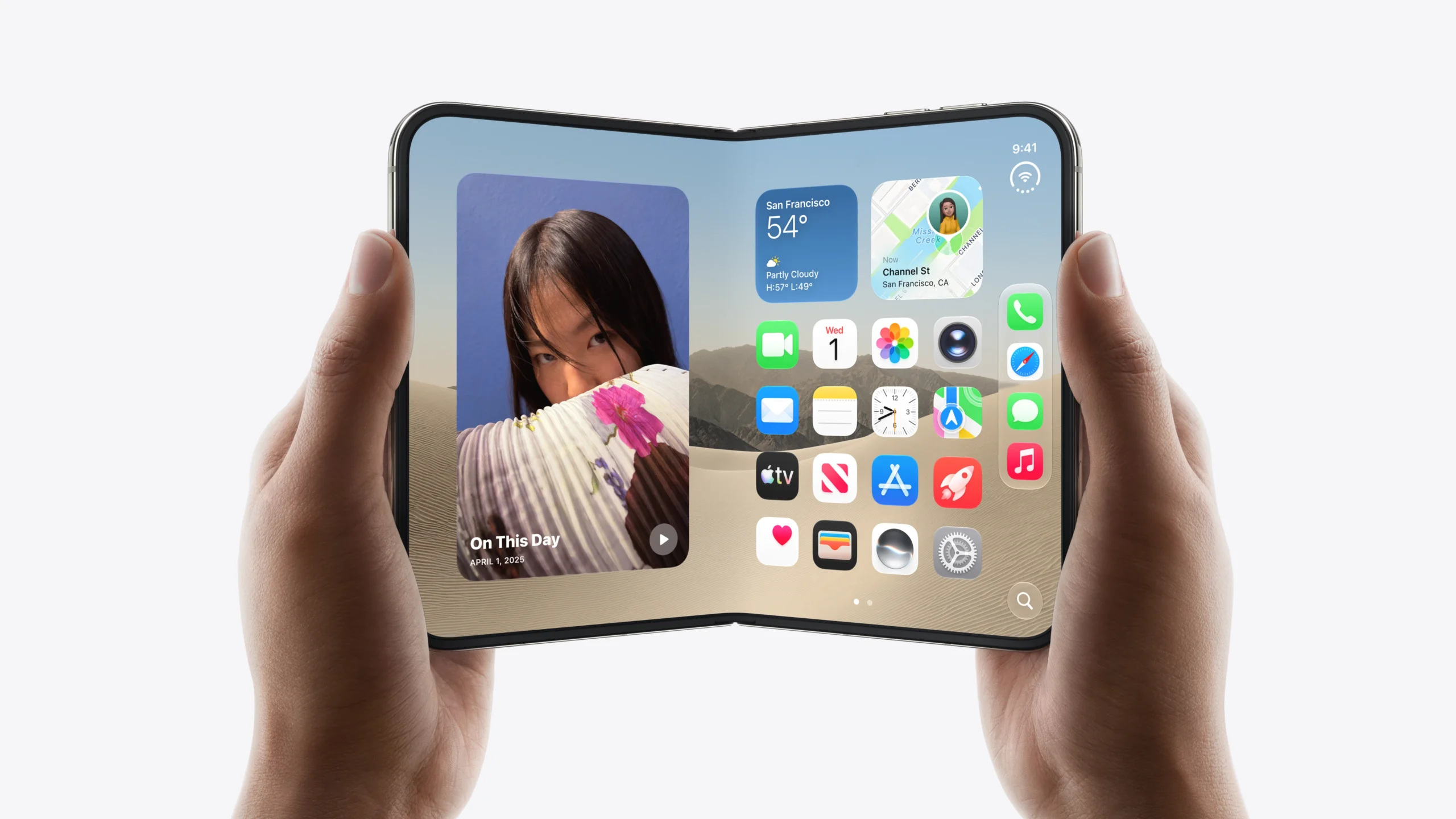
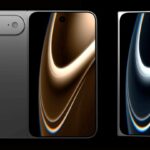
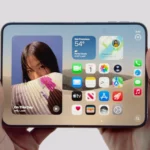
Apple’s first foldable iPhone is now more than a stage announcement. The official store details show the iPhone Duo as a $1,999 bet that Apple can take a category built by Samsung and Google and make it feel like a normal part of the iPhone family.
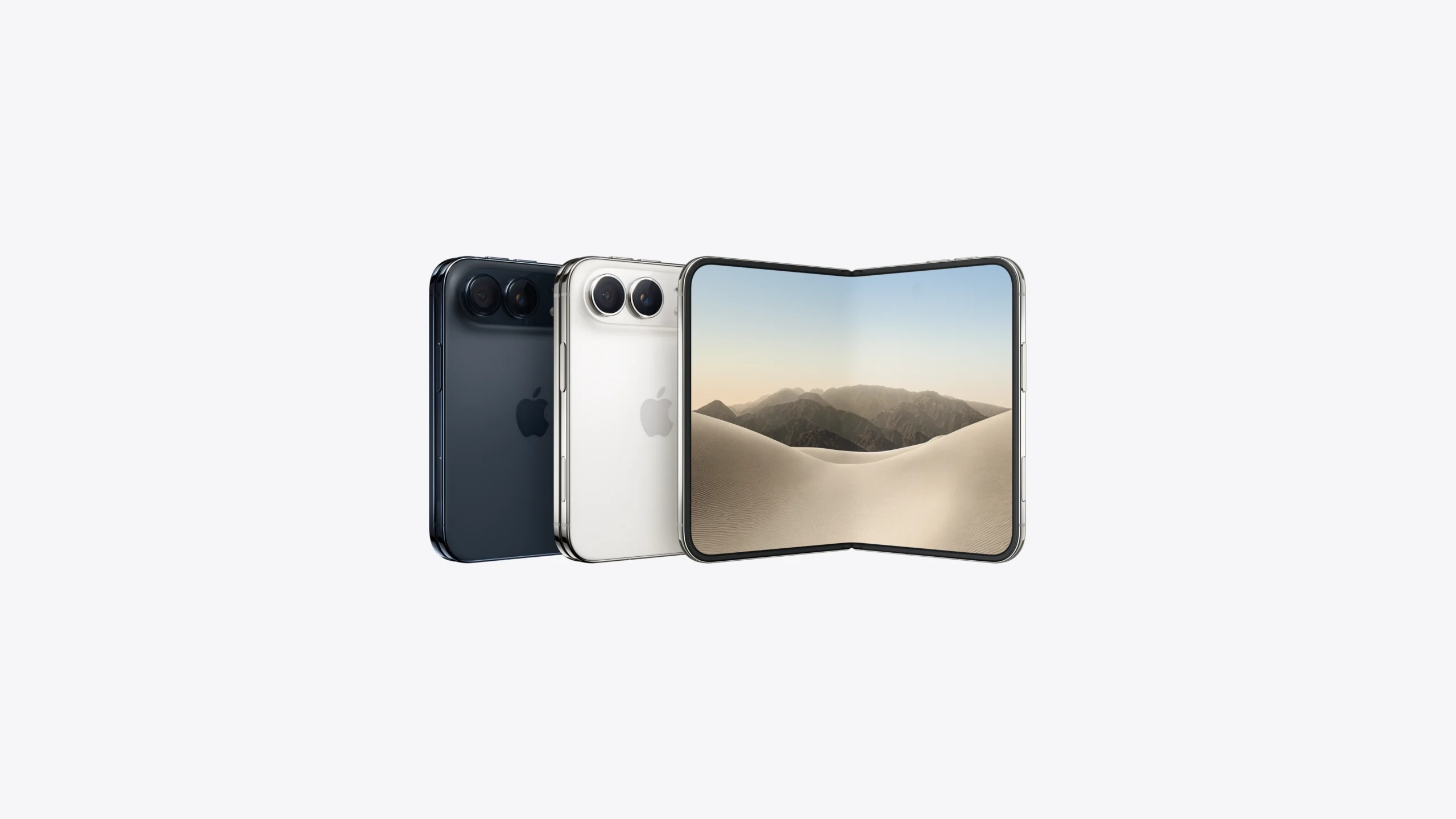
Apple’s iPhone Duo store page lists the device from $1,999 for 256GB, $2,199 for 512GB, $2,599 for 1TB and $3,199 for 2TB. It comes in Night Sky and Star White, with preorders starting at 5:00 a.m. PT on October 16 and availability from October 23.
The display setup confirms the device’s real target. The iPhone Duo has a 7.6-inch Super Retina XDR folding display with nano-texture and a 5.4-inch Super Retina XDR outer display. It supports ProMotion, Always-On display and Dynamic Island, meaning Apple is trying to make both the folded and unfolded experience feel complete.
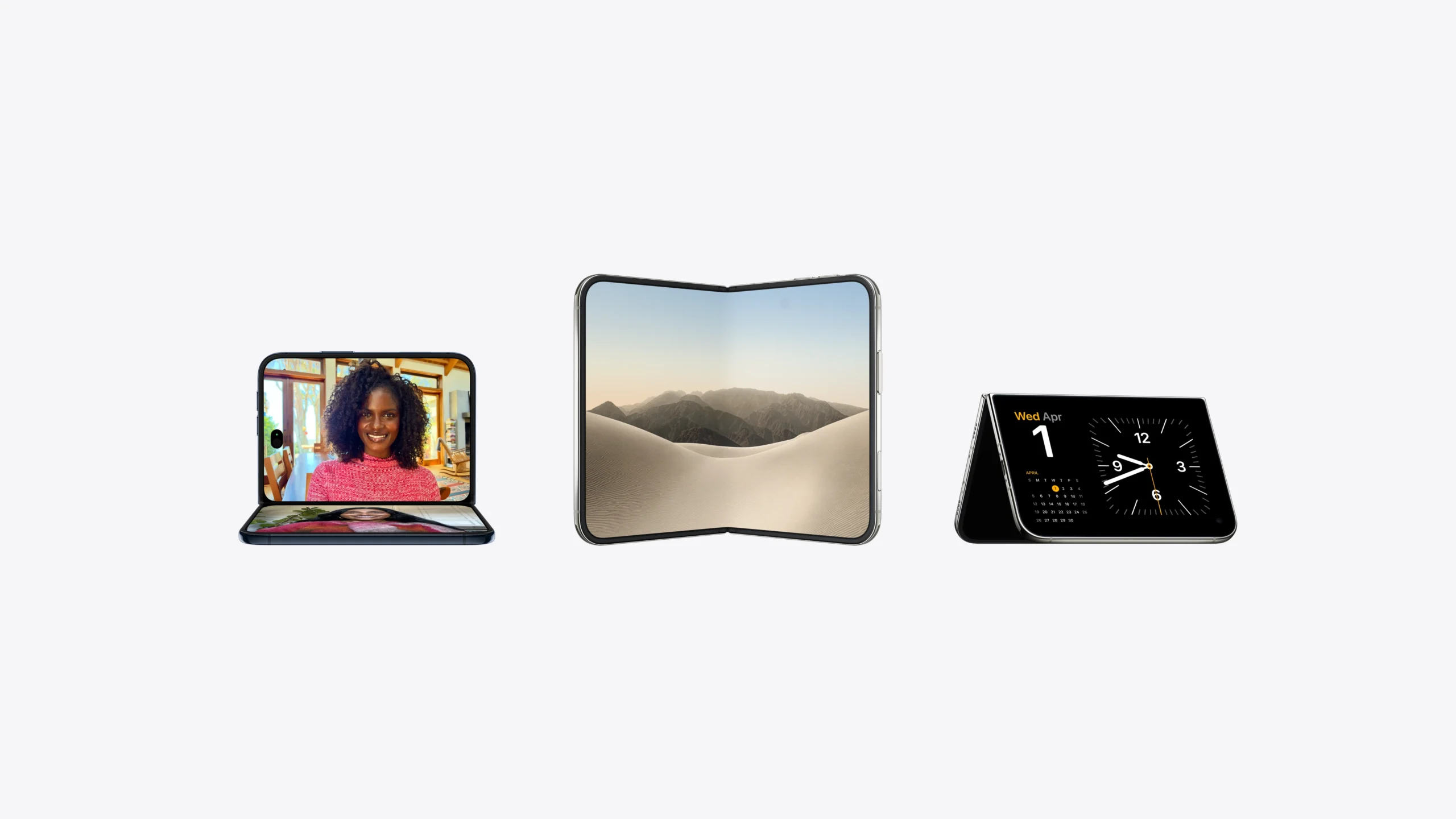
Apple describes the device as foldable, posable and standable, with reimagined iOS experiences for versatility. That matters because a foldable iPhone cannot survive as a novelty. It has to justify its price through real daily use; reading, multitasking, video, messaging, creative work and AI-assisted productivity.
The frame and hinge cover are titanium, which is exactly where Apple needed to be careful. Durability has always been the weak point in the foldable conversation. Apple waited long enough to avoid the earliest screen and hinge mistakes, but the first iPhone Duo will still be judged by how well it handles months of normal use.
Inside, the iPhone Duo uses the same A20 Pro platform direction as the Pro models: a 6-core CPU, 7-core GPU with Neural Accelerators, dual 16-core Neural Engine and hardware-accelerated ray tracing. That puts the foldable directly inside Apple’s AI hardware strategy rather than treating it as a separate experiment.
The camera system is simpler than the iPhone 18 Pro but still strong. Apple lists a 48MP Dual Fusion camera system, made up of a 48MP Fusion Main camera and a 48MP Fusion Ultra Wide camera. It supports 24MP and 48MP photos, Smart Take, Duo Preview, Photographic Styles 3, Dolby Vision up to 4K at 120fps, smart focus tracking, cinematic mode effects, improved low-light video, next-generation portraits and macro photography.
Battery life also looks competitive for a first-generation Apple foldable. Apple lists up to 44 hours of video playback when using the outer display and up to 31 hours when using the inner display. That split matters because foldables usually force users to think about which screen is draining the battery faster.
The iPhone Duo is also eSIM-only in the US and Puerto Rico, like Apple’s recent US iPhones. That may not matter much in Apple’s home market, but it matters globally because eSIM support remains uneven in some markets.
This is the device Samsung has been waiting for Apple to build. Samsung created the foldable category, but Apple entering changes developer attention, accessory economics and consumer perception. The iPhone Duo may not be a mass-market phone immediately, but it makes foldables a mainstream premium battleground.
Related Reading
More contextual TechBooky stories selected from tags, categories and article context.
Paul Femi Balo is the founder and publisher of TechBooky. He covers artificial intelligence, African technology, digital infrastructure, enterprise technology and the global digital economy.
We use cookies to ensure that we give you the best experience on our website. If you continue to use this site we will assume that you are happy with it.