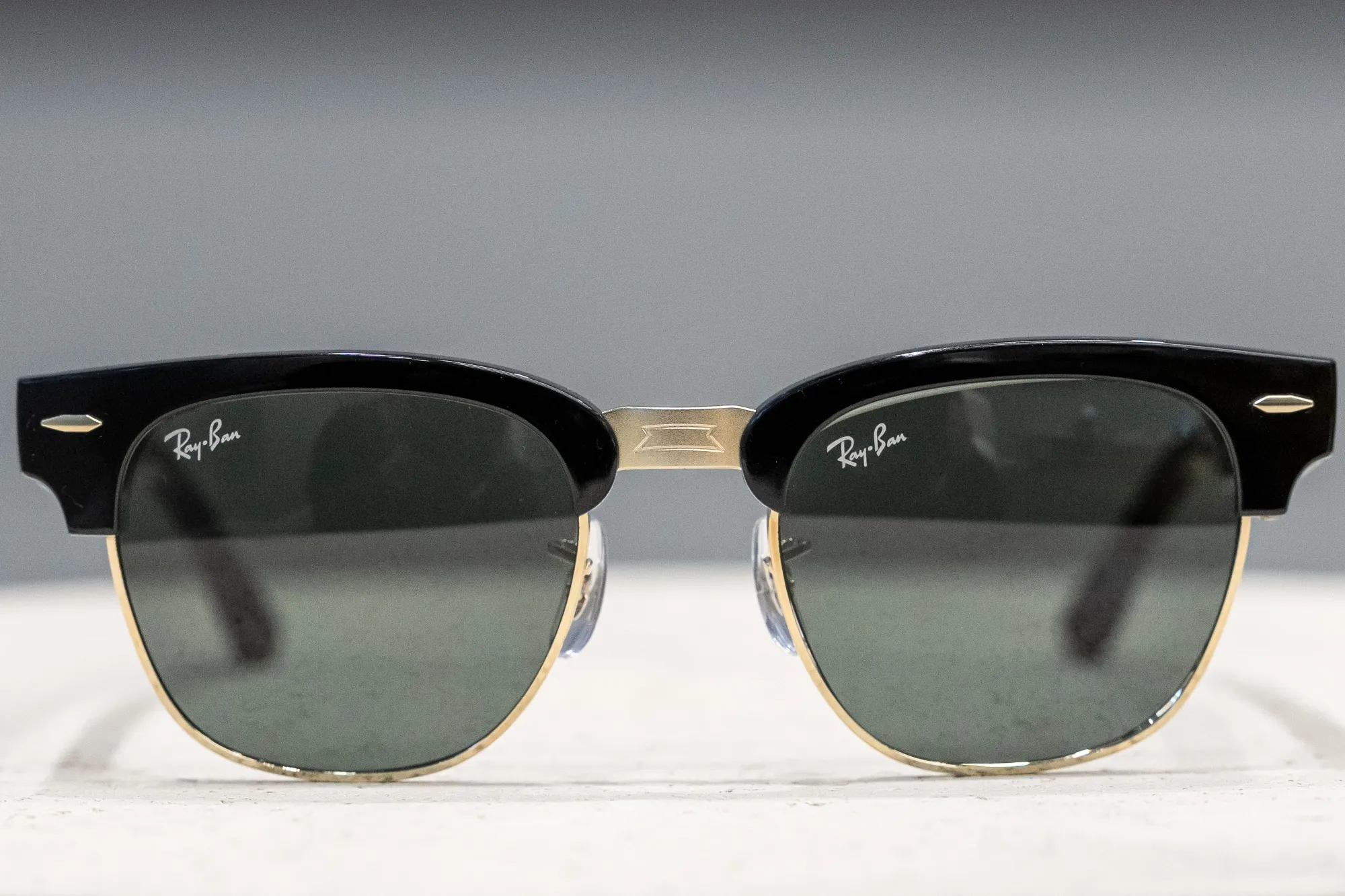
Meta is giving shoppers a less camera-centred way into smart glasses. At Connect on September 23, it introduced Ray-Ban Meta Audio, an audio-first pair that starts at $349. Preorders are open, with shipping scheduled for October 13.
The distinction matters because Meta’s glasses range is getting crowded. Audio is a lighter, slimmer product for music, calls and hands-free AI. It is not the same as the much more expensive immersive Meta VR Glasses announced at the same event, and it should not be confused with the camera-equipped Ray-Ban Meta models.
Meta says the Audio glasses weigh 43 grams and run for up to 12 hours on a charge, with up to 48 additional hours available from the included charging case. Buyers can choose Clubmaster or Burbank frames across 23 colour and lens combinations, with prescription support. The company describes them as its lightest and slimmest AI glasses yet. Actual comfort and battery endurance will need independent testing, especially for people who wear prescription glasses all day.
The idea is to make a pair of glasses do some of the work of earbuds without sealing off the ears. That could appeal to commuters, walkers and workers who want podcasts or calls while staying aware of traffic and conversations. Meta is also bringing its Muse personal AI agent to AI glasses for hands-free tasks and planning. How useful that becomes will depend on reliability, regional availability and how much information users are comfortable sharing with an assistant worn on their face.
There was a second launch for people who do want a camera. Ray-Ban Meta Gen 3 is available now from $449. Meta says it offers up to nine hours of battery life, a six-microphone array designed to reduce background noise, a 12-megapixel camera and 3K video recording. The new frames include Aviator, Zena and Wayfarer, with 27 colour and lens combinations. Meta says an LED indicates when a user is taking photos or recording video.
Beyond Ray-Ban, Meta announced more frame styles and an entry-priced Meta Adventurer starting at $249, alongside limited editions and broader international distribution. Its announcement names South Africa among markets expected to get Oakley Meta, Ray-Ban Meta and Ray-Ban Meta Optics later this year. That is a planned expansion, not a guarantee that every design, AI feature and price will be identical in each country.
The commercial strategy is clearer than any single frame. Meta wants smart glasses to become an ordinary eyewear choice with a range of prices and functions, not one unusual gadget for enthusiasts. Other technology companies are moving toward the category, but Meta already has retail relationships and familiar Ray-Ban styling to work with.
For buyers, the sensible first question is not whether the glasses have AI. It is which compromises they can live with. Audio-only frames avoid some of the unease around public filming, while the camera models offer more capability and a different privacy burden. Prices are also US starting prices, and local taxes and availability can change the comparison.
Related Reading
More contextual TechBooky stories selected from tags, categories and article context.
Paul Balo is the founder of TechBooky and a highly skilled wireless communications professional with a strong background in cloud computing, offering extensive experience in designing, implementing, and managing wireless communication systems.
We use cookies to ensure that we give you the best experience on our website. If you continue to use this site we will assume that you are happy with it.