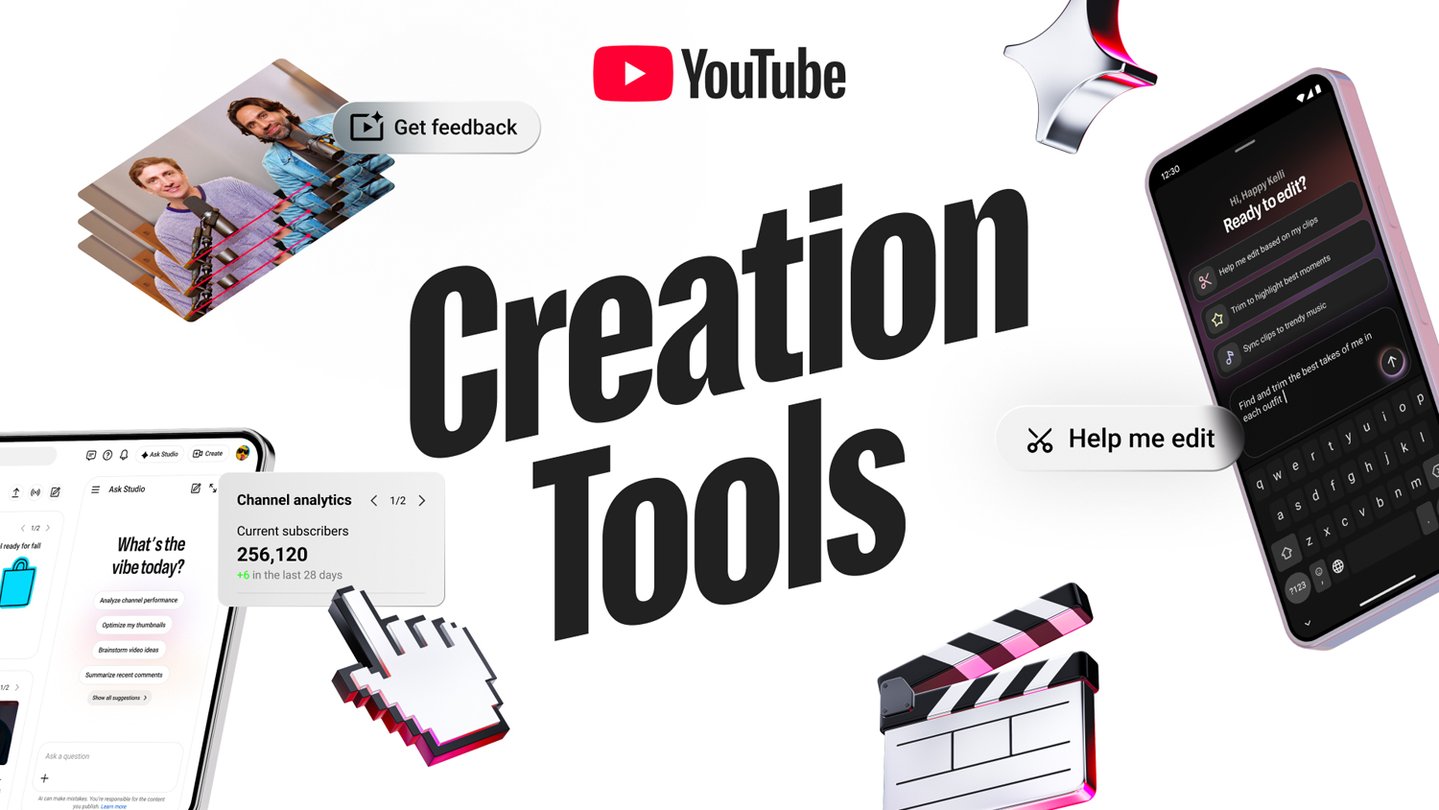
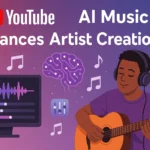
Making a video is only one part of running a YouTube channel. Creators also have to choose a title, find a thumbnail, edit footage, study what viewers watched and moderate the conversation afterward. At its September 23 Made on YouTube event, the company laid out new tools across that entire workflow, with Gemini playing a larger role.
The most direct addition is a conversational editor for Shorts and the YouTube Create app. Instead of only dragging clips around a timeline, creators will be able to describe the changes they want. YouTube says the assistant can help make a first draft, reorder frames, trim footage and sync music to the beat, while still allowing manual edits. That last point matters: an editor needs the freedom to reject an AI suggestion without losing control of the story.
YouTube says hundreds of thousands of channels used its earlier Gemini Omni tools each day in August 2026. That is evidence of interest in AI assistance, though it does not tell us how many of those videos were improved by it. Generating a passable first cut is useful; deciding what is worth saying, what should be removed and whether a scene is truthful remains the creator’s job.
Studio is also getting more involved before and after a video goes live. New Insights and Research areas will help creators examine older performance and find unusual videos that may suggest the next idea. For drafts, YouTube promises personalised feedback on pacing, structure and storytelling. It also plans channel-matched thumbnail generation and dynamic thumbnails that show different options to different segments of an audience.
The company says creators have run more than 40 million title and thumbnail A/B tests since that feature launched in 2024. A coming test will let them compare up to three different video cuts to see which opening holds attention. Ask Studio may also review older videos in the background and recommend refreshed thumbnails. Useful as that could be, creators should be wary of optimising everything for the metric easiest to measure. A stronger hook is not automatically a better or more accurate video.
On the community side, YouTube is testing opt-in AI-powered comment moderation that adapts to a channel’s preferred standards. Later this year, it plans to add voice detection to its likeness-protection work so creators can more easily identify impersonations as well as copied faces. The company says likeness detection will also move into its mobile app. These are promises about tools and rollouts, not proof that every harmful imitation will be caught.
The opportunity for smaller teams is real. Tasks that once required several specialist tools may become simpler inside YouTube. The risk is a flood of videos polished toward the same platform signals, with creators increasingly dependent on one company’s idea of what performs. The most useful version of these tools will be the one that saves time without making every channel sound and look alike.
Related Reading
More contextual TechBooky stories selected from tags, categories and article context.
Paul Balo is the founder of TechBooky and a highly skilled wireless communications professional with a strong background in cloud computing, offering extensive experience in designing, implementing, and managing wireless communication systems.
We use cookies to ensure that we give you the best experience on our website. If you continue to use this site we will assume that you are happy with it.