The founders of Fitbit are back in wearables, but Luffu Link is not trying to be another step counter. It is trying to solve the messier problem of family care.
James Park and Eric Friedman, who helped make Fitbit one of the first mainstream wearable brands, have launched Luffu Link, an LTE-enabled health and safety band designed to monitor health signals, location and daily context without requiring a phone nearby.
The device is available for pre-order at $250 and is expected to ship in early 2027, with a planned retail price of $300. It comes in halo gold, onyx black and sterling blue, according to launch details shared by the company.
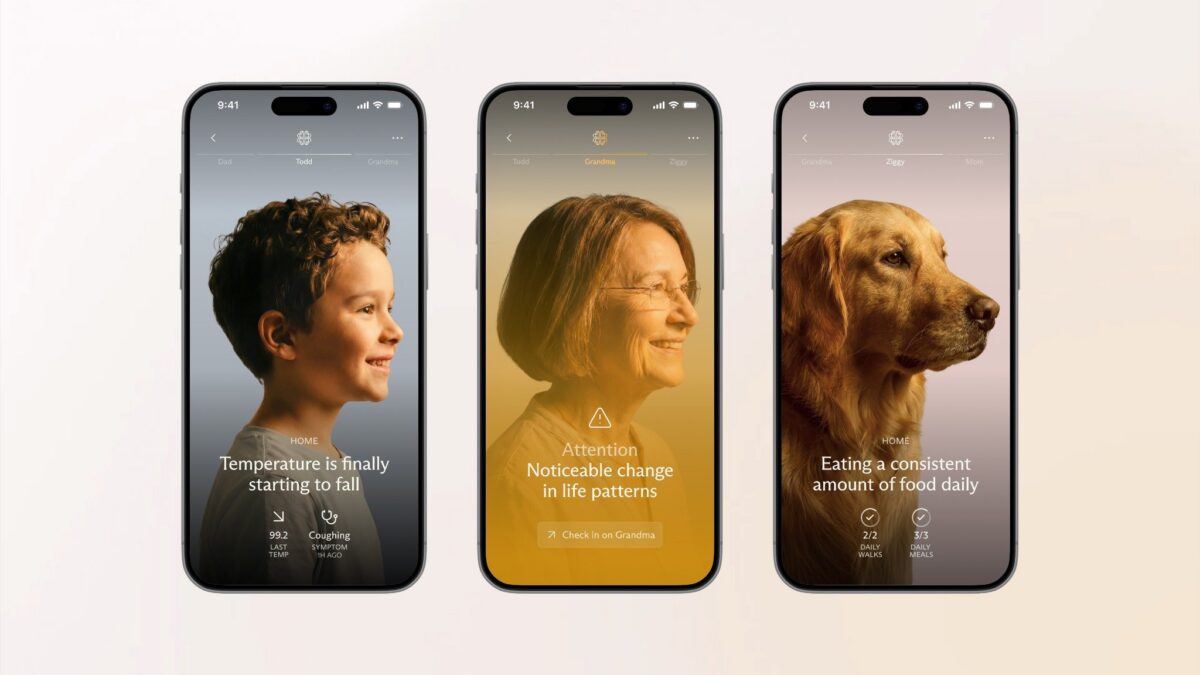
The interesting part is not only the hardware. Link is built to work with Luffu’s wider family-care app, which uses AI to organize health updates, daily patterns, voice notes and alerts. A user can press a button to log symptoms, medication, mood, meals or reminders by voice, while the app turns that scattered information into something a family can actually act on.
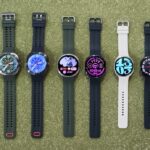
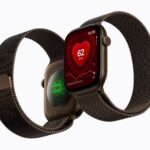
That is a different wearable philosophy. Apple Watch, Fitbit, Oura and Samsung Galaxy Watch products often focus on the individual: activity, sleep, heart rate, readiness and workouts. Luffu Link is more relational. It is designed for caregivers, older adults and families trying to understand whether something has changed before a small health issue becomes a bigger one.
The LTE connection matters because safety wearables often fail at the exact moment a phone is missing, dead or out of reach. Link can send location and health context to trusted contacts, and it includes GPS-based awareness so family members can be alerted when movement patterns change or help is needed.
There is a large market behind this. Family caregiving is emotionally heavy and operationally messy. People are tracking medications in messages, doctor visits in calendars, symptoms in memory, and urgent updates through phone calls. A wearable that quietly captures signals and turns them into useful context could reduce some of that burden.
The privacy question will be unavoidable. A device designed to help families can quickly become a device that feels like surveillance if consent, control and data-sharing boundaries are weak. Luffu will have to prove that it can make people safer without making them feel watched.
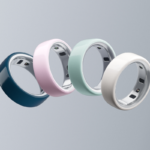
This launch also lands at a time when smart rings, watches and screenless wearables are becoming more serious health platforms, a shift that also sits inside the wider AI hardware race now pulling in phones, glasses, rings and smaller ambient devices. The reported Oura IPO push shows that investors now see body data as a business layer, not just a gadget category.
Luffu Link may not become a mass-market wearable immediately. But it is a smart move from founders who understand why wearables win: they have to disappear into daily life while still being useful when it matters.
Related Reading
More contextual TechBooky stories selected from tags, categories and article context.
Paul Balo is the founder of TechBooky and a highly skilled wireless communications professional with a strong background in cloud computing, offering extensive experience in designing, implementing, and managing wireless communication systems.
We use cookies to ensure that we give you the best experience on our website. If you continue to use this site we will assume that you are happy with it.