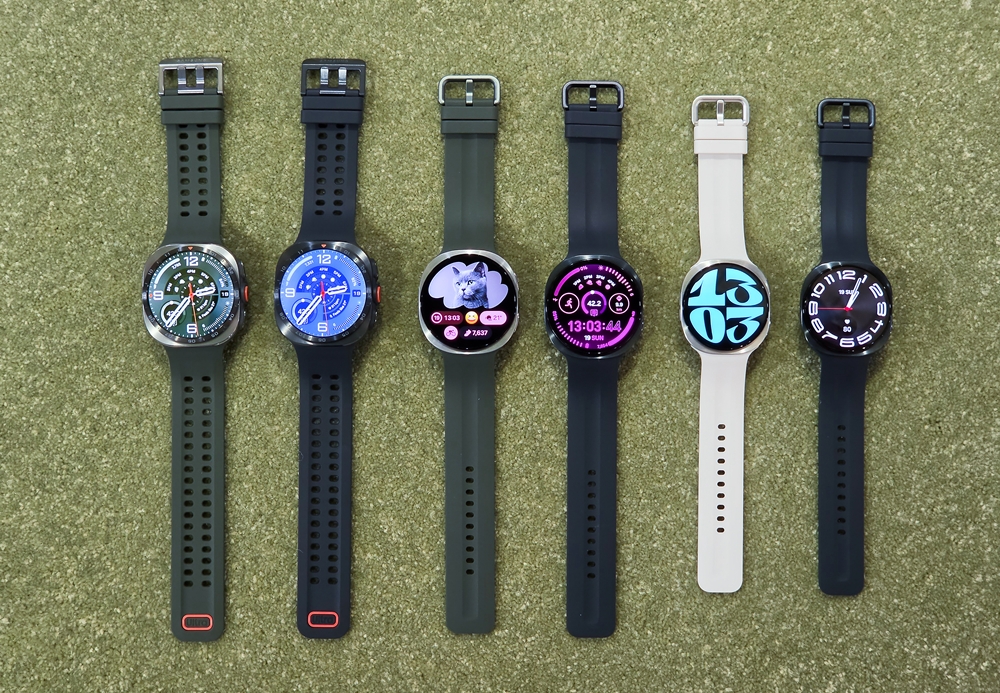
Samsung has also refreshed its wearable line at Galaxy Unpacked in London with Galaxy Watch Ultra2 and Galaxy Watch9, two devices that show how serious the company has become about health data, training and AI-powered wellness.
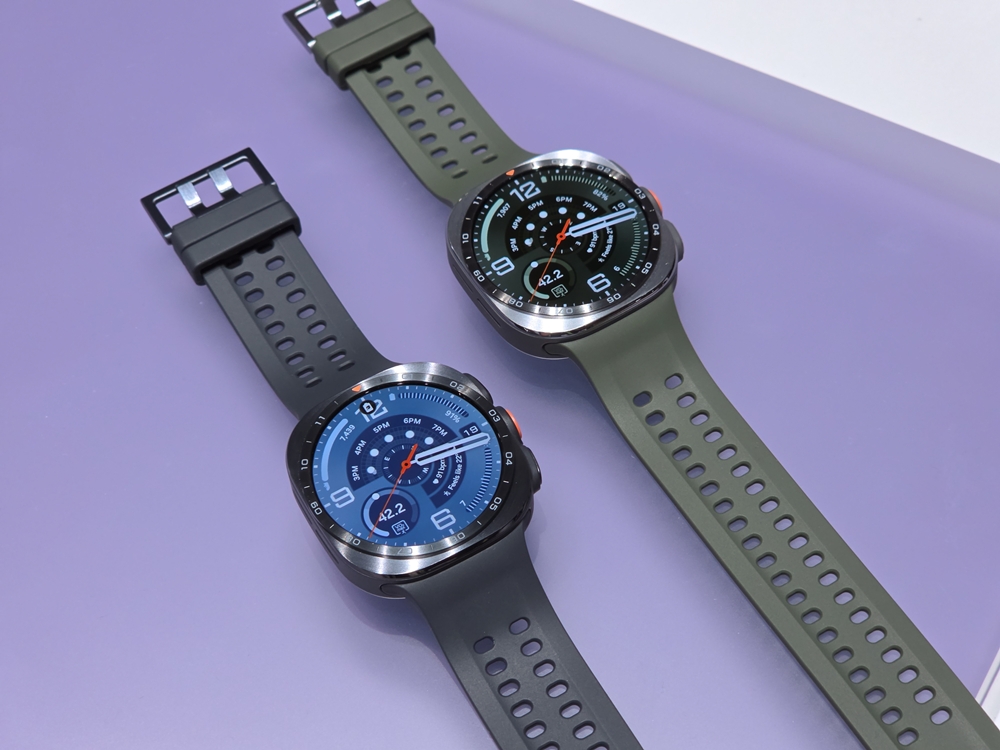
The Galaxy Watch Ultra2 is the more rugged and performance-driven of the two. Samsung says it is the first Galaxy Watch powered by Qualcomm’s Snapdragon Wear Elite platform and includes an 800mAh battery, 35 percent more capacity than the previous generation. It also reaches up to 5,000 nits of brightness, a level Samsung describes as a first for a smartwatch, which should matter for runners, cyclists and outdoor users who need clear visibility under harsh light.
The watch comes in a 47mm size and is aimed at high-intensity sports and outdoor activity. Even with the larger battery, Samsung says the Watch Ultra2 is 12 percent thinner than the previous generation, while a new band with an air-pocket structure is 26 percent lighter. The point is obvious: Samsung wants Ultra-level endurance without making the device feel heavier on the wrist.
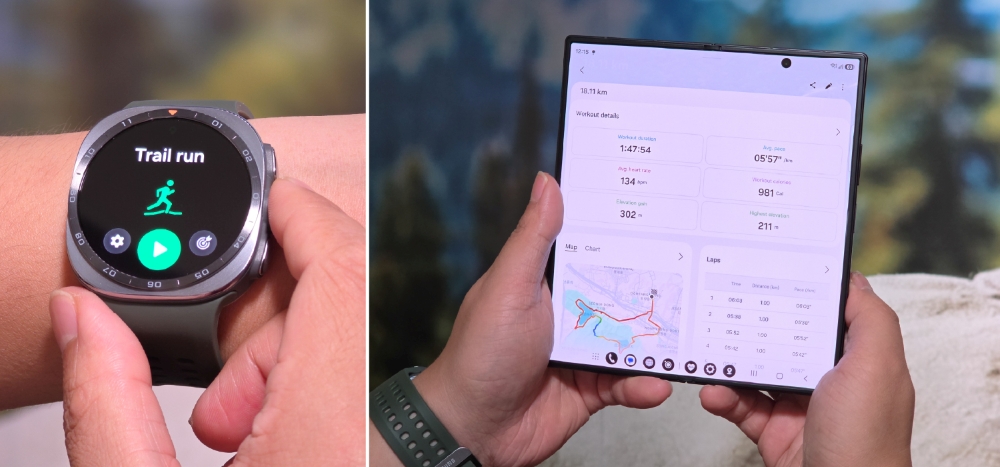
Galaxy Watch Ultra2 introduces Trail Run, a feature designed to show elevation, climbing progress and cumulative ascent and descent in real time. It is built for users who do not just want distance and heart rate, but context around terrain and workout intensity. Hydration guidance has also been added to Nutrition Alert, using sweat loss relative to body weight to recommend fluid intake during longer sessions.
The Ultra2 is also going deeper into water activity. Samsung says the watch can automatically record depth, dive time and water temperature when a user enters the water. It carries EN13319 certification for diving instruments, 10ATM water resistance and an IP69K rating for dust and water resistance. Samsung also says advanced diving features will arrive later this year through a collaboration with global diving equipment brand Mares.
This is where the wearable market is heading. Step counts and basic heart-rate tracking are no longer enough at the premium end. Garmin, Apple, Samsung and other players are competing on whether a watch can become a training coach, recovery guide and early health signal system. Samsung’s new watch lineup is clearly built for that fight.
The Galaxy Watch9 is the more mainstream device, but it still gets important upgrades. Samsung says it uses the same Snapdragon Wear Elite platform and carries a 390mAh battery on the 40mm model, which is 20 percent larger than the previous generation. It will be available in 40mm and 44mm sizes and is positioned around everyday health management, sleep, recovery, fitness and cardiovascular signals.
Samsung Health is now organized around five pillars: Activity, Mindfulness, Nutrition, Sleep and Vitals. The company says the upgraded Sleep Apnea feature uses an AI algorithm to analyse breathing disruptions per hour and classify them into three levels. Samsung is also reminding users that its earlier sleep apnea detection work received the world’s first De Novo authorization from the U.S. Food and Drug Administration in 2024.
The Watch9 also builds a personalized baseline using signals such as heart rate, heart-rate variability, respiratory rate, skin temperature and blood oxygen saturation. Heart Health Score combines activity, sleep, body composition and stress trends into a snapshot of cardiovascular condition, while Fitness Index and Daily Cardio Load are designed to help users understand whether they are training enough, too little or too hard.
The watches are not being launched in isolation. Samsung is tying them to Galaxy AI, the new Galaxy Z Fold8 series and its newly announced intelligent eyewear. That makes the watch another sensor layer in a wider personal AI system, gathering health and routine data that can help the phone and other devices offer more contextual assistance.
That ambition comes with responsibility. Health insights from wearables can be genuinely useful, but they also need careful framing. A smartwatch is not a doctor, and Samsung’s own notes make clear that feature availability, accuracy and medical use can vary by market, condition and regulatory approval. The smarter these devices become, the more important clear user consent and transparent data handling become.
U.S. pricing starts at $699.99 for Galaxy Watch Ultra2 and $379.99 for Galaxy Watch9, with preorders opening today and shipping beginning August 7. Those prices put Samsung close to Apple and Garmin territory, which means the health and battery upgrades will need to feel practical, not just impressive on a spec sheet.
For now, Galaxy Watch Ultra2 looks like Samsung’s strongest play for serious athletes and outdoor users, while Galaxy Watch9 is built for people who want daily health tracking without the bulk of an Ultra device. Together, they show Samsung pushing wearables away from simple notifications and into proactive health intelligence.
That shift connects naturally with earlier smartwatch health moves, including Samsung’s work around health alerts and advanced sensors, such as its research into fainting prediction on Galaxy Watch hardware. With Watch Ultra2 and Watch9, the company is trying to turn that broader health story into a more complete consumer product.
Related Reading
More contextual TechBooky stories selected from tags, categories and article context.
Paul Femi Balo is the founder and publisher of TechBooky. He covers artificial intelligence, African technology, digital infrastructure, enterprise technology and the global digital economy.
We use cookies to ensure that we give you the best experience on our website. If you continue to use this site we will assume that you are happy with it.