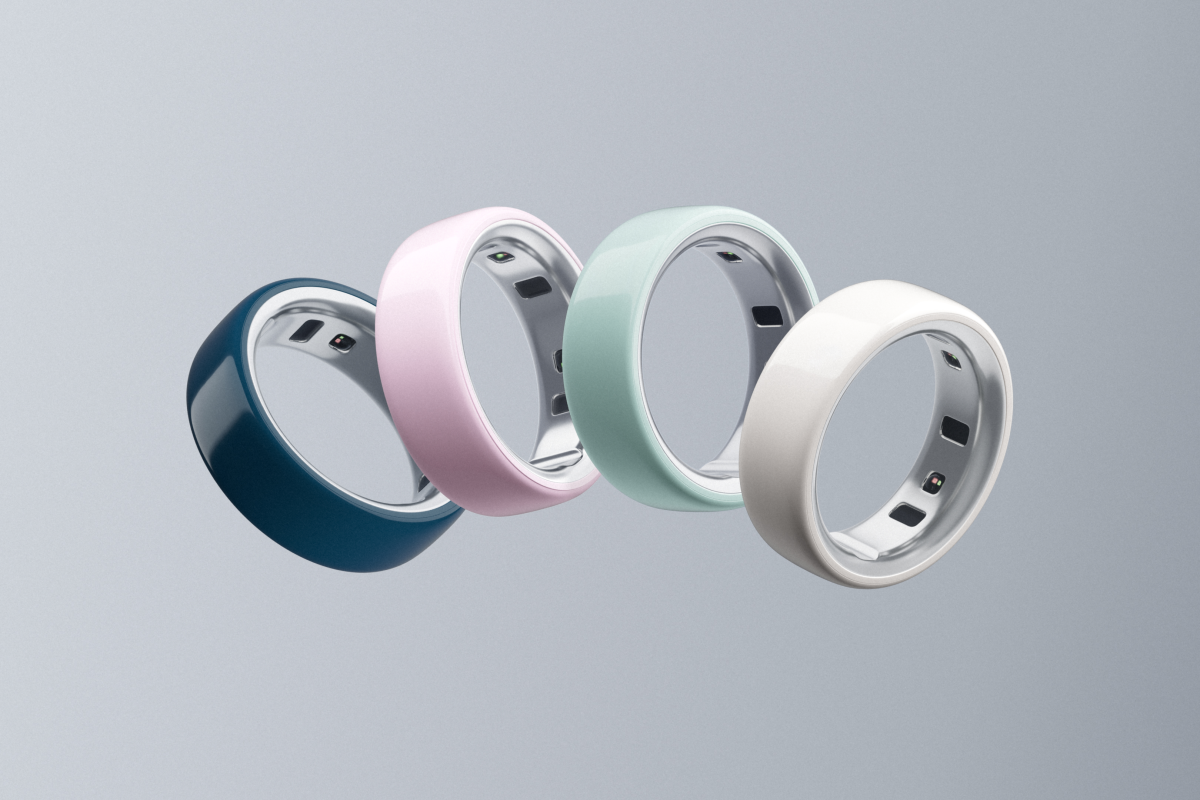
Oura’s reported IPO plan says a lot about where consumer health technology is heading. The smart ring is no longer being treated as a niche gadget.
The company is reportedly eyeing a September listing that could value it at more than $16 billion, a major jump from the valuation it reached in its last large private funding round. TechCrunch and other market reports say the company could seek to raise as much as $3 billion if the deal moves ahead.
That valuation would be a strong signal that investors see Oura as more than hardware. The real business is the health data, subscription layer and long-term relationship with users who wear the ring every day. In that sense, Oura is trying to become a quiet platform on the body.
The timing is not accidental. Wearables are moving from step counts and sleep scores into broader health signals, recovery tracking, readiness, stress, metabolic insights and AI coaching. Apple, Google, Samsung, Whoop and others all want a bigger role in the personal health loop. Oura’s argument is that a ring can be less intrusive than a watch and easier to wear all day and night.
That simplicity is also its risk. Smart rings have fewer screens, fewer visible interactions and less room for obvious daily utility. A smartwatch can run apps, show notifications, take calls and process payments. A ring has to justify itself through data quality, comfort and trust.
Trust may become the most important part of the IPO story. As health wearables gather more sensitive information, users will care about accuracy, privacy, medical boundaries and how much of their body data gets turned into commercial intelligence. This is where AI health products can easily overpromise.
Oura also enters the public-market conversation at a time when investors are again willing to consider large technology listings, especially companies with AI, data or subscription angles. But public investors will ask harder questions than private backers. How fast can Oura grow? How durable is the subscription revenue? How defensible is the data? Can Apple or Samsung squeeze the category?
The broader wearable market still has no single answer to what comes after the smartwatch. We have seen that same uncertainty around AI wearables and health devices, where companies want always-on personal intelligence but users are still deciding what they will actually tolerate.
If Oura pulls off a strong IPO, it could validate smart rings as a major consumer health category. It could also push larger device makers to treat rings as a serious interface for AI health services, not just a fashionable accessory.
The question is whether Oura can keep the intimacy of a small, personal device while operating like a public platform company. That balance will define the next phase of the smart ring market.
Related Reading
More contextual TechBooky stories selected from tags, categories and article context.
Paul Balo is the founder of TechBooky and a highly skilled wireless communications professional with a strong background in cloud computing, offering extensive experience in designing, implementing, and managing wireless communication systems.
We use cookies to ensure that we give you the best experience on our website. If you continue to use this site we will assume that you are happy with it.