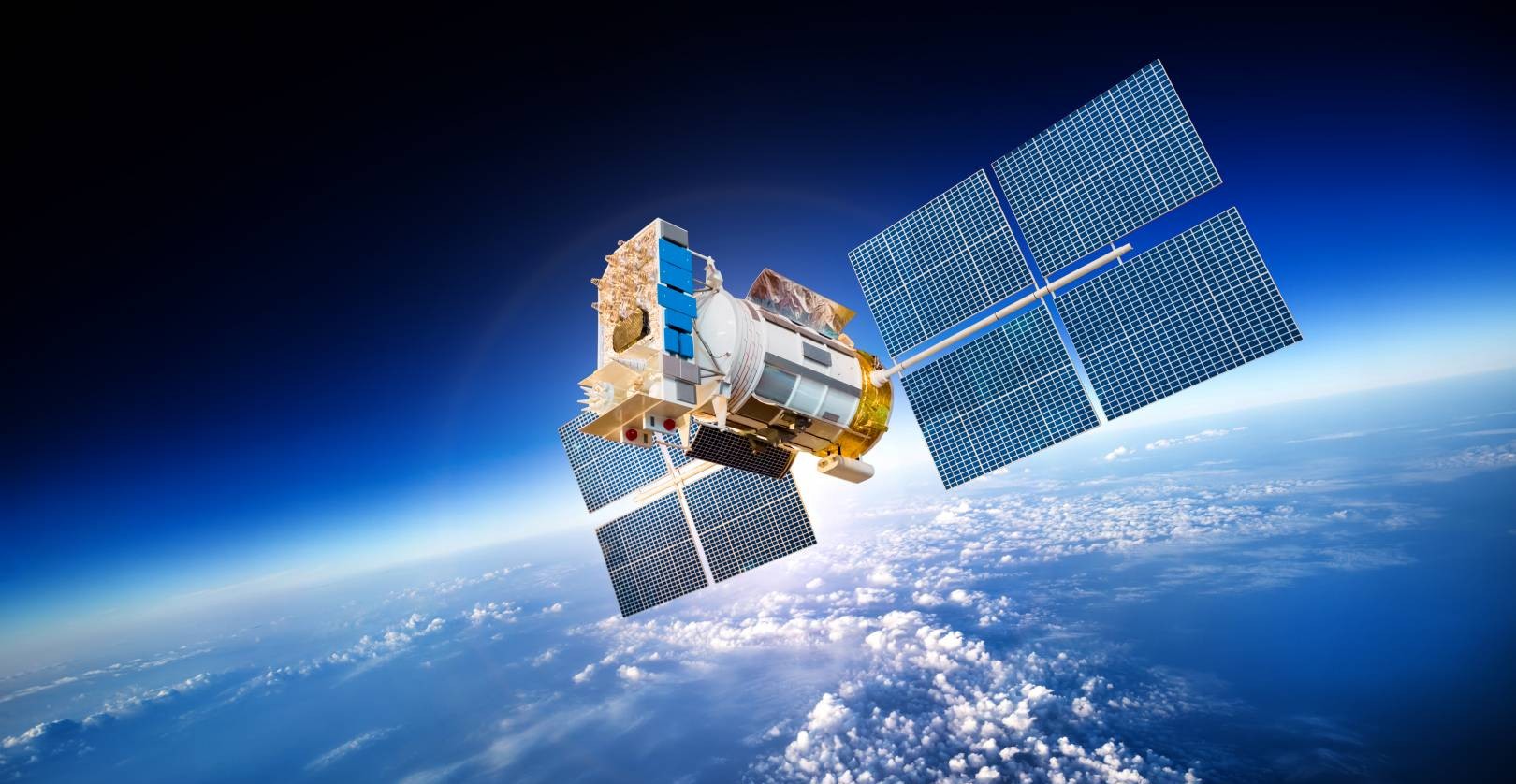
France is looking more closely at Nigeria’s space ambitions, and the timing says a lot about where the global space economy is heading. BusinessDay reported today that France sees potential in Nigeria’s growing space programme, although formal bilateral cooperation between the two countries has not yet begun.
Nigeria already has an established space agency in NASRDA , while Africa’s wider space coordination is becoming more visible through the African Space Agency . The opportunity is no longer only about launching satellites for prestige. It is about communications, earth observation, climate monitoring, agriculture, security, mapping and digital infrastructure.
The European context matters too. France and other European countries are trying to reduce dependence on the United States in space, especially as launch capability, satellite networks and strategic autonomy become more important. The European Space Agency and France’s CNES remain central to Europe’s space ambitions, but Europe is also looking for stronger international partnerships.
Nigeria is a logical partner if the country can turn ambition into capability. It has a large population, a serious connectivity gap, an agriculture sector that needs better data, security challenges that require geospatial intelligence and a growing digital economy that depends on better communications infrastructure.
Satellites are already becoming more relevant across Africa. Starlink’s expansion into Uganda and other African markets shows how low-earth-orbit connectivity can reach places where fibre and towers are difficult. But foreign satellite services are only one side of the story. African countries also need more control over data, ground infrastructure, regulation and local technical capacity.
That is why France’s interest should be read carefully. A good partnership could help with training, satellite data use, launch access, research, climate applications and industrial cooperation. A weaker partnership would simply make Nigeria another market for foreign space services. The difference will depend on how much capability is transferred and how much local industry is developed.
The African space calendar is also becoming more active. ASPEX 2026, the Africa Space Expo, is scheduled for September 24 to 26 in Abidjan under the African Union, the African Space Agency and Cote d’Ivoire’s space authorities. That event shows that African space policy is moving from scattered national efforts toward a more continental conversation.
For Nigeria, the priority should be practical. Space ambition should support broadband expansion, disaster response, weather intelligence, agriculture, border monitoring and the digital economy. It should also link with the broader infrastructure debate around technology sovereignty and global competition, because satellites are now part of the same strategic map as AI, chips and cloud.
France’s interest is therefore useful, but Nigeria should not treat it as validation by itself. The real prize is not a headline about cooperation. It is building a space capability that helps citizens, strengthens infrastructure and gives Nigeria a stronger position in Africa’s next digital economy.
Related Reading
More contextual TechBooky stories selected from tags, categories and article context.
Paul Femi Balo is the founder and publisher of TechBooky. He covers artificial intelligence, African technology, digital infrastructure, enterprise technology and the global digital economy.
We use cookies to ensure that we give you the best experience on our website. If you continue to use this site we will assume that you are happy with it.