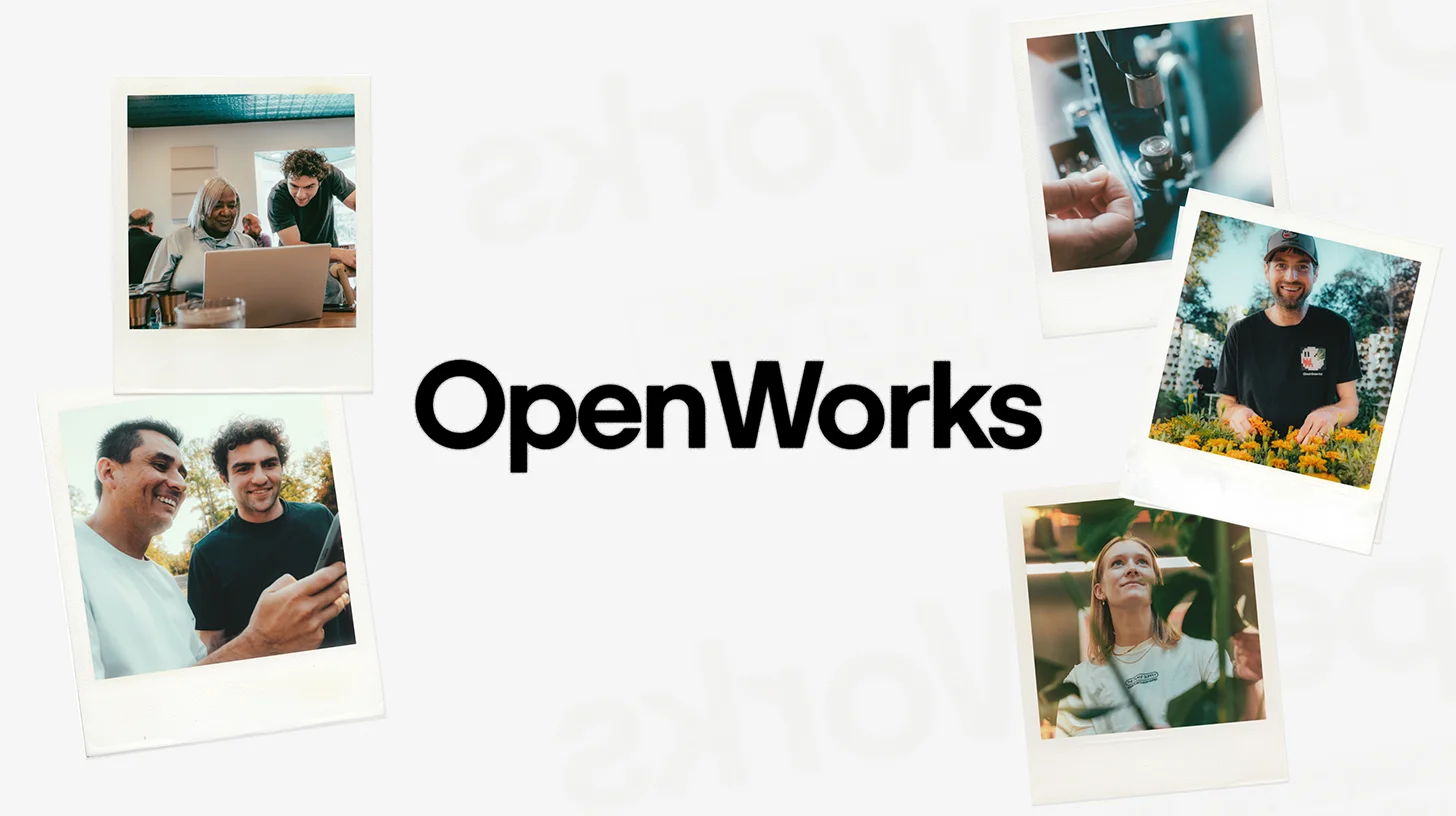
OpenAI has launched OpenWorks, a US pilot that pairs independently owned small businesses with local AI practitioners for free, hands-on support. The company says it will fund and equip the partners, who can receive a monthly stipend of up to $8,000, while participating businesses get practical help and three months of ChatGPT Business at no cost.
The programme is a different approach to AI adoption from simply offering another subscription. On its OpenWorks page, OpenAI says a partner could help a shop find new customers, create a campaign or build a tool staff can continue using after the coaching ends. The business chooses the problem; the partner works alongside its owner and employees.
How the OpenWorks pilot works
OpenAI is recruiting technically skilled individuals, small teams and software or AI consultancies as local partners. Partners are expected to spend days each month working directly with businesses and to hold a monthly community workshop. The advertised stipend is up to $8,000 per month, not a guaranteed payment for everyone who applies. OpenAI also provides tools, resources and workshop support.
For business owners, the pilot offers one-to-one guidance and practice with the tools they already use. OpenAI says no technical experience is required. Its examples include a Fargo gift shop that used a custom inventory dashboard, a Charleston grower who improved prospecting for restaurant customers, and a gift-wrap company that used AI to reconcile purchase orders and shipping records. These are company-reported case studies, not independently verified measures of the programme’s overall effectiveness.
The pilot currently spans 20 communities, including Chicago, New York, Los Angeles, Houston and Atlanta. It is open to independently owned US restaurants, retailers, service firms and manufacturers. Software and SaaS companies, venture-backed firms and private-equity-owned businesses are excluded, according to the programme page. OpenAI does not list a rollout for Africa, the UK or other international markets.
Many small firms can see potential uses for AI but lack the time or expertise to set up a reliable workflow. A working inventory tracker or a repeatable process for handling invoices may be more valuable than a general demonstration of a chatbot. OpenWorks tries to close that gap through local assistance, while giving OpenAI a route into businesses that may not otherwise buy a team subscription.
The model also raises practical questions. Owners will need to decide which records a partner and AI tools may access, verify any customer-facing output, and ensure they can maintain a tool once the hands-on support ends. Three free months of ChatGPT Business may ease the first step, but the ongoing cost and value after that period will matter to smaller firms.
For now, OpenWorks is a limited US pilot rather than a universal small-business offer. Its significance is the shift from selling access to AI towards funding people who can turn that access into useful work. If the approach succeeds, the results may offer a model for bringing AI skills to local businesses in other markets, but OpenAI has not announced such an expansion.
Related Reading
More contextual TechBooky stories selected from tags, categories and article context.
Paul Femi Balo is the founder and publisher of TechBooky. He covers artificial intelligence, African technology, digital infrastructure, enterprise technology and the global digital economy.
We use cookies to ensure that we give you the best experience on our website. If you continue to use this site we will assume that you are happy with it.