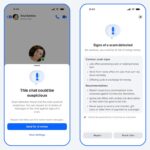
Orange Sierra Leone has launched a Scam Alert Tool, and the move is a useful reminder that African telecom operators are becoming frontline fraud-protection companies, not only connectivity providers.
The tool is designed to help customers check suspicious phone numbers and report possible scam attempts. Orange Sierra Leone’s own Scam Alert portal lets users enter a phone number to verify whether it has been reported, while also giving customers a way to submit fraud reports.
The launch comes as mobile fraud remains a persistent problem across African markets. As more people use mobile money, digital banking, social commerce and app-based services, scammers have more opportunities to trick users through calls, SMS messages, fake promotions and impersonation.
For telcos, this is no longer a peripheral issue. If customers believe their mobile numbers and money wallets are unsafe, trust in digital services suffers. A fraud alert tool may look simple, but it helps shift some protection closer to the point where scams happen: the phone call or message a customer receives.
The practical value depends on adoption. A scam database is only useful if customers report bad numbers and if the operator keeps the system updated. Fraudsters can also change numbers quickly, so the tool cannot be the only layer of protection. But it can give users a first check before sending money, sharing an OTP or responding to a suspicious request.
Orange Sierra Leone is not alone in facing this problem. Across the continent, telecom operators and mobile money providers are fighting social-engineering attacks that exploit trust, urgency and confusion. Scammers often pretend to be customer-service agents, relatives, employers, prize organisers or bank officials.
That is why user education has to sit beside the technology. Customers should be reminded never to share PINs, passwords or one-time passwords, even with someone claiming to represent a telecom operator or bank. Reporting tools help, but the strongest defence is a user who knows when to stop and verify.
We have seen similar trust issues around African digital finance, including the Zenith Bank data incident and South Sudan’s push to build stronger digital payment rules. As financial services move deeper into mobile channels, fraud prevention becomes part of the infrastructure.
There is also an opportunity here. If operators share verified fraud patterns with regulators, banks and mobile money providers, they can build faster warning systems across the ecosystem. A scam reported on one network may eventually help protect customers on another if the industry collaborates properly.
For now, Orange Sierra Leone’s tool is a small but practical step. It will not eliminate mobile fraud, but it gives customers a place to check, report and pause before reacting. In a market where one convincing call can cost someone their savings, that pause can matter.
Related Reading
More contextual TechBooky stories selected from tags, categories and article context.
Paul Balo is the founder of TechBooky and a highly skilled wireless communications professional with a strong background in cloud computing, offering extensive experience in designing, implementing, and managing wireless communication systems.
We use cookies to ensure that we give you the best experience on our website. If you continue to use this site we will assume that you are happy with it.