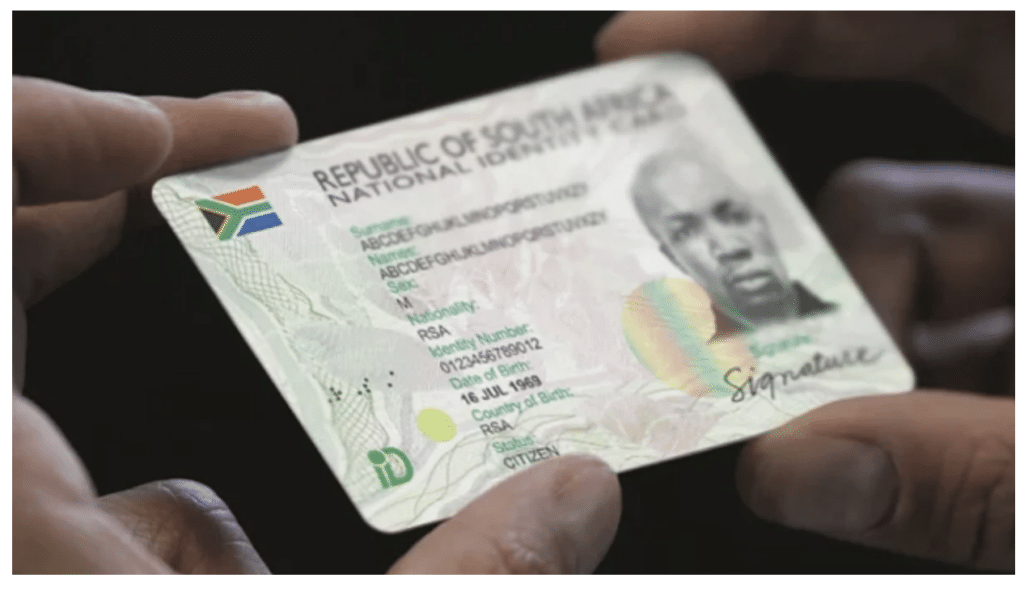
South Africa is moving to make SIM cards a stronger part of the country’s digital identity system, a reform that could change how mobile numbers are verified, how fraud is fought and how citizens interact with banks, telecom operators and digital services.
TechCabal reported that South Africa is overhauling its SIM registration system to strengthen identity verification and curb digital fraud. The reforms follow an urgent March meeting led by Justice and Constitutional Development Minister Mmamoloko Kubayi with telecom operators, regulators and law enforcement agencies over weaknesses in the country’s SIM registration regime.
The idea is simple but powerful: in modern digital life, a phone number is already treated as a kind of identity layer. It is used for banking alerts, one-time passwords, WhatsApp access, account recovery, ride-hailing, delivery apps, mobile money, social platforms and public services. If that identity layer is weak, fraud follows.
SIM registration laws were originally framed around law enforcement and communications traceability. But the role of a SIM card has changed. A mobile number is now part of the security architecture of everyday life. If criminals can get pre-registered SIM cards, impersonate users or hijack numbers through SIM swaps, they can break into accounts that depend on SMS or phone-number verification.
That is why South Africa’s telecom industry wants tighter registration controls. According to an official Justice Department statement after the March RICA meeting, ICASA, the department and law enforcement agencies were expected to work with licensees on regulatory and enforcement issues linked to SIM registration.
The long-term goal is not only to register SIMs better, but to restore trust in the mobile number itself. That matters for banks, fintechs, e-commerce platforms, insurers, government portals and any service that assumes the person holding a number is the rightful owner.
South Africa is also developing a broader digital identity framework. Home Affairs Minister Leon Schreiber reportedly told stakeholders that the department’s identity verification systems, already used by banks, could strengthen SIM registration and support the country’s digital ID ambitions.
This is where the reform becomes more interesting. If SIM registration is connected to stronger identity verification, a phone number could become a more trusted credential across private and public services. That could reduce fraud, make onboarding faster and help more people access digital services without repeatedly submitting documents.
Africa is moving quickly into this kind of identity infrastructure. Recent digital government stories, from Uganda’s cybersecurity framework to Rwanda’s eKash digital currency work, show that the next phase of African technology will be built around trusted identity, secure payments and resilient public platforms.
The strongest argument for SIM-linked identity is fraud prevention. The strongest concern is privacy. When a phone number becomes a stronger identity credential, the system handling that data must be tightly governed. Poor design could create new surveillance risks, data leaks or exclusion for people whose documents, addresses or biometric records are incomplete.
South Africa’s framework will operate under the Protection of Personal Information Act. The country’s Information Regulator says POPIA is meant to establish minimum conditions for lawful processing of personal information by public and private bodies. That matters because telecom identity data is sensitive: names, ID numbers, addresses, biometrics, location-adjacent records and account histories can all become high-value targets.
The government and operators will therefore need to prove that stronger verification does not become unnecessary data collection. A good system should verify identity without exposing more information than needed. It should also give users clear rights when data is wrong, misused or compromised.
The biggest risk is exclusion. If registration becomes too strict or too complex, people without stable addresses, updated documents or easy access to verification centres may struggle to activate mobile services. In a country where mobile access is essential for jobs, banking and communication, that would be a serious problem.
There is also the risk of creating a single point of failure. A more trusted SIM identity system becomes more valuable to attackers. If fraudsters compromise the registration process, bribe insiders or breach operator databases, the damage could be larger because more services would trust that number.
Finally, there is the question of implementation. Consumers may not notice immediate changes, and the Association of Communications and Technology has not fully disclosed how the new verification process will work. The details will matter: whether checks are biometric, database-based, in-store, app-based or tied to government digital ID rails.
South Africa is right to treat SIM identity as critical infrastructure. Fraud has moved into the mobile layer, and old registration processes are no longer enough for a digital economy where the phone number often unlocks money, accounts and personal data.
But a trusted SIM system must be built carefully. It needs strong privacy rules, independent oversight, practical access for ordinary users, protection against insider abuse and clear procedures for fixing mistakes. Otherwise the cure could create new risks.
If implemented well, South Africa could offer a model for African markets trying to balance digital identity, telecom growth and fraud prevention. The lesson is broader than one country: the mobile number has become infrastructure, and infrastructure needs trust.
Related Reading
More contextual TechBooky stories selected from tags, categories and article context.
Paul Balo is the founder of TechBooky and a highly skilled wireless communications professional with a strong background in cloud computing, offering extensive experience in designing, implementing, and managing wireless communication systems.
We use cookies to ensure that we give you the best experience on our website. If you continue to use this site we will assume that you are happy with it.