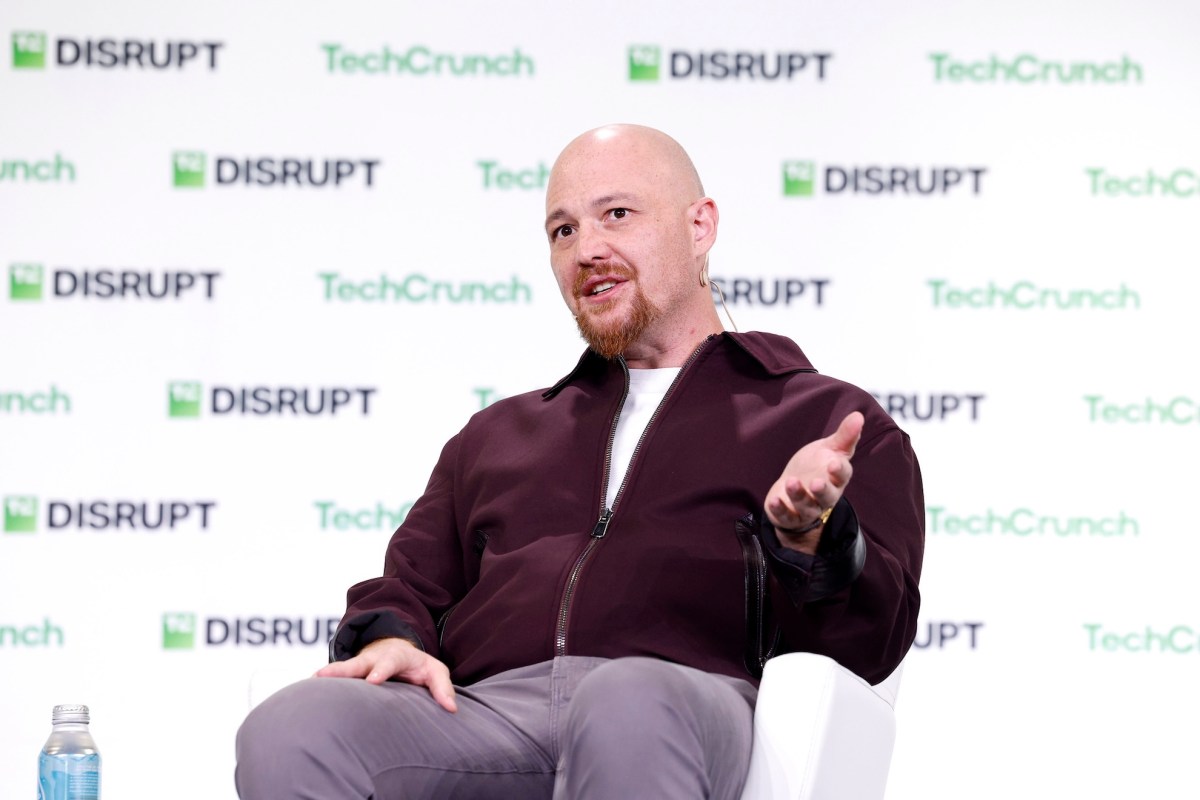
Replit CEO Amjad Masad says the AI coding platform is no longer working with Anthropic, a striking claim given the role Claude models have played in Replit Agent. But the status of the relationship is not settled publicly. A person familiar with it disputed Masad’s account, and Replit materials from late September still described Claude models in production.
Masad made the remarks during a TechCrunch Disrupt interview reported on October 16. He pointed to cost, performance and the strength of Replit’s partnership with OpenAI as reasons for preferring the latter. His assessment was that OpenAI’s Sol and Astra models performed better on the company’s app-building benchmarks.
The distinction between a commercial partnership and the models used in a product is important here. TechCrunch reported that one person familiar with the Replit-Anthropic relationship said it remained in place. Replit’s own late-September product materials also cited Claude Fable 5 and 5.1 in the Agent production environment. Those references do not prove the present contractual position, but they make it premature to say that Claude has been fully removed from the platform.
Neither Replit nor Anthropic has supplied a clear public account of precisely what has changed in model availability, procurement or contractual terms. Until they do, Masad’s statement should be reported as his account, not as independent confirmation that every Anthropic integration has ended. Developers should check current model options inside their own Replit workspace rather than assuming a particular model has disappeared.
AI coding products are unusually sensitive to inference cost. An agent may spend many steps reading files, writing code, running tests and trying again. Even a modest difference in model price or latency can become material across millions of sessions. At the same time, a cheaper model is not a bargain if it makes more mistakes or requires more retries. That is why Replit says it measures performance on the actual work its users do.
OpenAI has publicly described its work with Replit, including GPT-5.6 Luna powering a free mode and the ability to route more demanding tasks to GPT-5.6 Sol. This gives Replit an alternative model supplier for a product that must balance access, speed and quality. TechBooky has also covered the intensifying competition among AI coding platforms, where the underlying model has become a commercial decision as well as a technical one.
For Anthropic, the episode illustrates how quickly an AI lab can lose influence when a large software partner thinks another supplier offers a better combination of price and performance. For OpenAI, it is a chance to turn model improvements into distribution through a popular developer product. For Replit users, the relevant question remains practical: which models are available now, and do they produce better applications at a sustainable cost?
The headline may evolve if either company clarifies the relationship. For now, the strongest established facts are Masad’s public remarks, Replit’s OpenAI partnership and the conflicting account reported by TechCrunch. Anything more definitive would outrun the evidence.
Related Reading
More contextual TechBooky stories selected from tags, categories and article context.
Paul Balo is the founder of TechBooky and a highly skilled wireless communications professional with a strong background in cloud computing, offering extensive experience in designing, implementing, and managing wireless communication systems.
We use cookies to ensure that we give you the best experience on our website. If you continue to use this site we will assume that you are happy with it.