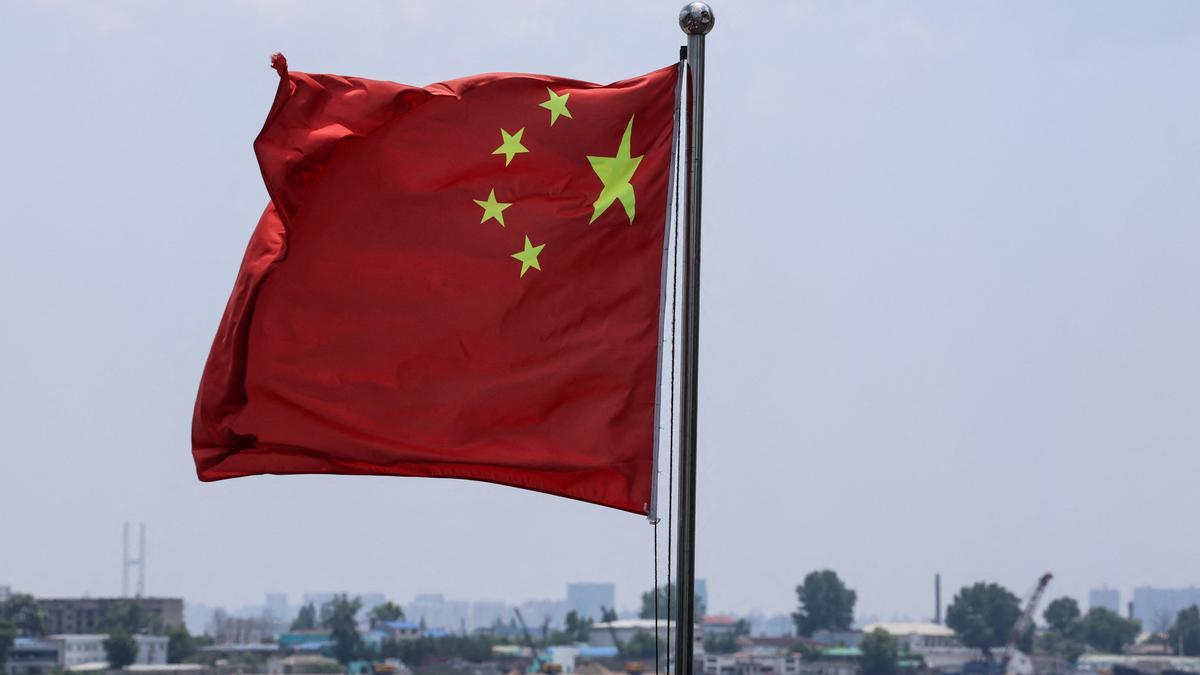
China is considering a wider gate around the export of advanced technology, including artificial intelligence models and chip design. The key distinction is timing is that the expanded control list is a proposal open for public comment, while a temporary registration requirement for relevant technology exports took effect on October 16.
In a notice published by the Ministry of Commerce, Beijing set out 40 technologies for possible additions to its export control catalogue. Twenty-three are AI-related, five concern biomedicine and 12 relate to solar technology. The consultation runs until November 15, making it too early to describe all 40 items as a final ban.
The AI entries reach beyond a single model or chip. They address technologies used to develop, train and deploy advanced systems, including agent-related capabilities and parts of the semiconductor supply chain. If adopted, the changes could require Chinese developers and suppliers to obtain permission before transferring covered know-how abroad. The precise impact will depend on the final catalogue and how officials apply it.
The ministry also drew a useful boundary in its official explanation. Technology that is publicly available or open source is not treated in the same way as a controlled transfer of proprietary know-how. Simply offering an AI model to overseas users through an app, API or software service would generally not, by itself, count as exporting the underlying model technology. That matters for companies selling access globally without handing over the technology behind it.
Exporters cannot ignore the announcement while the consultation is under way. A temporary pre-export registration measure for relevant technologies is already operating. Registration is a distinct step from a final licence decision, and it should not be confused with an outright prohibition on overseas access to Chinese AI products.
The move adds another layer to the contest over who can build and commercialize AI systems. Washington has restricted exports of advanced chips to China; Beijing is now examining how to retain leverage over its own fast-growing AI and technology base. TechBooky has previously explored how Chinese open-weight models are changing the market, a trend that makes the proposed distinction between open access and technology transfer especially important.
For businesses outside China, the practical questions are whether their contracts involve transferring protected technical knowledge, whether they need registration before an export, and what the final catalogue says after consultation. For now, the responsible headline is not that China has banned AI exports. It is that China has proposed a broader control framework and has started collecting information on potentially covered transfers.
Related Reading
More contextual TechBooky stories selected from tags, categories and article context.
Paul Balo is the founder of TechBooky and a highly skilled wireless communications professional with a strong background in cloud computing, offering extensive experience in designing, implementing, and managing wireless communication systems.
We use cookies to ensure that we give you the best experience on our website. If you continue to use this site we will assume that you are happy with it.