Rivian wants its electric vehicles to support AI agents built by outside companies, extending the in-car assistant beyond commands handled by Rivian’s own software. The idea could let a driver continue a conversation or task that began on another device. It is still a plan, however, not a newly available feature, and Rivian has not given a launch date.
Founder and CEO RJ Scaringe described the direction during a discussion at TechCrunch Disrupt, according to TechCrunch’s October 15 report. He pointed to AI companies such as Anthropic as potential sources of third-party agents, but did not announce an integration with a specific provider. Rivian referred questions about further details to an AI and autonomy event planned for December.
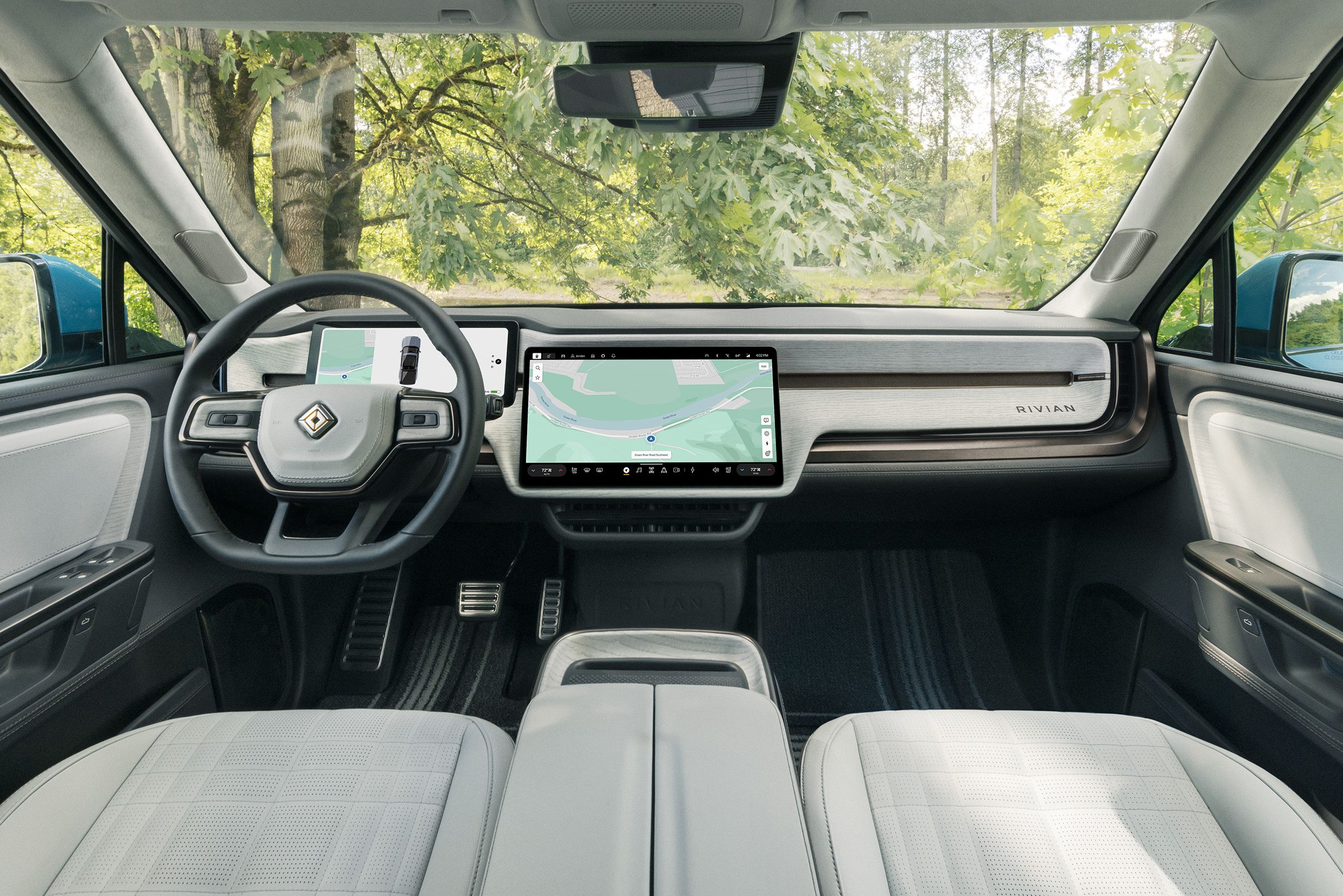
The company already has a voice-activated Rivian Assistant. In Rivian’s description of its software architecture, an in-house agentic framework can work with external apps such as a calendar, while edge models can handle some tasks in the vehicle. The proposed next step is broader; making an outside AI service part of a coherent in-car experience rather than treating it as a separate chatbot screen.
Scaringe’s examples suggest the difference. A driver might ask the car to adjust ventilated seats, then ask an outside assistant to pick up a discussion about planning dinner. Making that feel continuous would require permissions, account connections and a way to pass the right context to the right system. It would also raise questions about what information from the vehicle or a driver’s personal accounts is shared and retained.
Rivian is drawing an important safety boundary. Scaringe said vehicle-level controls such as braking and steering should not be handed to an AI agent. That distinction separates conversational assistance from driving decisions, where an unpredictable response could create immediate physical risk. It also means an outside agent would have to operate within limits set by Rivian’s software rather than acquire unrestricted access to the car.
The announcement is best read as a preview of Rivian’s software strategy, not a promise that Claude or any other named assistant will soon appear in every vehicle. The hard work lies in making agents useful while keeping driving functions protected and data flows intelligible to owners. Rivian has been unifying its software across vehicles through RivianOS 2; the December event may clarify when and how third-party agents fit into that platform.
Related Reading
More contextual TechBooky stories selected from tags, categories and article context.
Paul Balo is the founder of TechBooky and a highly skilled wireless communications professional with a strong background in cloud computing, offering extensive experience in designing, implementing, and managing wireless communication systems.
We use cookies to ensure that we give you the best experience on our website. If you continue to use this site we will assume that you are happy with it.