Onafriq is winding down Baxi, its Nigerian agent banking operation, after concluding that the economics of running a physical agent network no longer work for the group. The decision is significant for merchants and agents, but it is not an exit from Nigeria. Onafriq says it will continue serving the country through its broader payments network and card issuing business.
The company confirmed the decision in a statement reported by Premium Times and Techpoint Africa on October 16. It said inflation, naira depreciation, greater competition and thinner margins had damaged the sustainability of Baxi’s offline model. The growth of instant account-to-account transfers has also changed the types of transactions agents handle.
Baxi agents have been moved to another principal bank, according to Onafriq. The company has asked them to transfer their funds to a preferred principal bank within 30 days and says its teams will support the transition. Staff whose roles are tied to the agent banking business are the employees affected by the closure; Onafriq says they will be consulted and supported.
Those details matter more to customers than a broad claim that Onafriq is shutting down in Nigeria. The announced change concerns one line of business. People using Baxi-related services should follow the company’s direct instructions about accounts and balances, while avoiding unsolicited messages that claim to offer special withdrawal assistance.
Onafriq acquired the Baxi business in 2021 and invested in expanding its reach through 2023. The market then shifted. A weaker currency raised the cost of maintaining physical operations, while competing payment providers fought for the same merchants and transactions. Faster bank-to-bank transfers reduced some of the demand for services that previously brought people to agent outlets.
The closure does not mean that agency banking has ceased to matter in Nigeria. Cash access and assisted payments are still essential for many communities. It does show that national reach alone does not guarantee healthy unit economics for every agent network. A company must pay for devices, support, liquidity management and distribution while earning enough per transaction to keep outlets viable. TechBooky has previously covered how other Nigerian agent networks approach cash access and financial inclusion.
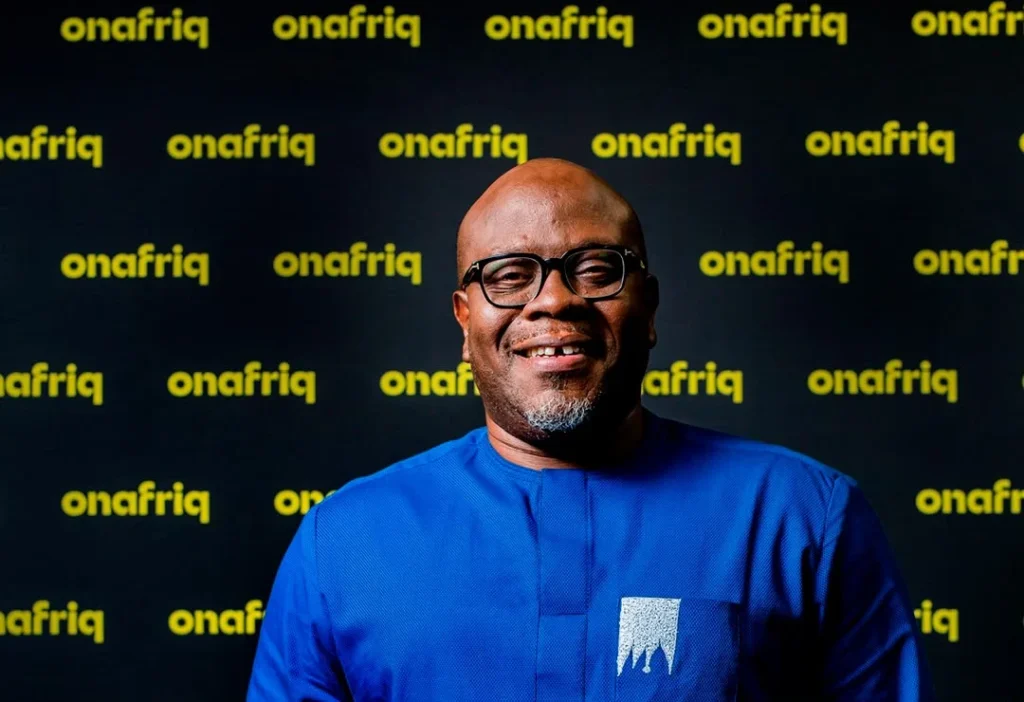
Onafriq founder and CEO Dare Okoudjou said the decision was difficult and acknowledged its effect on colleagues, agents and partners. He also said Nigeria remains central to the group’s mission. The company plans to continue operating as a Payment Solution Service Provider through its payments network and card issuing services.
For the wider fintech market, Baxi is a reminder that the most visible part of a payments business is not necessarily its strongest one. The test now is whether Onafriq can make the transition orderly for the agents and customers who depended on Baxi, while continuing to build the cross-border infrastructure it says is its priority.
Related Reading
More contextual TechBooky stories selected from tags, categories and article context.
Paul Balo is the founder of TechBooky and a highly skilled wireless communications professional with a strong background in cloud computing, offering extensive experience in designing, implementing, and managing wireless communication systems.
We use cookies to ensure that we give you the best experience on our website. If you continue to use this site we will assume that you are happy with it.