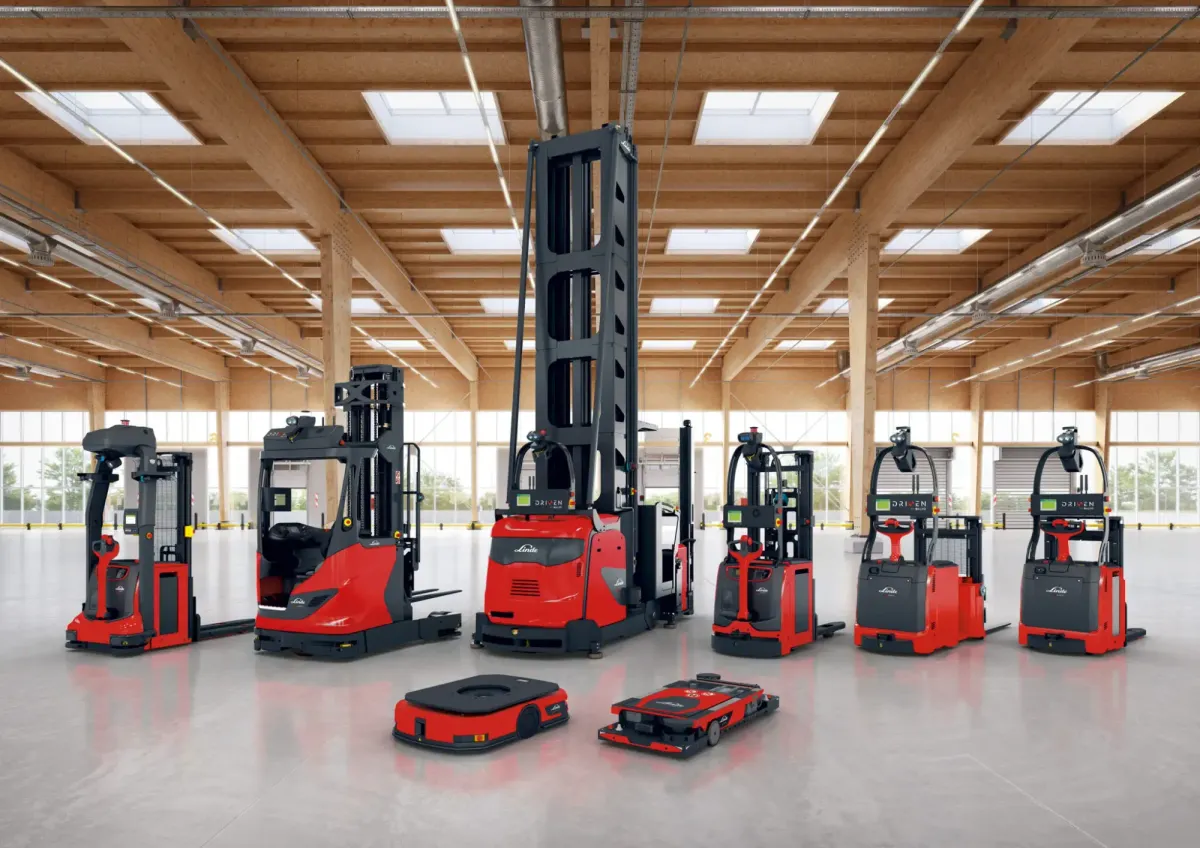
Bisedge has secured a EUR 10 million senior debt investment from Finland’s Finnfund to expand its electric industrial vehicle fleets in Nigeria, Kenya and Tanzania. It is a notable deal for African electric mobility because the vehicles are not aimed at private motorists. They work inside warehouses, factories and logistics sites where replacing diesel equipment can have an immediate effect on operating costs and emissions.
In its October 14 announcement, Finnfund said the funding will help Bisedge deploy more electric forklifts and related material-handling equipment. Finnfund described it as its first electric vehicle investment in Africa. This is debt financing, not a EUR 10 million equity round, and the announcement does not say that Bisedge has raised the same amount in new venture capital.
Bisedge’s business model tackles a practical barrier to electrification. Many industrial customers may be interested in lower fuel and maintenance costs but unwilling to buy an electric fleet outright. The company offers equipment through rental and service arrangements that spread the cost and include operational support. That structure makes the financing behind the fleet particularly important: Bisedge needs capital to acquire equipment before customers pay over time.
The deal also brings Trine, which has backed Bisedge since 2021, into a financing partnership with Finnfund. The two investors say the arrangement is designed to help a growing clean-energy business move from earlier financing toward larger institutional capital. That is relevant well beyond forklifts. African climate-tech firms often need long-duration debt for physical assets, a different funding profile from a software startup raising equity to hire engineers.
Finnfund cites an independent estimate that replacing a diesel forklift with an electric alternative could cut emissions by about 37 tonnes of carbon dioxide per forklift each year in Nigeria. That is an estimate, not a measured outcome for every Bisedge customer. Actual savings will depend on usage, electricity supply and the equipment being replaced. Finnfund says Bisedge employs around 1,000 people and offers training and employment opportunities for women forklift operators.
The next test is execution across three markets; whether Bisedge can keep vehicles charged and serviced, offer reliable uptime and make its rental economics work at scale. TechBooky recently covered Spiro’s debt-backed electric motorcycle expansion. Bisedge addresses a different part of the same transition, showing that African e-mobility can grow through industrial fleets as well as road transport.
Related Reading
More contextual TechBooky stories selected from tags, categories and article context.
Paul Balo is the founder of TechBooky and a highly skilled wireless communications professional with a strong background in cloud computing, offering extensive experience in designing, implementing, and managing wireless communication systems.
We use cookies to ensure that we give you the best experience on our website. If you continue to use this site we will assume that you are happy with it.