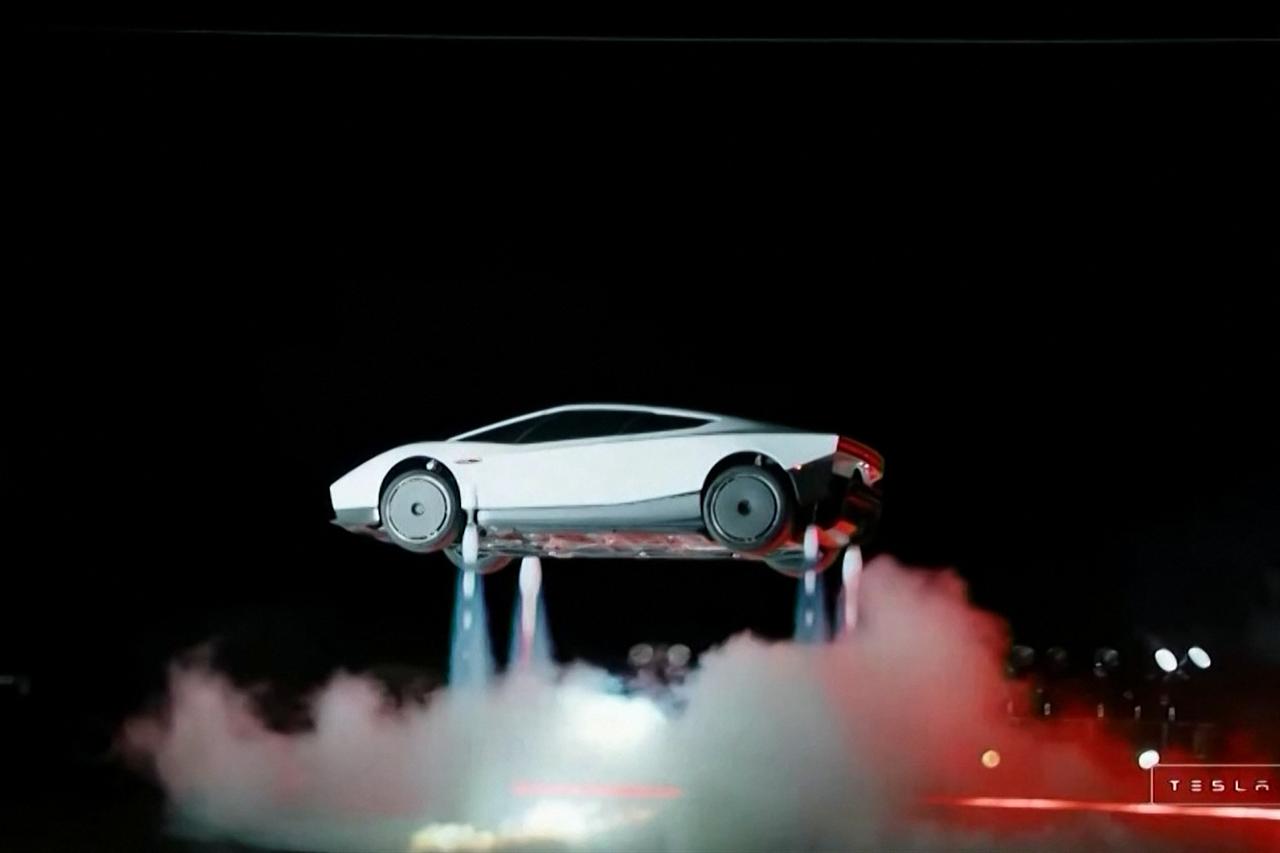
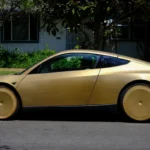
Tesla’s long-promised Roadster has finally left the ground. At a demonstration on October 15 at SpaceX’s test facility in McGregor, Texas, an unmanned prototype climbed a curved structure, crossed through the air, rolled and landed on its wheels. It was an arresting reveal for a car first announced in 2017. It was also a carefully staged test, not proof that customers will soon be able to fly one to work.
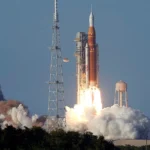
The demonstration used a fan system to help the car cling to the structure and SpaceX-derived cold-gas thrusters to propel and control its airborne movement, according to the Associated Press and a firsthand account by Car and Driver. The prototype had no person inside. Tesla showed something more ambitious than an ordinary jump, but it did not establish how long the vehicle could stay aloft, how far it could travel in the air or whether an owner could safely repeat the manoeuvre outside a controlled test site.
The answer depends on the claim. The Roadster demonstrator was airborne and used thrusters to manage its movement. In that literal sense, it flew. But a flying car normally implies a vehicle that can make useful journeys through the air, with a workable take-off and landing system, predictable endurance, trained operators and regulatory approval. Tesla has not demonstrated those capabilities for a customer vehicle. A short, choreographed manoeuvre cannot tell buyers how the system would handle bad weather, repeated use or an emergency landing.
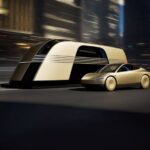
Tesla is positioning the Roadster in several configurations. The most extreme Rocket version adds perimeter thrusters and is listed as not approved for public-road use, AP reported. That caveat matters as much as the footage: even if Tesla delivers the hardware it showed, the version closest to a flying car is not being presented as something owners can legally use on ordinary roads. Flight would raise a separate set of safety and aviation questions that the reveal did not resolve.
Elon Musk now says Roadster production is planned for 2028, and Tesla has not given a final price for the new car. Performance claims made on stage, including extraordinary acceleration, remain company claims rather than independently verified results from a production vehicle. The difference between a demonstrator and a car built consistently for customers is especially important for a model whose timetable has shifted repeatedly.
That history is why the launch deserves both attention and scepticism. TechBooky previously examined the Roadster’s years of delays before this reveal. Tesla has now offered a tangible spectacle, which is more substantial than another teaser. It has not yet delivered the independent testing, final specifications, regulatory pathway or production timetable that would turn the stunt into a product buyers can evaluate.
The Roadster may become an extraordinary electric sports car. For now, the sharpest description is narrower: Tesla has shown a prototype capable of a brief, controlled airborne manoeuvre using thrusters. Calling that a consumer flying car would skip over the hardest questions the company still has to answer.
Related Reading
More contextual TechBooky stories selected from tags, categories and article context.
Paul Balo is the founder of TechBooky and a highly skilled wireless communications professional with a strong background in cloud computing, offering extensive experience in designing, implementing, and managing wireless communication systems.
We use cookies to ensure that we give you the best experience on our website. If you continue to use this site we will assume that you are happy with it.