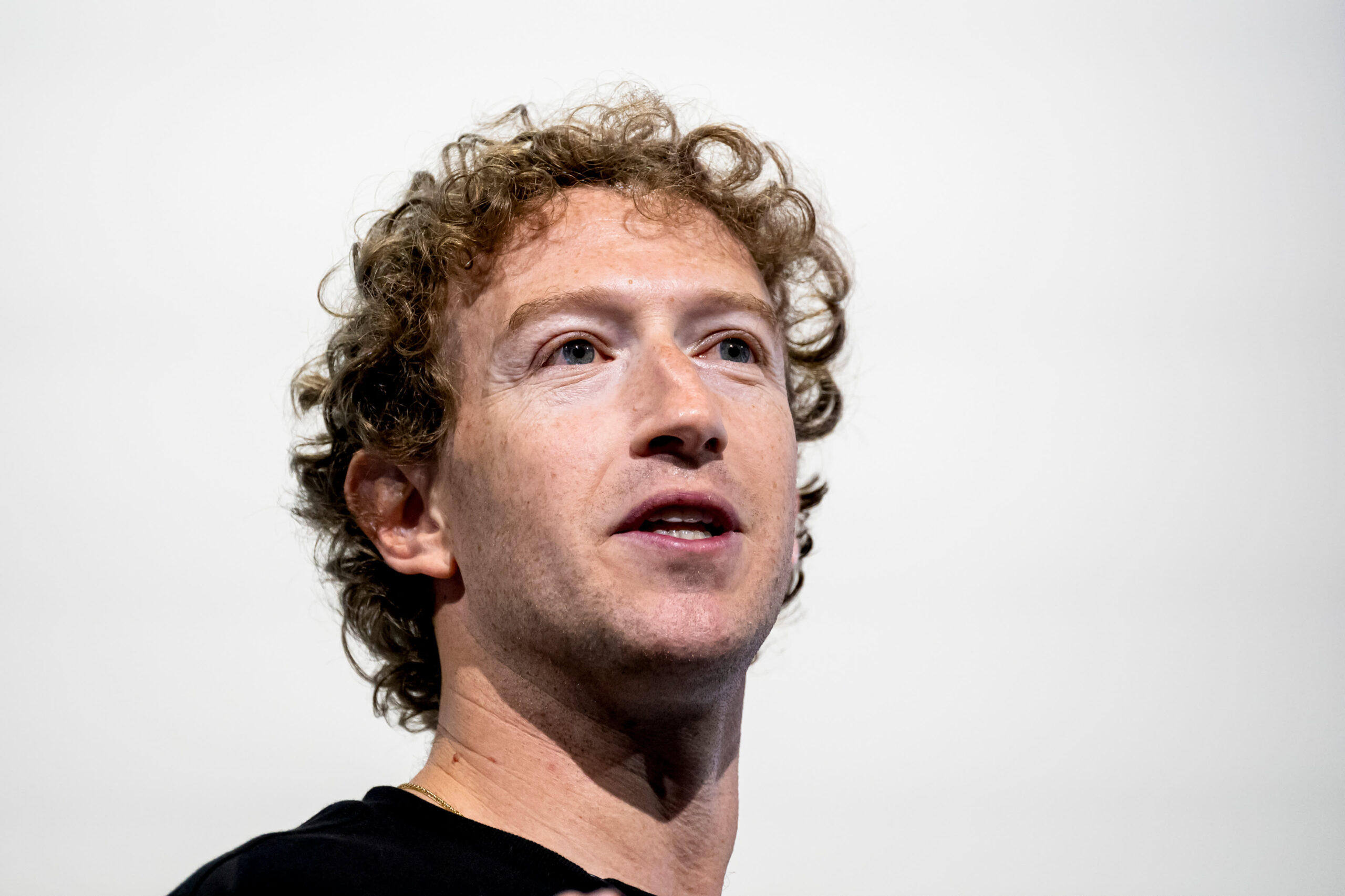
Mark Zuckerberg is pushing back on the idea that AI labs need a formal industry pact before they can slow down when safety demands it.
The Meta CEO said AI companies already have a strong incentive to make their models safe and aligned because trust will become a competitive advantage. In comments reported by Business Insider and the Financial Times, Zuckerberg argued that companies can slow releases individually if their own testing shows a model is not ready.
His example was Meta’s decision to delay the release of Muse, its personal AI agent, so the company could address safety concerns. That matters because Meta has been presenting Muse as a major step toward Zuckerberg’s broader vision of personal superintelligence, which he laid out in The Future is for Everyone.
Zuckerberg’s position sits between two loud camps. Anthropic’s Dario Amodei wants frontier labs to pace the frontier together with embedded evaluators and government-backed coordination. Nvidia’s Jensen Huang has argued that the industry should move quickly while releasing products responsibly. Zuckerberg sounds closer to Huang on coordination, but he is not saying companies should ignore safety.
The difference is control. A formal slowdown agreement between OpenAI, Anthropic, Google, Meta, xAI and others could raise antitrust and regulatory-capture concerns. Critics may ask whether the biggest companies are using safety language to slow smaller rivals. Meta would rather argue that market pressure and company-level responsibility can do much of the work.
Meta’s Chief AI Officer Alexandr Wang has also warned against racing recklessly toward recursive self-improvement, the point at which AI systems can help improve themselves. He said Meta is focusing most of its resources on products that serve users rather than chasing that kind of risky frontier capability.
TechBooky has covered the other side of this argument, including why AI rivals now agree the frontier may need a speed limit. Zuckerberg’s answer is that a company does not need to wait for rivals before it slows itself. The open question is whether the public will trust each lab to make that call honestly when billions of dollars and market leadership are at stake.
Related Reading
More contextual TechBooky stories selected from tags, categories and article context.
Paul Balo is the founder of TechBooky and a highly skilled wireless communications professional with a strong background in cloud computing, offering extensive experience in designing, implementing, and managing wireless communication systems.
We use cookies to ensure that we give you the best experience on our website. If you continue to use this site we will assume that you are happy with it.