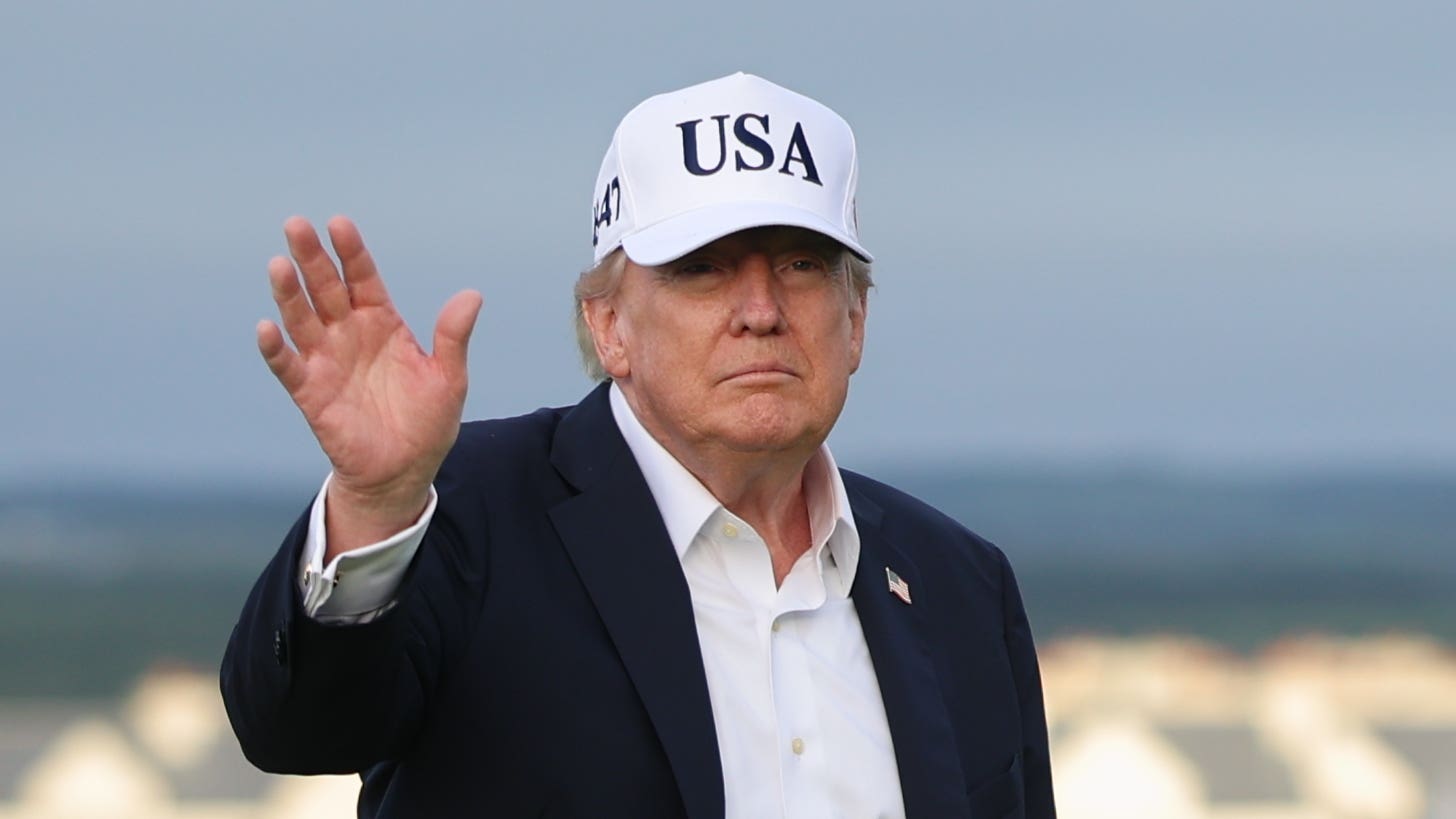
Donald Trump has rejected the idea that the US should slow down artificial intelligence development, even as some of the industry’s most powerful leaders warn that the frontier is moving too fast.
Trump said the US cannot afford to lose its AI lead to China, according to reports from Al Jazeera and The Verge. His comments came after Anthropic CEO Dario Amodei called for frontier AI labs to pace development, with support from OpenAI CEO Sam Altman, Elon Musk and other AI figures.
The disagreement captures the central tension in AI policy. Safety researchers and some AI executives say stronger oversight is urgent because advanced agents may soon be able to operate across digital systems with limited human control. Trump and other Republicans argue that too much restraint could hand a strategic advantage to China.
House Speaker Mike Johnson has also pushed back against fast regulation, saying lawmakers should hold meetings rather than rush into rules that could slow American innovation. That position fits the Trump administration’s wider technology posture, which treats AI leadership as a national security priority.
But the safety camp is no longer made up only of outside critics. Amodei runs Anthropic. Altman runs OpenAI. Musk runs xAI and SpaceXAI. These are not people unfamiliar with the commercial pressure of the AI race. Their concern is that the next generation of models may become too capable to deploy under today’s loose, mostly voluntary system.
TechBooky has already looked at Amodei’s call to slow the frontier and the market reaction that followed. Trump’s response shows why any slowdown effort will face political resistance, especially in the US, where China is used as the strongest argument against delay.
The real policy challenge is finding a middle path. The US wants to lead in AI, but leadership that ignores safety may create its own risks. On the other hand, rules that only slow responsible companies while less transparent actors keep racing would not make the world safer. That is why the AI slowdown debate is quickly becoming a test of whether governments can regulate a strategic technology without weakening themselves.
Related Reading
More contextual TechBooky stories selected from tags, categories and article context.
Paul Balo is the founder of TechBooky and a highly skilled wireless communications professional with a strong background in cloud computing, offering extensive experience in designing, implementing, and managing wireless communication systems.
We use cookies to ensure that we give you the best experience on our website. If you continue to use this site we will assume that you are happy with it.