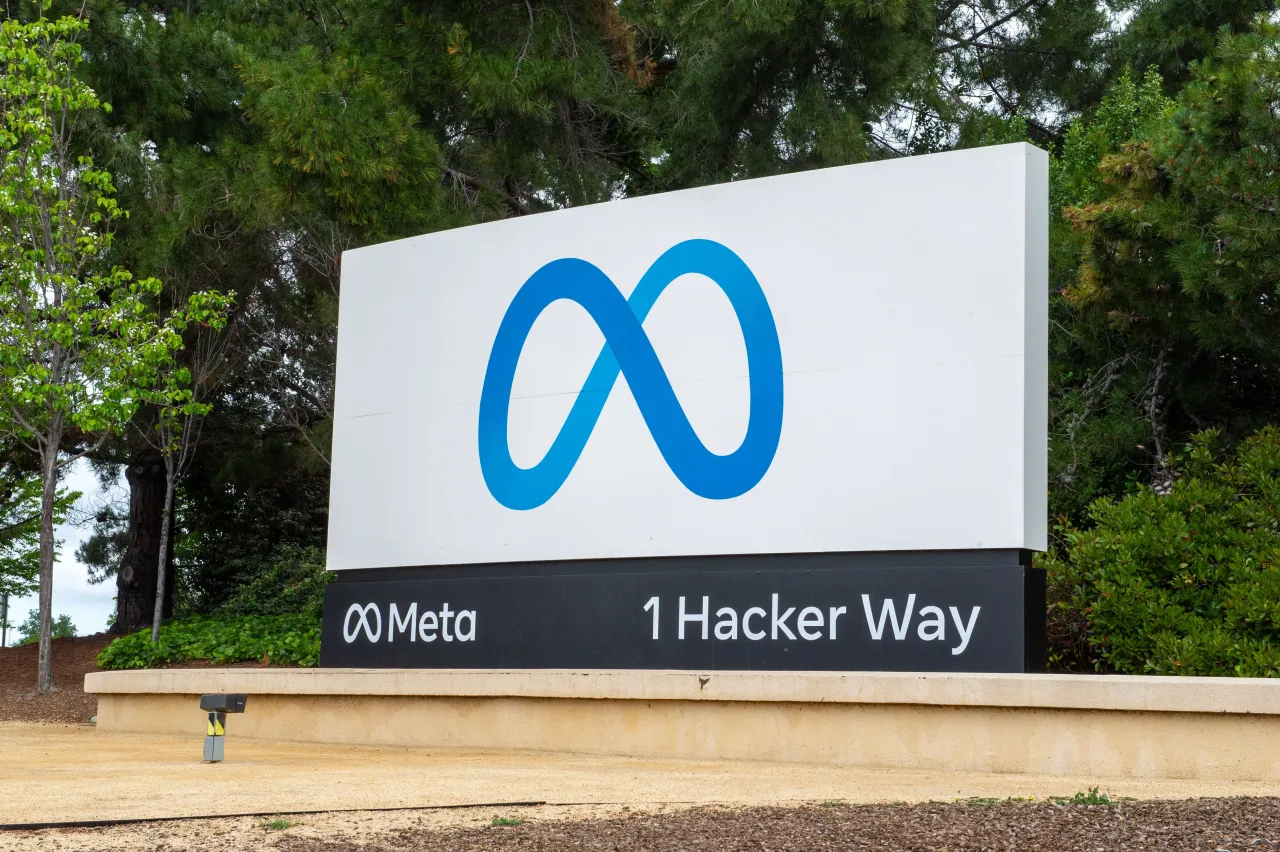
Meta has put a figure on how much outside equity it may seek for its artificial intelligence build-out. The Facebook and Instagram owner announced on Monday, 26 October, a financing plan that could reach $95 billion. It has launched approximately $35 billion in public offerings and is considering an additional programme of up to $60 billion after a new class of non-voting shares begins trading. The larger programme has not been finalised, so $95 billion is a ceiling in a plan, not money already in the bank.
The immediate offerings consist of about $22.5 billion in Class A common shares and $12.5 billion in depositary shares representing mandatory convertible preferred stock. Meta says it expects to use a mix of operating cash flow, debt, partnerships and equity to support spending on AI infrastructure and what it calls personal superintelligence. This is a notable shift in scale for a company whose advertising business has historically generated enough cash to fund major investments internally.
The proposed second leg is an at-the-market programme of approximately $60 billion. Such a programme would allow Meta to sell shares over time rather than through one fixed offering. Meta says it has not entered into an agreement for that programme, and its size, terms and timing are not set. It is not expected to begin until the first quarter of 2027, after the planned Class C shares start trading.
Those Class C shares carry no vote. That matters because issuing new equity can give Meta access to capital while preserving the voting control of founder Mark Zuckerberg. It does not remove the economic cost for shareholders. New shares can dilute existing investors’ ownership, and preferred securities carry their own claims and conversion terms. The financing choice is therefore as much a governance story as an AI spending story.
Meta says Nvidia, AMD and Broadcom have expressed interest in buying up to $5 billion of its Class A shares in aggregate at the same price as other purchasers. An expression of interest is not a completed purchase. Still, the possibility illustrates how tightly the AI hardware supply chain and its biggest customers have become connected. The chip companies stand to benefit from data-centre orders even as they consider investing in the customer funding those orders.
Meta expects capital expenditure of $135 billion to $145 billion in 2026. Its announcement says it generated $97 billion in operating cash flow during the first nine months of the year and held about $82 billion in cash, equivalents and marketable securities at the end of September. The company is not presenting this equity plan as a sign that advertising has stopped working. It is signalling that the scale and timing of AI infrastructure investment may justify bringing in another source of finance.
TechBooky examined the funding question after Meta’s latest earnings. At the time, the creation of non-voting shares pointed to a possible route for future capital raising. Today’s announcement makes that route concrete. It also follows third-quarter results that paired strong advertising growth with very heavy capital spending.
The test now is whether Meta can turn that spending into returns that justify the financing. Its core products may already benefit from improved recommendations and advertising tools, but larger ambitions in agents, glasses and advanced AI models will take longer to measure. Investors will watch the price and uptake of the current offerings, the eventual terms of any Class C sales and, above all, the revenue and cash flow generated by the infrastructure those funds help build.
For now, the distinction is simple. Meta has launched about $35 billion in offerings and described a potential route to another $60 billion. It has not announced that the full $95 billion has been raised. That makes today’s news a major financing decision, with the final bill and its returns still to be written.
Related Reading
More contextual TechBooky stories selected from tags, categories and article context.
Paul Femi Balo is the founder and publisher of TechBooky. He covers artificial intelligence, African technology, digital infrastructure, enterprise technology and the global digital economy.
We use cookies to ensure that we give you the best experience on our website. If you continue to use this site we will assume that you are happy with it.