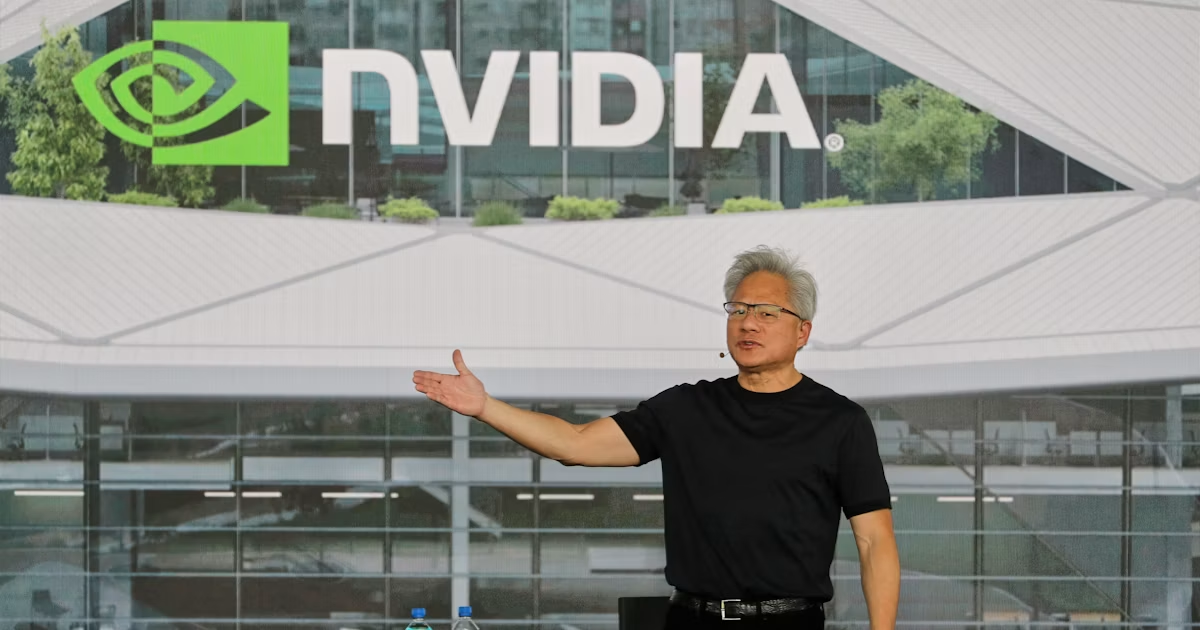
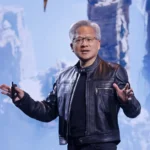
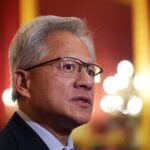
Nvidia CEO Jensen Huang is drawing a clear line in the AI safety fight. He believes the companies building AI should be trusted to make it safe without a new wave of regulation.
Speaking at Dreamforce in San Francisco, Huang dismissed the need for new AI safety laws and argued that market pressure will force companies to behave responsibly. The Financial Times reported that both Huang and Meta CEO Mark Zuckerberg oppose efforts to coordinate an AI slowdown. The Times also reported that Huang sees safety as an engineering responsibility that companies must handle before releasing products.
That puts Nvidia firmly on one side of the debate now dividing Silicon Valley. Anthropic’s Dario Amodei wants frontier AI labs to pace development and use embedded outside evaluators. OpenAI’s Sam Altman has supported more third-party evaluation. Elon Musk has suggested rival labs should test each other’s models. Huang is saying that companies should move quickly and take responsibility themselves.
Huang’s argument is not surprising. Nvidia sells the chips that power the AI boom. If governments slow model releases, restrict data centre buildouts or impose heavy new safety gates, the whole AI spending story could be affected. Nvidia benefits from a world where companies keep training and deploying more capable models.
But the position also raises a trust question. Market incentives can encourage safety when unsafe products damage customers and reputations. They can also encourage speed when revenue, market share and investor expectations are on the line. The recent worries around AI agents, cyber incidents and frontier capability are exactly why critics say self-regulation may not be enough.
The next phase of the debate will test whether governments accept the builders’ promise to govern themselves. If they do, companies like Nvidia will keep shaping the rules through speed, infrastructure and market power. If they do not, the AI boom may have to learn to live with rules written by people outside the industry.
Related Reading
More contextual TechBooky stories selected from tags, categories and article context.
Paul Balo is the founder of TechBooky and a highly skilled wireless communications professional with a strong background in cloud computing, offering extensive experience in designing, implementing, and managing wireless communication systems.
We use cookies to ensure that we give you the best experience on our website. If you continue to use this site we will assume that you are happy with it.