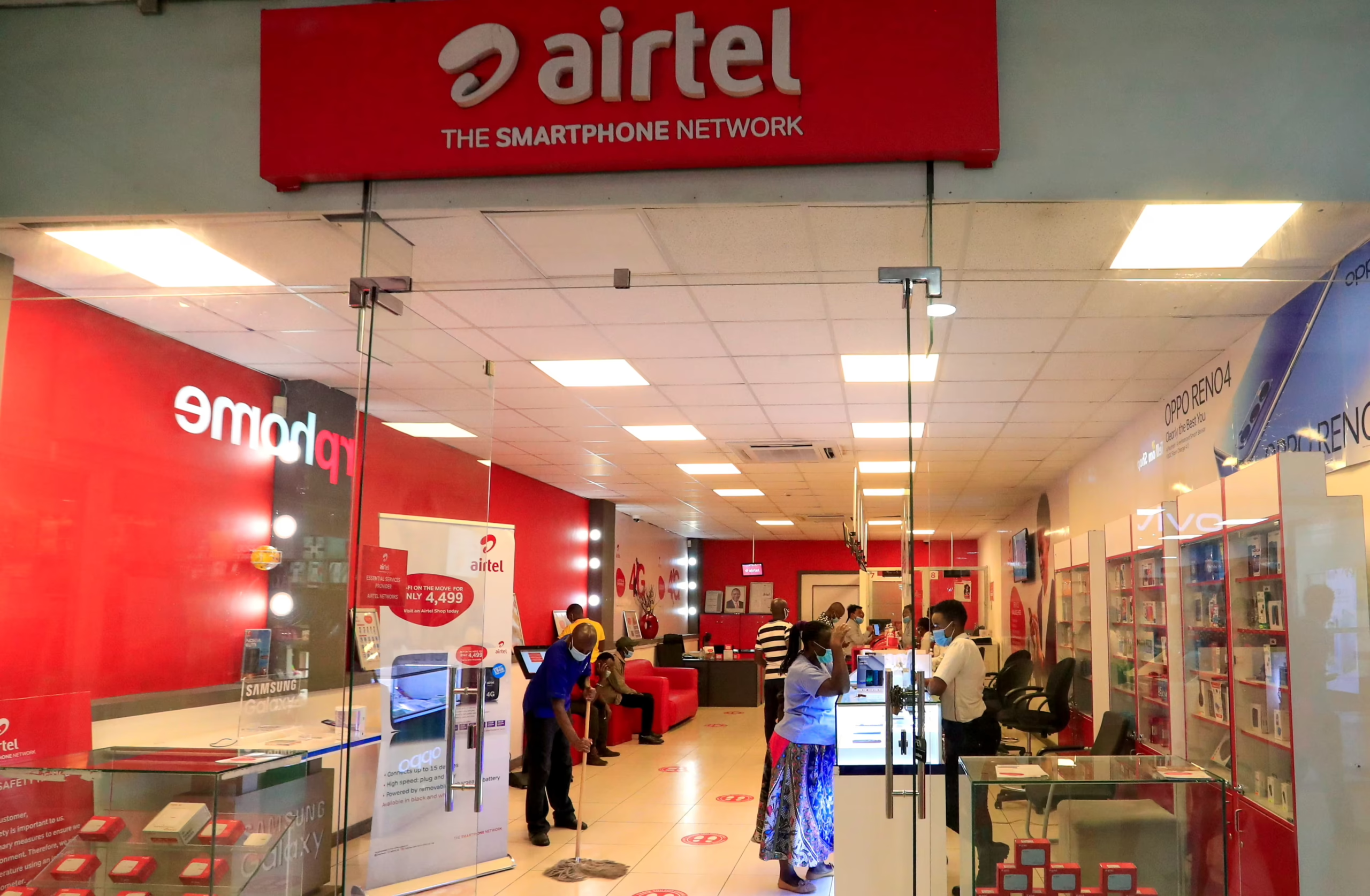
Airtel Africa says it spent $657 million on capital projects in the six months to September 2026, more than twice the $318 million recorded a year earlier. It also says it added roughly 4,200 sites. Those are substantial commitments. The question now is whether customers will notice a more reliable network, especially in the places where demand is growing fastest.
This is a different question from whether the operator is selling more data. TechBooky has already examined how smartphone use is changing Airtel Africa’s business. The latest results invite a follow-up on the practical return from investment, not another recap of revenue growth.
In its half-year results released on 30 October, Airtel said capital expenditure reached $657 million and its network footprint expanded by about 4,200 sites. It also reported 5G operations in seven markets. The company serves 14 African countries, which means these are group-wide measures rather than proof of an improvement in any one Nigerian district.
A new site can extend coverage or add capacity, but its effect depends on where it is built, how much spectrum and backhaul it has, whether power is dependable and how many customers share it. Similarly, a 5G site count says little about whether a customer’s device can hold a strong connection indoors or during the evening rush. Investment is a necessary input, not an outcome.
Airtel’s data business provides a reason for urgency. The company reported 89.9 million data customers across its footprint and average smartphone consumption of 13.3GB a month, up from 10.1GB in the year-earlier period. If data traffic keeps rising, new capacity may be consumed quickly. A network can improve in absolute terms while users still encounter congestion if demand grows faster.
An honest assessment of the spending should ask whether coverage gaps are closing, dropped-call and failed-call rates are falling, and typical speeds and latency improve at busy times. Measurements need to be comparable over time and broken down by market and locality. A national average can hide both a city centre upgrade and a poorly served rural area.
There is also a difference between upgrading a network and making the service affordable. Faster infrastructure offers limited benefit if prices put useful data allowances out of reach. Operators need a commercial return on investment, but regulators and consumers will judge the build-out by dependable access as well as shareholder returns.
Airtel Africa’s higher expenditure suggests it recognises the scale of the capacity challenge. It does not yet demonstrate that service quality has improved by a corresponding amount. That distinction is particularly important for businesses relying on mobile payments, messaging and cloud tools. The next meaningful disclosure would connect the spending to measurable performance in the markets and communities where the new sites were deployed.
Related Reading
More contextual TechBooky stories selected from tags, categories and article context.
Paul Femi Balo is the founder and publisher of TechBooky. He covers artificial intelligence, African technology, digital infrastructure, enterprise technology and the global digital economy.
We use cookies to ensure that we give you the best experience on our website. If you continue to use this site we will assume that you are happy with it.