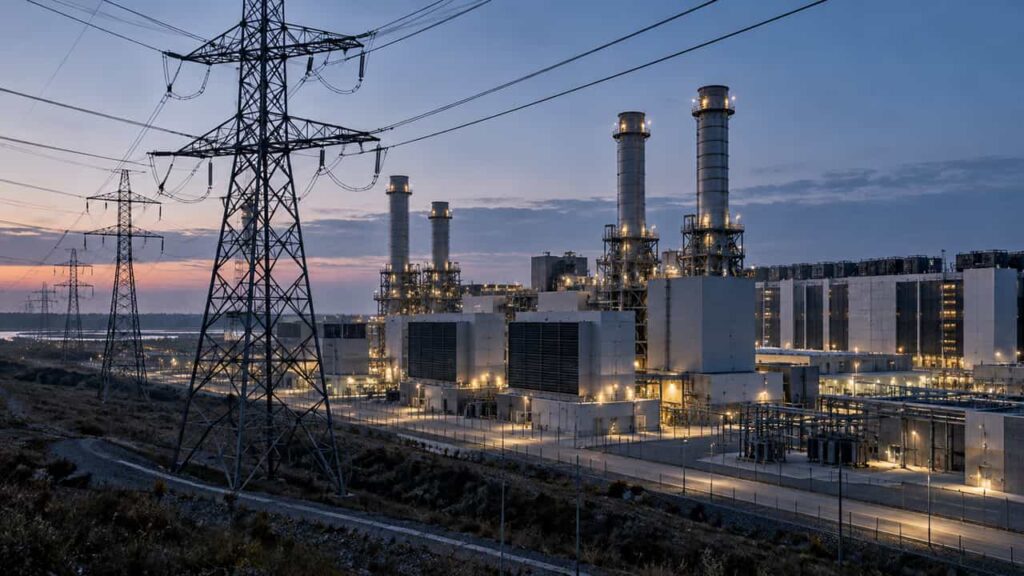
A US federal judge has allowed the NAACP’s Clean Air Act lawsuit over the gas turbines serving xAI’s Colossus AI facility in Mississippi to proceed. The 30 October ruling rejects xAI’s attempt to end the case at the pleading stage. It does not decide whether the company ultimately breached air-pollution rules.
The 28-page opinion and order concerns a gas-fired power plant in Southaven, DeSoto County. The NAACP and its Mississippi State Conference allege that xAI and MZX Tech built and operated the site without permits required under the Clean Air Act and Mississippi’s implementation plan. Their complaint seeks an injunction, pollution controls and civil penalties. Those are requests in litigation, not remedies the court has granted.
xAI argued that the turbines were mobile sources exempt from the relevant permitting rules. It also challenged the NAACP’s ability to bring the case and the constitutionality of the Clean Air Act provision that permits citizen suits. Judge Debra M. Brown rejected those arguments in the dismissal motion, finding that the plaintiffs had statutory standing, that the turbines were not mobile sources for this purpose and that the citizen-suit provision could be used. The claims can therefore move into later stages of the case.
A motion to dismiss tests whether a complaint can legally proceed on its stated facts. It is not a trial or a final finding about the equipment’s emissions, the permits obtained or any damages. xAI can continue to defend its conduct as the parties develop evidence. That distinction matters for a dispute with both public-health and technology-policy implications.
The plaintiffs say the site used numerous combustion turbines without the necessary preconstruction or operating permits. TechCrunch reported the NAACP’s allegation of at least 35 turbines. The precise number in operation at any particular time and the applicable permit obligations remain matters to be tested in the case. TechCrunch said it had sought comment from SpaceX, which owns xAI.
The case highlights a tension in the AI build-out. Companies want computing capacity quickly, yet generating power on site can bring data-centre expansion into direct conflict with environmental permitting and neighbouring communities. The legal questions here are specific to Mississippi and the plant at issue, but the broader question will recur wherever AI facilities seek power faster than the grid can provide it.
TechBooky has tracked the scale of the industry investment in its coverage of cloud companies’ AI spending. This ruling adds another measure of the cost of that expansion: whether the infrastructure behind a model meets local air-quality requirements. The court has allowed that question to be heard; the answer remains ahead.
Related Reading
More contextual TechBooky stories selected from tags, categories and article context.
Paul Femi Balo is the founder and publisher of TechBooky. He covers artificial intelligence, African technology, digital infrastructure, enterprise technology and the global digital economy.
We use cookies to ensure that we give you the best experience on our website. If you continue to use this site we will assume that you are happy with it.