TechBooky AI Assistant
👋 Welcome to TechBooky AI Assistant

I can help with:
🔎 Tech News
🤖 AI Topics
💻 Gadgets
☁️ Cloud
✍️ Guest Posts
📢 Advertising
🔗 Backlinks
📩 Newsletter
  • AI Search
  • Cryptocurrency
  • Earnings
  • Enterprise
  • About TechBooky
  • Submit Article
  • Advertise With TechBooky
  • Contact Us
TechBooky
  • African
  • AI
  • Metaverse
  • Gadgets
Generic selectors
Exact matches only
Search in title
Search in content
Post Type Selectors
Search in posts
Search in pages
  • African
  • AI
  • Metaverse
  • Gadgets
Generic selectors
Exact matches only
Search in title
Search in content
Post Type Selectors
Search in posts
Search in pages
TechBooky
Generic selectors
Exact matches only
Search in title
Search in content
Post Type Selectors
Search in posts
Search in pages
Home Internet

Amazon Leo Wants 5,105 Satellites To Take Phone Coverage Beyond Cell Towers

Paul Balo by Paul Balo
July 31, 2026
in Internet, Technology
Share on FacebookShare on Twitter
Share this story

Send it to someone who should read it.

f Facebook X X in LinkedIn wa WhatsApp tg Telegram @ Email

In Brief
  • Amazon is no longer treating satellite internet as only a broadband alternative for homes, ships, enterprises and remote communities.
  • The company now wants Amazon Leo to talk directly to ordinary mobile devices, a move that would put it deeper into the same direct-to-phone race that...
  • In an official explanation of the plan, Amazon said Leo has filed an application with the U.S.

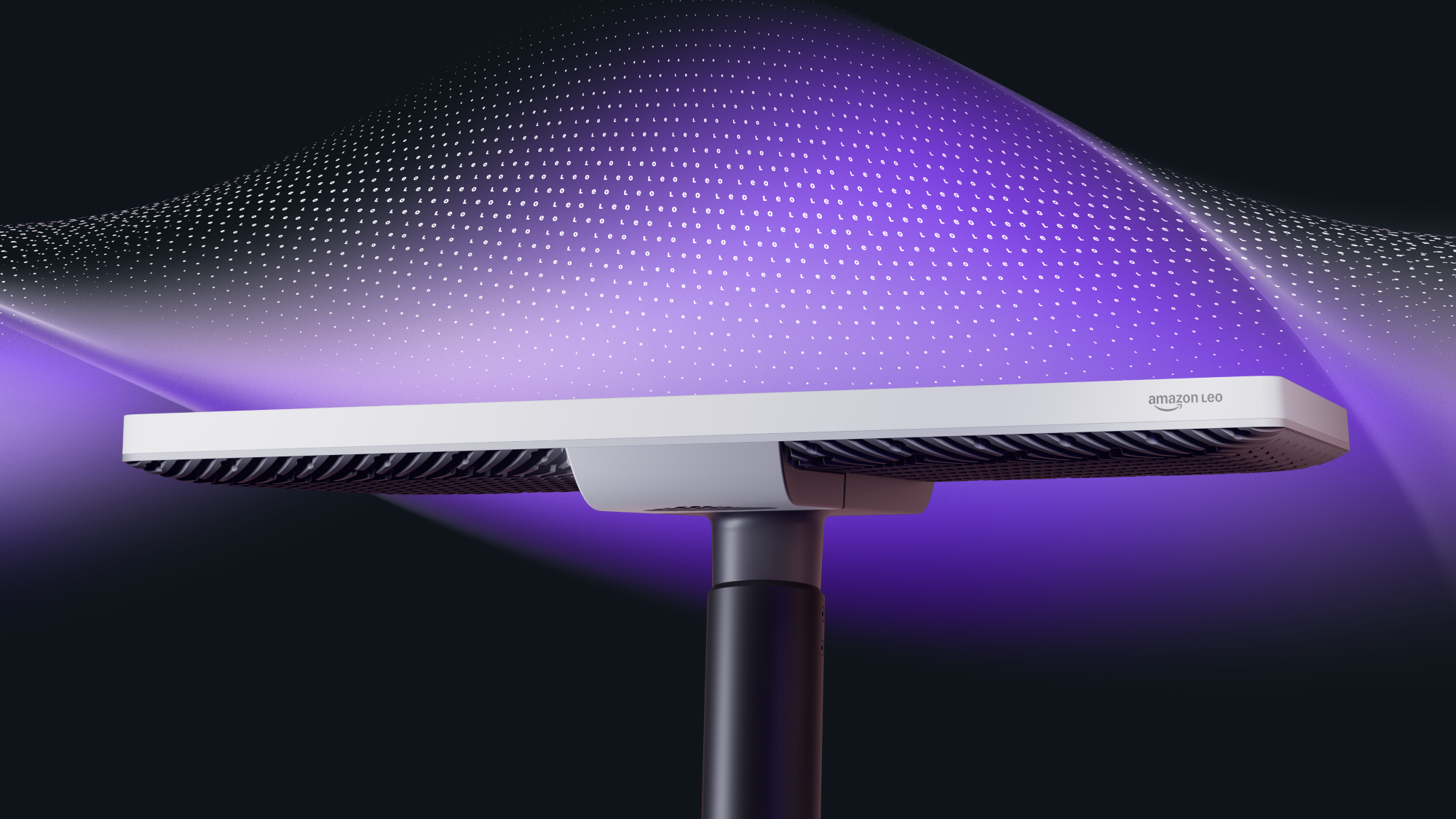
Amazon is no longer treating satellite internet as only a broadband alternative for homes, ships, enterprises and remote communities. The company now wants Amazon Leo to talk directly to ordinary mobile devices, a move that would put it deeper into the same direct-to-phone race that SpaceX, Apple, Globalstar and mobile operators are trying to shape.

In an official explanation of the plan, Amazon said Leo has filed an application with the U.S. Federal Communications Commission to launch and operate a Direct-to-Device system made up of as many as 5,105 low Earth orbit satellites. The goal is to support voice, messaging, data and emergency services on compatible mobile devices, with deployment expected to begin in 2028 if regulators approve the plan.

That is a big expansion of Amazon Leo beyond its original broadband satellite network. The current Leo constellation is designed to deliver internet through user terminals, in the same general market where Starlink has already built a large early lead. Direct-to-device service is different. It tries to reach phones without requiring a separate dish or special ground terminal, which makes it much more relevant for emergency communications, rural coverage, transport, disaster response and basic connectivity in places where towers are too expensive to build.

The Africa angle is obvious. Mobile coverage has improved across the continent, but many rural and low-income communities are still either poorly served or completely outside reliable broadband reach. Direct-to-device satellite service could help fill gaps where geography, power, roads and weak economics make tower rollout difficult. It will not replace terrestrial mobile networks, but it could become a useful layer for emergency services, messaging, IoT devices and basic internet access in hard-to-reach areas.

Amazon says the system is being developed to work with mobile network operators rather than bypass them. That distinction matters. A satellite network that partners with telcos can extend existing mobile services instead of forcing users to sign up for a separate satellite subscription. For African operators, this could eventually mean wider coverage without building every last tower themselves, although pricing, handset compatibility and local licensing will decide whether the technology becomes practical or remains premium.

Also worth reading
Amazon AWS Growth Surges As AI Demand Gives Spending A Better Answer SpaceX Deploys V3 Starlink Satellites But Loses Another Super Heavy Booster Zoox Clears US Hurdle To Charge For Driverless Robotaxi Rides Recursive Superintelligence Signs $410M AWS Compute Deal Delta Chooses Amazon LEO Over SpaceX Starlink Amazon Raised Anthropic AI Security Concerns Before US Crackdown on Fable 5 and Mythos 5

The technology itself is also becoming more sophisticated. Amazon says the D2D satellites will process signals in orbit before relaying them, while using advanced signal-processing tools to improve spectrum efficiency and reduce interference. That matters because connecting directly to small mobile devices is much harder than connecting to a larger satellite terminal. Phones have limited power, small antennas and no room for a customer to adjust equipment like a dish.

This move also connects Amazon more closely with Apple. Amazon agreed earlier this year to acquire Globalstar assets and support satellite services for iPhone and Apple Watch users, while Apple continues expanding emergency and messaging features for devices outside normal coverage. Apple has already shown that satellite connectivity can become a consumer safety feature. Amazon wants to turn that into a broader network layer.

The timing fits Amazon wider AI and cloud infrastructure story. The company just reported strong AWS growth, but also showed how expensive infrastructure has become as AI, cloud and connectivity spending rises. Its latest Amazon earnings showed AWS demand accelerating even as free cash flow came under pressure from AI-related capital spending. Satellite networks add another heavy infrastructure bill, but they could also give Amazon a long-term communications platform that links cloud, devices and remote connectivity.

There are still serious hurdles. Regulators have to approve the constellation, spectrum coordination will be difficult, and Amazon has to launch thousands of satellites while avoiding delays, debris concerns and interference disputes. SpaceX already has enormous scale in orbit, and Starlink keeps expanding even with technical setbacks. Amazon is chasing a moving target.

Even so, the direction is clear. The next phase of mobile coverage may not be built only from towers. It may be a layered system where terrestrial networks handle most traffic, while satellite networks cover the gaps, disasters and remote operations. If Amazon can execute, Leo could become more than a Starlink rival. It could become part of the future mobile network stack.

Related Reading

More contextual TechBooky stories selected from tags, categories and article context.

  • HE28SZ0WoAEg2XU
    Amazon Moves To Acquire Globalstar For $11.57B To…
  • Starlink-direct-to-cell
    Starlink Lets Smartphones Access Satellite Internet Directly
  • Starlink Kenya
    SpaceX Secures FCC Approval For Starlink…
  • NVRMP2QG2ZNZNPDKEYFIWK33QI
    Amazon’s Kuiper Launches 27 Satellites to Rival Starlink
  • Margherita-Della-Valle-and-Tim-Peake-1500-800
    Satellite Video Calls on Apple & Android Devices Coming Soon
  • NCC-Introduces-Stricter-Governance-Framework-for-Telecoms-Operators
    23 Million Nigerians Targeted For Satellite Broadband By NCC
  • Phone-To-satelllite
    NCC Unveils Satellite-To-Phone Initiative For…
  • Airtel-SpaceX-Partner-to-Launch-Starlink-Direct-to-Cell-in-Nigeria-scaled
    Airtel Africa, SpaceX Partner to Launch Starlink…
Keep Reading Smarter

Search TechBooky with AI

Use TechBooky's AI Search to explore the context behind this story and related coverage across the site.

Try AI Search
More On This Topic
Internet Technology
Follow TechBooky

Follow TechBooky for more technology stories and newsroom updates.

f Facebook X X in LinkedIn ig Instagram wa WhatsApp

Tags: amazonamazon leoDirect-to-Devicesatellite internetstarlink
Paul Balo

Paul Balo

Paul Balo is the founder of TechBooky and a highly skilled wireless communications professional with a strong background in cloud computing, offering extensive experience in designing, implementing, and managing wireless communication systems.

Search TechBooky
Open TechBooky AI Search Try the AI Assistant

BROWSE BY CATEGORIES

Receive top tech news directly in your inbox

subscription from
Loading

Freshly Squeezed

  • Lesotho Launches National CSIRT As Cybersecurity Becomes Core Digital Infrastructure July 31, 2026
  • Gabon Data Centre Push Shows Africa Digital Sovereignty Is Becoming Infrastructure July 31, 2026
  • Inforcer Raises $50M As AI Turns Microsoft 365 Security Into An MSP Problem July 31, 2026
  • Rwanda 3G Shutdown Shows Africa Mobile Money Needs A Careful 4G Migration July 31, 2026
  • Amazon Leo Wants 5,105 Satellites To Take Phone Coverage Beyond Cell Towers July 31, 2026
  • Credit Card Repayments Continue to Stretch Household Budgets Across the UK July 31, 2026
  • How Dental Practices Are Embracing AI and Technology July 31, 2026
  • Reddit Earnings Beat As AI Search Turns Its Human Data Into A Bigger Question July 31, 2026
  • Apple Revenue Hits June Record As iPhone Sales Give AI Spending A Different Answer July 30, 2026
  • Amazon AWS Growth Surges As AI Demand Gives Spending A Better Answer July 30, 2026
  • Google DeepMind Pushes Gemini Robotics Toward Real-World Machines July 30, 2026
  • Zoox Clears US Hurdle To Charge For Driverless Robotaxi Rides July 30, 2026

Browse Archives

July 2026
M T W T F S S
 12345
6789101112
13141516171819
20212223242526
2728293031  
« Jun    

Quick Links

  • About TechBooky
  • Advertise With TechBooky
  • Contact us
  • Submit Article
  • Privacy Policy
Generic selectors
Exact matches only
Search in title
Search in content
Post Type Selectors
Search in posts
Search in pages
  • African
  • Artificial Intelligence
  • Gadgets
  • Metaverse
  • Tips
  • AI Search
  • About TechBooky
  • Advertise With TechBooky
  • Submit Article
  • Contact us

© 2025 Designed By TechBooky Elite

Discover more from TechBooky

Subscribe now to keep reading and get access to the full archive.

Continue reading

We use cookies to ensure that we give you the best experience on our website. If you continue to use this site we will assume that you are happy with it.