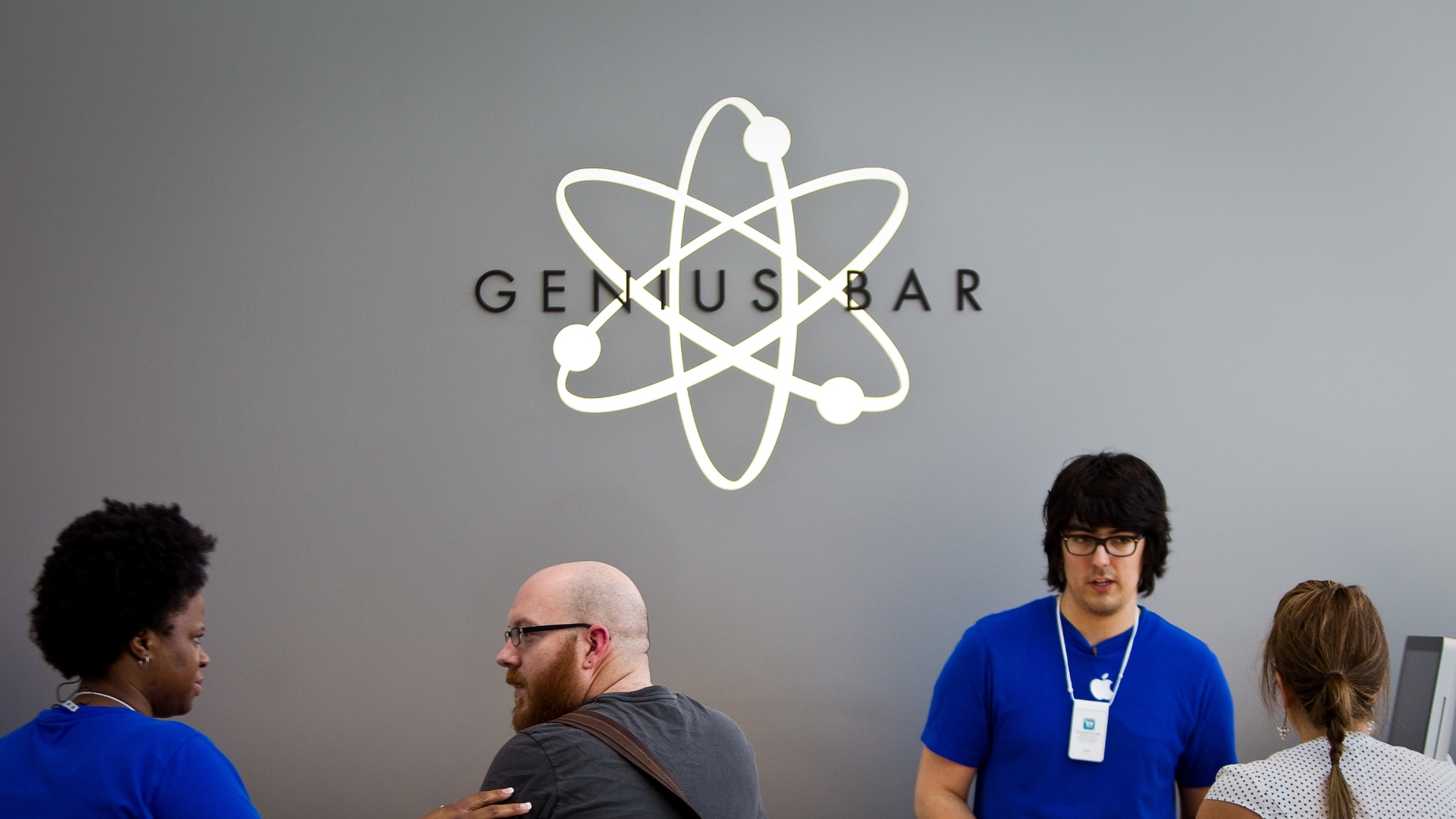
Apple is reportedly testing a new AI system called Live Notes inside some Apple Stores, bringing automated recording, transcription and summarisation to Genius Bar appointments. The feature is being pitched as a way to help staff focus on customers instead of manually writing notes during support sessions.
According to reports based on Mark Gurman’s Power On newsletter, Live Notes lets Apple Store employees record Genius Bar sessions with an AI tool that transcribes and summarises conversations, then saves the summary into Apple’s internal Genius Bar system. Other reports say the pilot is limited to a small number of stores and requires consent before recording begins.
That sounds like a simple productivity tool, but the implications are bigger. Apple is not only putting AI into phones, laptops and software. It is testing AI inside the physical customer-support experience, where privacy, employee monitoring and customer trust are much more sensitive.
Genius Bar appointments can be messy. Customers describe problems in their own words, staff ask follow-up questions, devices are checked, repair options are discussed and notes must be entered for future reference. Automating that note-taking process could save time and improve consistency.
For customers, a good transcript and summary could reduce confusion. If a repair case is escalated, another employee may quickly understand what happened. If a customer returns later, the history is clearer. For Apple, the system could improve support quality and reduce the friction of documenting thousands of appointments.
This fits the broader Apple Intelligence push. Apple has been trying to make AI feel useful inside everyday workflows rather than simply chasing chatbot theatrics. A physical-store support tool is a very Apple kind of AI use case: practical, controlled and tied directly to its ecosystem.
The problem is that recording a support conversation is not the same as summarising an email. A Genius Bar visit may include device problems, account details, photos, health issues, family circumstances, workplace information or payment concerns. Even if Apple says consent is required, customers may not fully understand what is recorded, how long summaries are stored or who can access them.
Employee trust is another issue. Some staff have reportedly raised concerns that Live Notes could become a performance-monitoring tool, even if Apple presents it as a note-taking assistant. Once conversations are transcribed, managers can theoretically review tone, speed, language and how employees handle difficult customers.
That concern is not unique to Apple. AI is moving into workplaces as a recording layer, a summarisation layer and an evaluation layer. Zoom, Google, Microsoft and other productivity platforms are all pushing meeting summaries and AI notes. The difference is that the Apple Store is a public-facing retail environment, where customers and workers may feel the surveillance more directly.
The Apple Live Notes pilot is part of a larger trend: AI is leaving the screen and entering service operations. Customer support, repairs, banking, healthcare, insurance, call centres and retail all have conversations that can be transcribed, summarised and analysed.
That can improve service, but it also creates new governance questions. Who owns the transcript? Can the customer request deletion? Can the employee object? Are recordings used to train models? Are summaries corrected when AI makes a mistake? These questions must be answered before such systems become normal.
A related TechBooky piece on Google Vids and personal AI avatars showed how quickly AI can turn identity and communication into software. Apple’s Live Notes points to another side of the same shift: ordinary human conversations becoming structured AI data.
If Apple expands Live Notes, it will likely frame the tool around consent, privacy and customer service. The test will be whether customers and employees believe that framing. In AI, trust is no longer only about what a model can do. It is about where the model is listening.
Related Reading
More contextual TechBooky stories selected from tags, categories and article context.
Paul Femi Balo is the founder and publisher of TechBooky. He covers artificial intelligence, African technology, digital infrastructure, enterprise technology and the global digital economy.
We use cookies to ensure that we give you the best experience on our website. If you continue to use this site we will assume that you are happy with it.