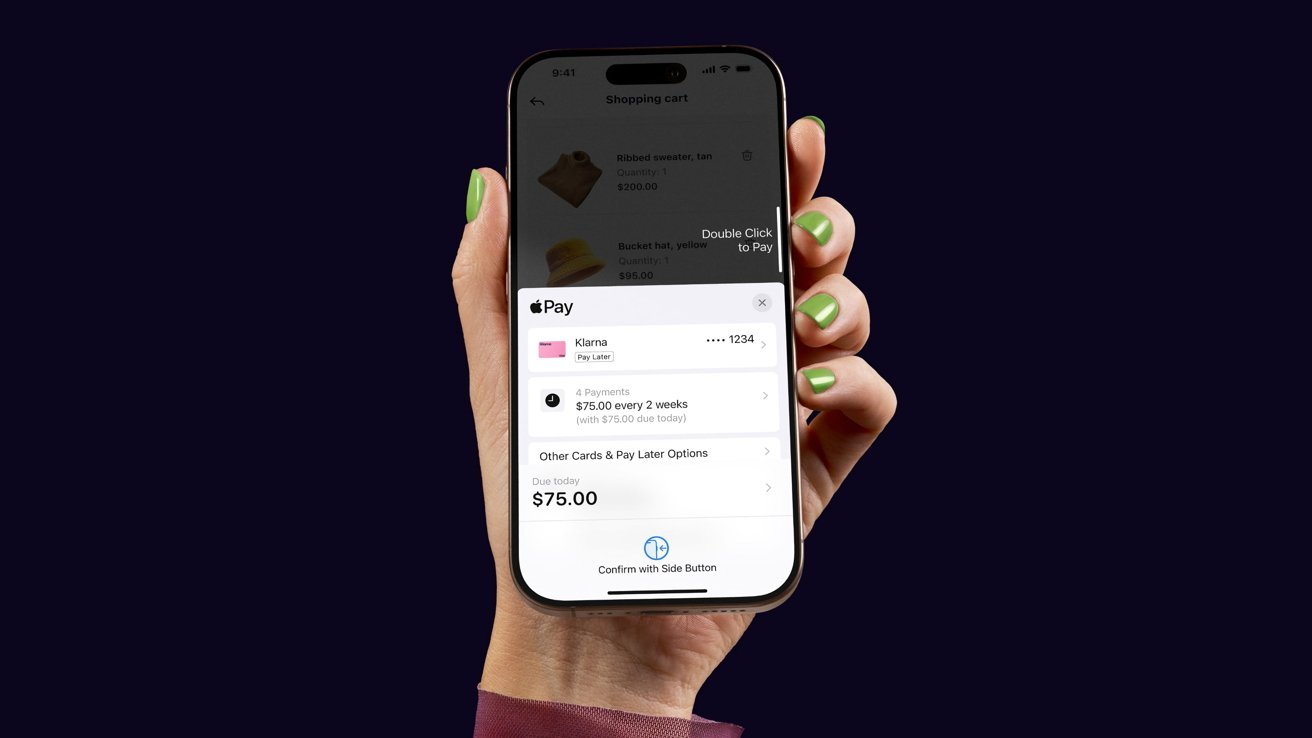
Apple is reportedly preparing one of its biggest changes to device financing in years: a new lease-to-own programme called Apple Upgrade, backed by Klarna, that would cover iPhones, Macs, iPads and Apple Watches.
TechCrunch reported that Apple Upgrade is expected to launch in the United States on July 28. The Verge also reported that the programme will work more like a device lease, letting customers pay monthly, upgrade early or return devices at the end of the term.
The programme reportedly uses Klarna for financing, requires a soft credit check and offers 24-month terms for iPhones and Apple Watches, with 36-month terms for Macs and iPads. It is also expected to replace Apple’s existing iPhone Upgrade Program and standard Apple financing options in the U.S.
Apple has a pricing problem. Premium devices keep getting more expensive, memory costs are high, and consumers are keeping phones and laptops longer. A lease-style programme helps Apple soften the sticker shock without cutting headline prices.
That matters because Apple’s business depends not only on selling hardware, but on keeping users inside its ecosystem. A customer who upgrades regularly is more likely to buy AppleCare, iCloud, accessories, apps, services and future devices. Monthly payments make that cycle easier to maintain.
This also follows Apple’s broader push to weave AI and services more deeply into its devices. The recent Apple Live Notes test at Genius Bar appointments showed how Apple is using software and AI inside its retail/service experience. Apple Upgrade would attack the commercial side of the same ecosystem.
For Klarna, this would be a major validation. The buy-now-pay-later company has been trying to move beyond checkout buttons into larger financial relationships with major retailers and device makers. Apple is one of the strongest consumer brands in the world, and a partnership around hardware leasing would put Klarna deeper into mainstream device ownership.
The deal also shows how consumer finance is changing. Instead of paying once for a phone or laptop, buyers increasingly think in monthly payments, upgrade windows, trade-ins and subscriptions. Apple is not inventing that behaviour, but it may make it feel more normal for premium computing devices.
There is a risk, however. Lease-style programmes can make expensive products feel cheaper than they really are. Consumers will need clear terms around total cost, early upgrades, returns, damage, AppleCare and what happens at the end of the term.
One notable reported detail is that Apple Upgrade may not automatically include AppleCare. That would be a meaningful difference from the older iPhone Upgrade Program, where AppleCare was part of the package.
If AppleCare becomes an add-on, monthly payments may look lower at first but become more expensive once protection is included. For a leased or frequently upgraded device, damage coverage matters because customers may be responsible for return condition.
Apple will have to make the economics simple. If buyers need a spreadsheet to understand whether Apple Upgrade is cheaper than buying, financing or trading in, the programme could create confusion instead of loyalty.
Apple Upgrade fits a wider move from ownership to access. Cars, software, phones, cloud storage, entertainment and even productivity tools are increasingly sold as recurring payments. Apple is now reportedly applying that logic more broadly to its core hardware.
For Apple, the upside is predictable revenue and faster refresh cycles. For customers, the upside is lower upfront cost and easier upgrades. The downside is that people may remain in permanent payment relationships for devices they never fully own in the traditional sense.
If the programme launches as reported, Apple will be testing whether its customers are ready to treat iPhones, Macs and iPads less like purchases and more like managed subscriptions. That could become a major new retail model for the company.
Related Reading
More contextual TechBooky stories selected from tags, categories and article context.
Paul Femi Balo is the founder and publisher of TechBooky. He covers artificial intelligence, African technology, digital infrastructure, enterprise technology and the global digital economy.
We use cookies to ensure that we give you the best experience on our website. If you continue to use this site we will assume that you are happy with it.