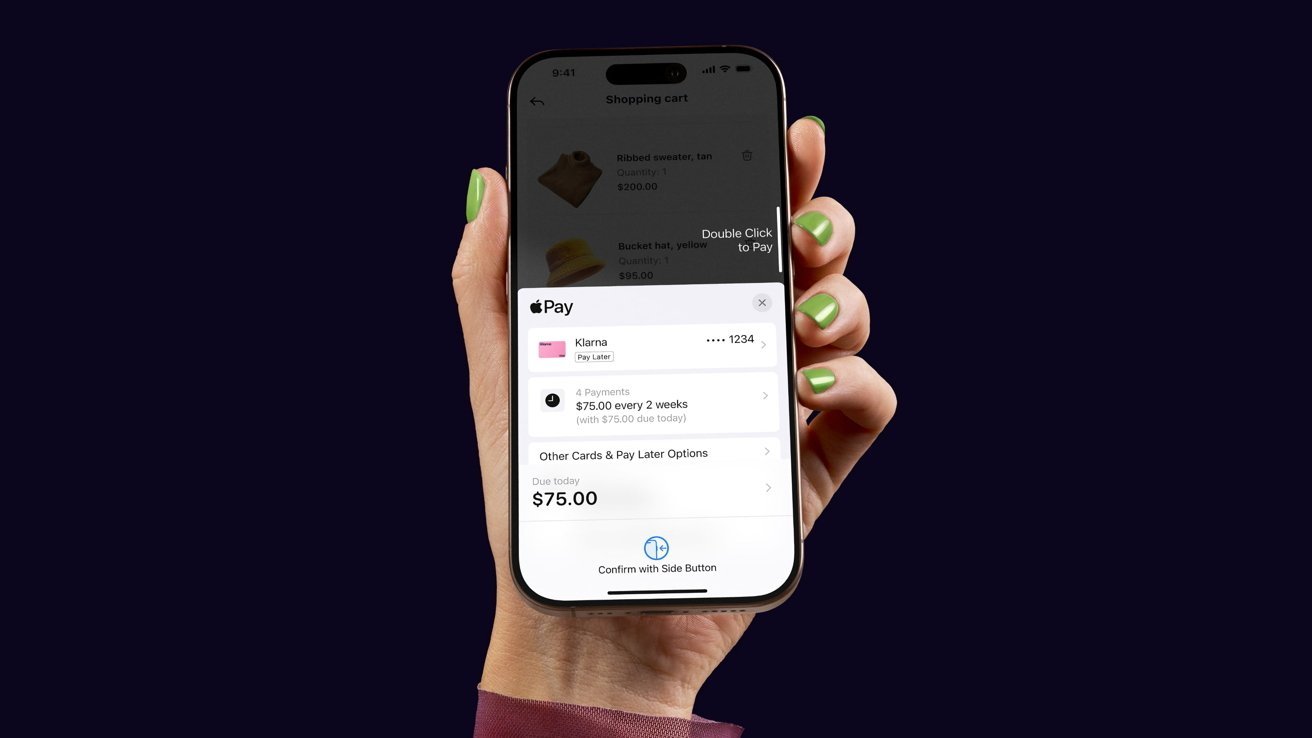
Apple has launched Apple Upgrade, a new device leasing programme that makes the iPhone, iPad, Mac and Apple Watch feel more like cars than traditional consumer electronics. The idea is simple. Instead of buying a device outright or financing it to own, customers can lease Apple hardware for a monthly payment, then return it, upgrade it or buy it at the end of the term.
The programme is available in the United States from today and is backed by Klarna. Lease terms run for 24 months on iPhones and Apple Watches, and 36 months on Macs and iPads. Prices start at $17.99 per month for the iPhone 17e, $11.99 for the Apple Watch Series 11, $24.99 for the MacBook Air and $11.99 for the iPad Air. AppleCare is not included in the base lease.
This replaces Apple’s old iPhone Upgrade Programme with something broader and more flexible. That matters because Apple is dealing with two pressures at once. Devices are getting more expensive, partly because memory and storage costs have risen with AI demand, while customers are holding on to phones and laptops for longer. Leasing gives Apple a way to make the monthly price look friendlier without lowering the sticker price.
The Wall Street Journal reported that customers can return, upgrade or buy the device at the end of the lease. Business Insider noted that the approach comes after recent Apple price hikes and a market where many users are stretching upgrade cycles. That is the real business logic. If people will not replace devices as often, Apple can at least change how they pay for them.
The Klarna partnership is also worth watching. Apple has spent years building more of the purchase experience inside its own ecosystem, from Apple Card to Apple Pay and retail financing. Bringing Klarna into this programme shows that Apple still wants outside financing infrastructure when it helps move hardware. Klarna gets a major Apple distribution channel. Apple gets a smoother monthly-payment story across more devices.
There are tradeoffs for users. A lower monthly payment can feel attractive, but leasing is not the same as ownership. Customers need to understand end-of-term costs, device condition requirements, upgrade options and what happens if payments fall behind. The Verge also reported that iOS 27 beta code points to possible app restrictions on financed devices for users who miss payments. That is the kind of detail that can make a cheap monthly plan feel much less simple.
For Apple, this is less about inventing a new product than adjusting to a tougher hardware market. The company wants users to stay inside the ecosystem even when prices climb and upgrades feel less urgent. Apple Upgrade gives it another lever. Whether customers see it as flexibility or another subscription creeping into their lives will depend on how clearly Apple explains the fine print.
Related Reading
More contextual TechBooky stories selected from tags, categories and article context.
Paul Balo is the founder of TechBooky and a highly skilled wireless communications professional with a strong background in cloud computing, offering extensive experience in designing, implementing, and managing wireless communication systems.
We use cookies to ensure that we give you the best experience on our website. If you continue to use this site we will assume that you are happy with it.