Chinese artificial intelligence companies are seeking to reserve Nvidia-powered computing capacity at data centres outside China, according to a Reuters report published on 12 November. The reported scramble is driven by concern that Washington could tighten the rules on remote access to advanced American chips. It is not evidence that the US has already imposed a new ban on overseas cloud rentals.
Reuters cited three people familiar with the matter. They said a major Chinese cloud provider had discussed locking in capacity overseas, while other companies had approached data-centre operators. Smaller AI laboratories were also considering rented computing power in Southeast Asia. Reuters did not name the companies or establish that those discussions had turned into signed contracts, so the size and timing of any reservations remain unclear.
Export controls restrict shipments of certain advanced AI processors to China. Renting time on chips located abroad is different from importing the hardware. A developer can, in principle, run training or inference workloads over a network while the processors remain in another country. That distinction has made the location of a server, the identity of its customer and the nature of remote access central questions in the technology contest between Washington and Beijing.
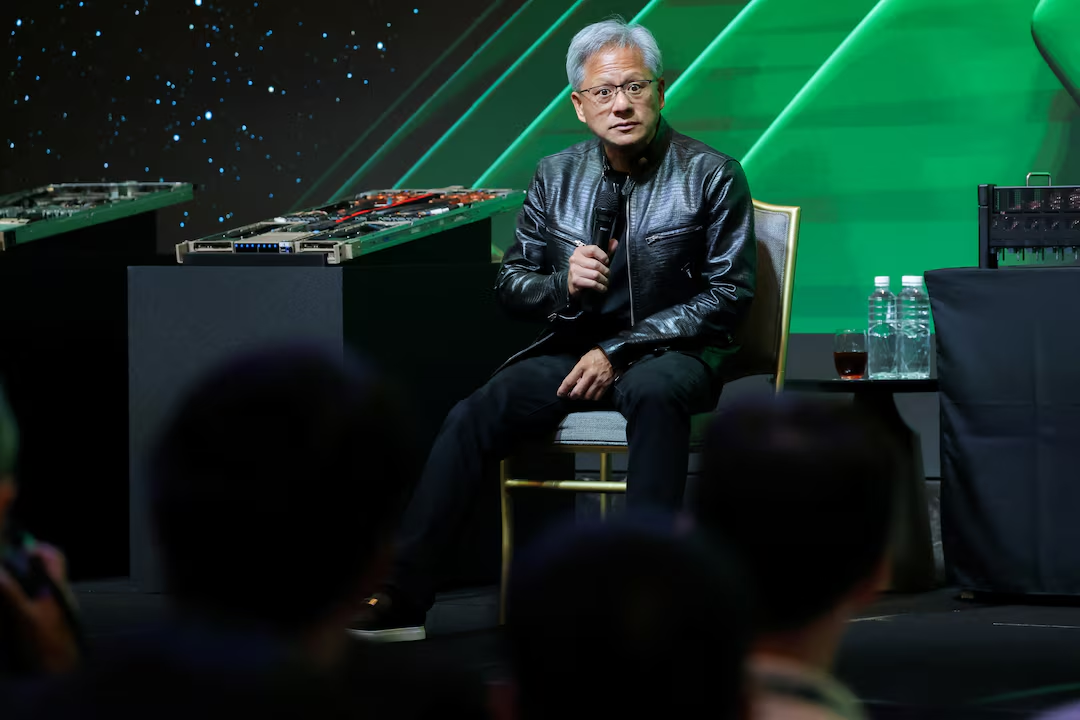
The prospect of tighter rules is now influencing commercial decisions, according to the Reuters sources. They linked the urgency to political scrutiny surrounding Nvidia chief executive Jensen Huang and to a US legislative proposal known as the Remote Access Security Act. The House passed that bill by 369 votes to 22 in January. It still requires further legislative action and should not be described as law already governing every overseas cloud contract.
For a cloud provider, advance reservations could secure revenue but also create compliance uncertainty. A customer might be based in one jurisdiction, use a reseller in another and run workloads in a third. Any future rule would need to clarify which transactions are covered and how operators verify end users. Companies making long-term capacity commitments today are therefore pricing in a regulatory risk whose final shape is not yet known.
This development goes beyond the earlier debate about chip deliveries into China. TechBooky reported last week on a separate Financial Times account that Nvidia had asked some cloud customers to reduce their exposure to Chinese buyers. Nvidia did not publicly confirm the numerical threshold in that report. Today’s Reuters account concerns Chinese firms’ reported response: trying to secure access to offshore computing before the rules or commercial terms potentially change.
Reuters also reported stockpiling of restricted chips in China’s grey market, citing two people familiar with that activity. That is a separate claim from the overseas rental discussions. Neither report proves that a named company has broken export controls. The same caution applies to the scrutiny around Huang. TechBooky has covered Nvidia’s board review, but the existence of an investigation is not a finding that sensitive information was compromised.
The important question now is whether policymakers extend controls from physical chip shipments to remote use, and whether providers publish clearer customer rules in the meantime. For AI developers, the cost of waiting may be lost access to scarce computing capacity. For regulators, the challenge is to distinguish legitimate cross-border cloud services from transactions that defeat the purpose of export restrictions. The reported rush shows that the market is already reacting before either question has a settled answer.
Related Reading
More contextual TechBooky stories selected from tags, categories and article context.
We use cookies to ensure that we give you the best experience on our website. If you continue to use this site we will assume that you are happy with it.