The US-China AI fight is moving deeper into the data-centre supply chain. After years of export controls focused on advanced chips, Washington is now reportedly looking at one of the smaller but crucial components that help AI systems move data at speed: optical transceivers.
Reuters reported that the Federal Communications Commission is drafting restrictions on US imports of new models of Chinese data-centre components, especially optical transceivers. These devices convert electrical signals into light and back again, allowing servers, switches and storage systems inside large data centres to move huge volumes of data over fibre.
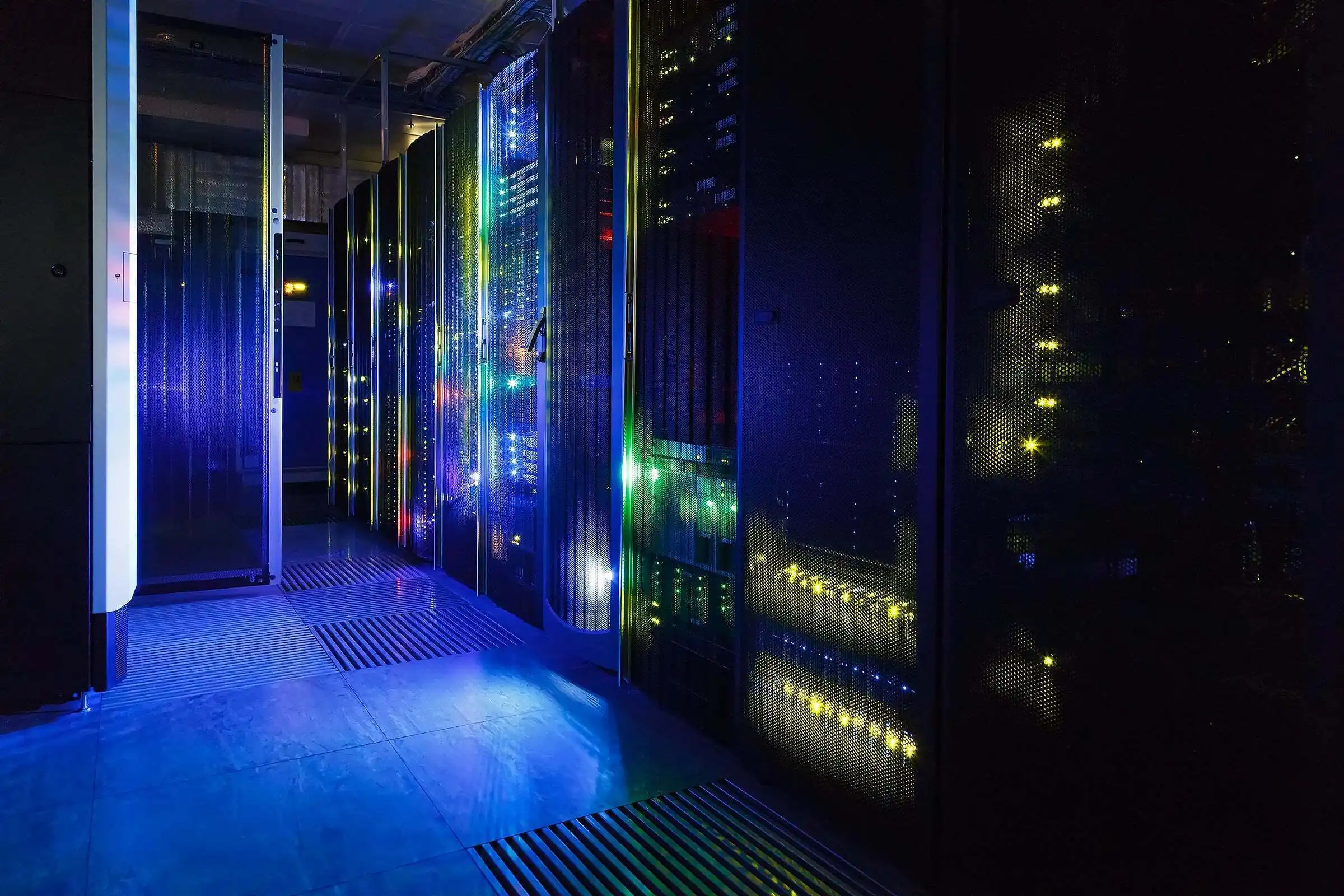
That may sound like a niche hardware story, but it is not. AI data centres depend on extremely fast networking because modern training and inference workloads spread across thousands of GPUs. If chips are the muscle of AI infrastructure, optical networking is part of the nervous system. Slow or compromised data movement can affect the entire machine.
The reported US concern is national security. According to summaries of the Reuters report, officials worry that Chinese components inside AI infrastructure could create risks around data theft, malware installation or service disruption. The proposal would reportedly target new models rather than require immediate removal of already deployed equipment.
Markets reacted quickly. The Financial Times reported that shares of Chinese AI hardware suppliers including Zhongji Innolight and Eoptolink fell after the Reuters report, while US optical-networking names such as Marvell, Coherent and Lumentum gained on expectations that restrictions could shift demand toward non-Chinese suppliers.
This is the next logical stage of the AI infrastructure war. The first fight was over GPUs and advanced semiconductor manufacturing. Then it widened into cloud access, chip smuggling, export licences and model controls. Now it is moving into racks, switches, optics, cables and the pieces that make data centres work at scale.
The risk for US cloud providers is cost and supply disruption. Chinese companies are major players in optical modules, and hyperscalers have built supply chains around price, scale and availability. Replacing suppliers is possible, but it can raise costs and create bottlenecks at the exact moment everyone is trying to build AI capacity faster.
China will not see this as a simple security measure. It will read it as another attempt to slow Chinese AI infrastructure and protect US suppliers. That could accelerate China push for self-reliance in optical networking, data-centre hardware and AI chips. In the long run, both sides may end up with more separate supply chains, not more secure shared ones.
If the FCC move becomes final, the story will not end with Chinese optics. It will invite a wider audit of every component inside AI infrastructure. The AI race is no longer only about who can build the smartest model. It is also about whose hardware sits inside the buildings that run it.
Related Reading
More contextual TechBooky stories selected from tags, categories and article context.
Paul Balo is the founder of TechBooky and a highly skilled wireless communications professional with a strong background in cloud computing, offering extensive experience in designing, implementing, and managing wireless communication systems.
We use cookies to ensure that we give you the best experience on our website. If you continue to use this site we will assume that you are happy with it.