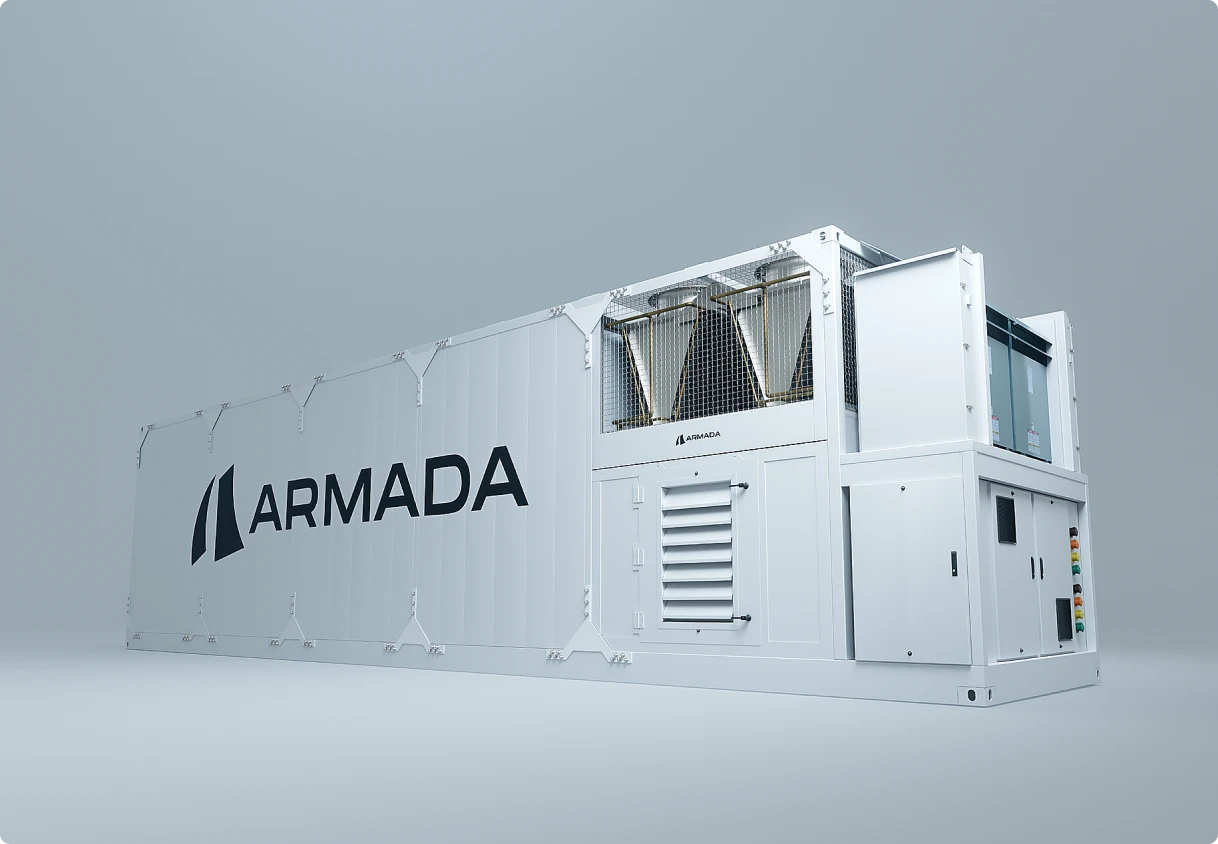
Dell Technologies and Armada have signed a memorandum of understanding to develop mobile and edge data-centre infrastructure in Saudi Arabia, a move that fits neatly into the wider AI infrastructure boom. TradeArabia reported that the companies plan to deliver containerised mobile and edge data-centre solutions for localised computing and edge AI.
The idea is different from the huge hyperscale campuses that dominate AI headlines. Mobile edge data centres are smaller, movable or modular systems that can be placed closer to users, industrial sites, public services or remote operations. That makes them useful where latency, data locality or deployment speed matters more than building one giant facility.
Saudi Arabia is a natural market for this kind of partnership. The country is investing heavily in AI, cloud, smart cities, logistics, energy and industrial digitisation. Some of those workloads will sit in conventional cloud regions. Others may need compute closer to factories, ports, oil and gas operations, government sites or remote communities.
That is why edge infrastructure deserves more attention. The AI story is often told through chips and frontier models, but deployment will depend on where compute actually lives. Broadcom’s custom AI chip surge shows demand at the silicon layer, while South Africa’s data-centre backlash shows the local pressure that comes when infrastructure becomes physical.
Mobile edge systems can offer a middle path. They may reduce latency, support local data processing and help organisations deploy digital services faster. They can also serve industries that cannot wait for full data-centre campuses or do not want every workload travelling back to a distant cloud region.
But edge data centres also carry their own questions. They still need power, cooling, connectivity, physical security and maintenance. If they are deployed across multiple sites, operators must manage resilience and cybersecurity carefully. Smaller infrastructure does not automatically mean simpler infrastructure.
The partnership also points to a regional race. Gulf countries are trying to become AI and cloud hubs, while African markets are still debating how to build enough data-centre and cloud capacity for local needs. We have argued that data-centre expansion is ultimately a trust problem because communities need to understand the costs and benefits before projects scale.
Dell and Armada’s Saudi plan is therefore more than a vendor agreement. It shows how AI infrastructure is becoming modular, regional and closer to the edge. The future of AI will not be powered only by massive campuses. Some of it will run in smaller, distributed facilities placed wherever the work needs to happen.
Related Reading
More contextual TechBooky stories selected from tags, categories and article context.
Paul Femi Balo is the founder and publisher of TechBooky. He covers artificial intelligence, African technology, digital infrastructure, enterprise technology and the global digital economy.
We use cookies to ensure that we give you the best experience on our website. If you continue to use this site we will assume that you are happy with it.