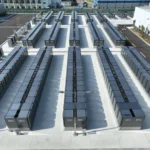
The artificial intelligence industry has spent years asking how quickly it can build more data centres. Google, Nvidia and Emerald AI are now asking a different question. What if those facilities could adjust their behaviour to fit the electricity grid?
The companies have launched the AI Energy Management Alliance, bringing Anthropic, utilities and power producers into an effort to make AI infrastructure a more flexible electricity customer.
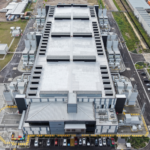
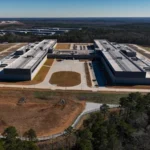
Modern data centres normally request large, continuous power connections. That leaves utilities planning for peak demand even when some computing jobs could be paused or moved. The alliance wants operators to delay non-critical training tasks, shift workloads between locations and reduce consumption briefly when the grid is strained.
Some services, including live search and customer-facing inference, need immediate responses. Other jobs are less urgent. A model-training run or batch-processing task may tolerate a short delay without affecting users. Emerald AI wants software to identify that flexibility automatically.
Supporters argue that demand response could allow far more computing capacity to connect without waiting years for new transmission lines and power stations. It could also help prevent AI expansion from pushing household electricity prices higher.
The proposal does not eliminate the industry’s energy problem. AI companies will still require enormous amounts of generation, substations and cooling. It also raises difficult questions about whether utilities should reward some of the world’s richest companies for consuming power more intelligently.
Still, the alliance marks an important change in tone. The sector is beginning to acknowledge that securing chips is only half of the infrastructure race. Electricity has become the harder constraint.
For countries considering new AI hubs, including those across Africa, flexible computing could make projects easier to integrate with weaker grids. But the technology must not become an excuse to approve facilities whose basic power and water demands remain unsustainable.
Related Reading
More contextual TechBooky stories selected from tags, categories and article context.
Paul Balo is the founder of TechBooky and a highly skilled wireless communications professional with a strong background in cloud computing, offering extensive experience in designing, implementing, and managing wireless communication systems.
We use cookies to ensure that we give you the best experience on our website. If you continue to use this site we will assume that you are happy with it.