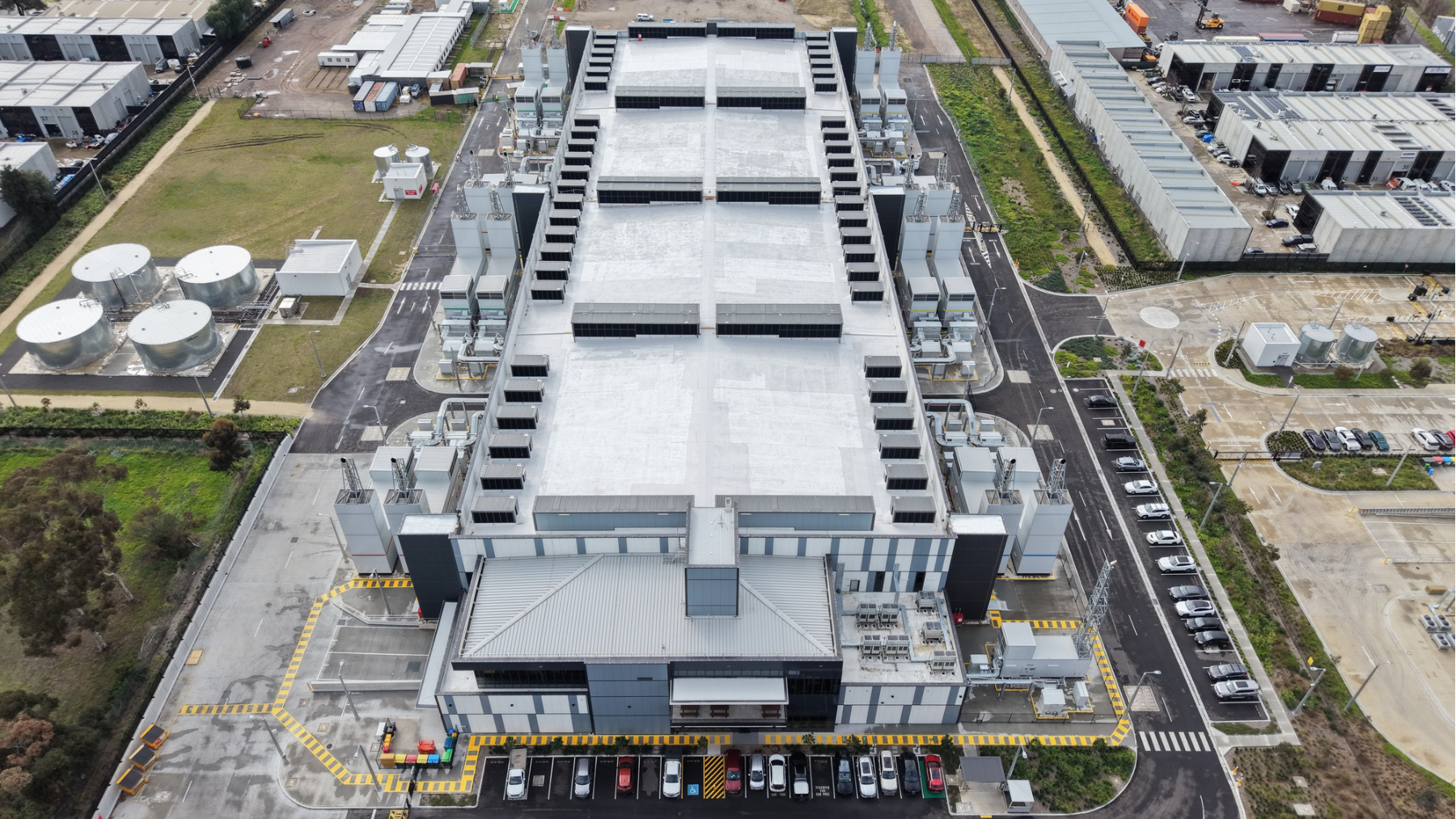
The AI compute boom is beginning to look like a natural gas story as much as a chip story.
New analysis highlighted by TechCrunch says US data centres could consume more natural gas than Germany and Japan combined by 2035 if current buildout plans continue. That projection fits a wider warning from the International Energy Agency, which has said natural gas and coal together may meet more than 40 percent of additional electricity demand from data centres until 2030. Global Energy Monitor has also tracked a sharp rise in US gas-fired power proposals tied to data centres.
The numbers are striking because the AI industry often talks about compute in terms of chips, model size and benchmarks. But every model run depends on electricity, cooling, backup power and grid capacity. As data centre projects grow, the question is no longer only whether Nvidia can supply enough GPUs. It is whether the energy system can feed the AI boom without pushing emissions and local pollution higher.
Data centre operators are trying everything at once. Some are signing renewable power deals. Some are looking at nuclear. Some are building or supporting new gas generation. Some are pushing for faster grid connections. The problem is speed. AI demand is growing faster than many clean-energy and transmission projects can be built, and gas plants can look like the easiest way to fill the gap.
That creates a political problem. Communities near data centres may face higher power demand, more backup generators, water pressure and air-quality concerns. TechBooky recently wrote about how AI data centre pollution is putting the compute boom on trial. The gas forecast makes the same point from another angle. AI is digital, but its infrastructure is very physical.
For Africa, the lesson is immediate. Countries that want to host cloud and AI infrastructure will need realistic power plans. A data centre can support fintech, media, healthcare, government services and local AI development. But without reliable and cleaner electricity, the same project can become a grid burden.
The future of AI will therefore depend not only on model labs and chip companies, but also on utilities, regulators, local communities and energy investors. The industry can call its products intelligent, but the energy bill will be very real.
Related Reading
More contextual TechBooky stories selected from tags, categories and article context.
Paul Balo is the founder of TechBooky and a highly skilled wireless communications professional with a strong background in cloud computing, offering extensive experience in designing, implementing, and managing wireless communication systems.
We use cookies to ensure that we give you the best experience on our website. If you continue to use this site we will assume that you are happy with it.