Egypt has moved from setting ambitions for its startup economy to detailing how it intends to carry them out. In an October 24 update, the Ministry of Planning, Economic Development and International Cooperation described an executive plan built around clearer eligibility rules, easier access to support and a financing structure for young companies. The announcement matters because a national startup strategy is only useful when founders can actually navigate it.
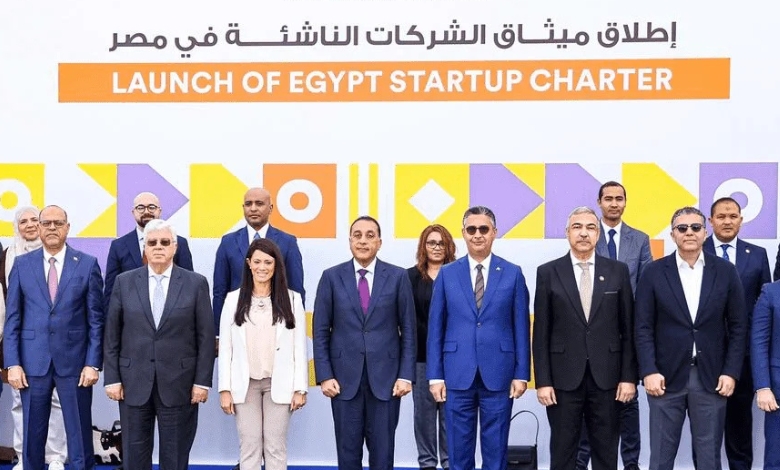
The plan follows Egypt’s Startup Charter, which set out an ambition to support 5,000 startups and attract $5 billion in venture capital over five years. Those are targets from the earlier charter, not new funding commitments announced this week. The fresh development is the government’s attempt to spell out the machinery that might make some of those goals achievable.
One part of the executive plan is a unified definition of a startup. That sounds bureaucratic, but it can determine whether a company qualifies for tax incentives, financing programmes or faster regulatory treatment. Without common criteria, founders can face different answers from different agencies. A shared definition should make the route clearer, although its value will depend on how consistently officials apply it.
The ministry also points to better coordination among public bodies and a route from regulatory sandboxes to full licences, working with the central bank and other supervisors. Sandboxes let companies test a service under oversight. They are useful only if successful experiments have a realistic path into the market. That issue is especially important for fintech businesses handling payments, lending or customer data.
The government says it is developing a joint investment fund through NI Capital and the National Investment Bank, alongside the charter’s wider goal of mobilising $1 billion in unified financing. The ministry has not presented that target as cash already disbursed. Investors will want to see the fund’s size, governance, investment terms and first transactions before judging whether the plan changes access to capital.
Egypt already has a deep pool of founders and a large domestic market, but companies still face a difficult transition from early growth to durable revenue. The prospect of an eventual public-market exit is also part of that story. TechBooky recently examined how MNT-Halan’s listing ambitions could test investor appetite for African fintech. A healthier pipeline of startups needs more than seed cheques. It needs regulation that companies can understand, customers they can reach and capital available through later stages.
There is reason to watch the executive plan closely, but also reason to keep the language precise. The five-year figures are aspirations, and the newly outlined mechanisms are not proof that the targets will be met. The clearest signs of progress will be published eligibility rules, operational licensing pathways and investments that founders can actually access.
Related Reading
More contextual TechBooky stories selected from tags, categories and article context.
Paul Femi Balo is the founder and publisher of TechBooky. He covers artificial intelligence, African technology, digital infrastructure, enterprise technology and the global digital economy.
We use cookies to ensure that we give you the best experience on our website. If you continue to use this site we will assume that you are happy with it.